

Story Highlights
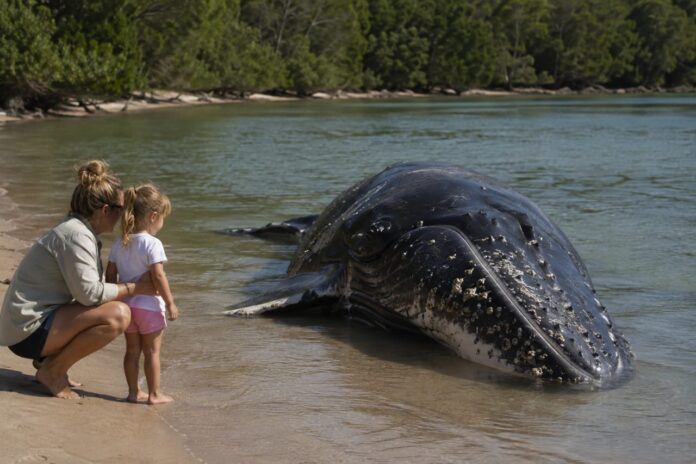
- A young girl and her mother discovered a humpback whale stranded at Wathumba Creek in K’gari, Queensland
- The whale self-released on the afternoon of Sunday, August 9, according to authorities
- Queensland Department of the Environment, Tourism, Science and Innovation emphasized the importance of reporting such incidents immediately
- Officials urged the public not to touch, interfere with, or approach stranded marine animals
What Happened
A child and her mother came across a humpback whale that had become stranded at Wathumba Creek in K’gari, Queensland, Australia. The discovery highlighted how everyday citizens can play a critical role in marine wildlife incidents. The presence of the whale in the shallow creek waters triggered concern for the animal’s wellbeing, prompting appropriate action from those who encountered it.
According to the Queensland Department of the Environment, Tourism, Science and Innovation, the whale successfully self-released itself on the afternoon of Sunday, August 9. The animal’s ability to free itself without external intervention represented a positive outcome in what could have become a more serious situation requiring professional rescue operations. The incident underscored the unpredictable nature of marine animal behavior and the importance of community vigilance in coastal areas.
- Location: Wathumba Creek in K’gari, Queensland, Australia
- Species: Humpback whale
- Date of self-release: Sunday afternoon, August 9
- Reporting authority: Queensland Department of the Environment, Tourism, Science and Innovation
Why It Matters
The incident demonstrates the critical role that alert citizens and families play in marine conservation and animal welfare. Stranded marine mammals face serious health risks, including dehydration, injury from shallow water navigation, and predation. When such incidents occur, rapid reporting to proper authorities can mean the difference between a successful outcome and a tragic one. The young girl’s discovery and her family’s appropriate response illustrate how ordinary people contribute to wildlife protection efforts.
Government agencies emphasize that public awareness and correct reporting procedures are essential components of marine mammal protection infrastructure. The Queensland Department of the Environment, Tourism, Science and Innovation stressed that citizens should avoid direct contact with stranded animals, as well-intentioned but improper intervention can cause additional stress or injury. This educational message reaches beyond this single incident to establish standards for how communities should respond to similar situations in the future.
Marine strandings occur with some regularity in Australian waters, particularly along Queensland’s coastline. Each incident provides opportunities to reinforce safety protocols and demonstrate why quick reporting matters. The successful self-release in this case may have been aided by the timely notification of relevant authorities, who could monitor the situation and prepare intervention if necessary.
- Stranded marine animals face immediate health and survival risks without proper intervention
- Public reports enable rapid response from trained wildlife professionals
- Improper handling by untrained individuals can harm animals and endanger people
- Community awareness contributes to broader marine conservation goals in the region
Political and Public Context
Australia has a well-established framework for responding to marine animal incidents, with various state and federal agencies sharing responsibility for wildlife protection. The Queensland Department of the Environment, Tourism, Science and Innovation maintains protocols and staffing dedicated to marine mammal strandings. These agencies work continuously to educate the public about proper procedures when encountering stranded wildlife.
Humpback whales, while generally robust marine mammals, remain protected species in Australian waters. Their migration patterns bring them through Queensland waters seasonally, increasing the likelihood of occasional strandings. The presence of whales in Australian coastal regions reflects the broader health of ocean ecosystems and the success of international conservation efforts that have allowed some whale populations to recover from near-extinction.
Public education campaigns by environmental departments regularly emphasize the importance of reporting marine incidents without attempting rescue or interference. These initiatives aim to combine citizen engagement with professional expertise, recognizing that while the public’s role in detection is invaluable, the actual management of stranded animals requires specialized training and equipment. The incident at Wathumba Creek exemplifies how this cooperative approach functions in practice.
- Queensland maintains dedicated marine wildlife response capabilities through its Environment Department
- Humpback whales are protected species with seasonal presence in Australian waters
- Public education emphasizes reporting without intervention as the appropriate response
- Marine strandings occur periodically along the Queensland coast throughout the year
A young girl found a stranded humpback on a Queensland beach. After the tide rose, the whale freed itself and swam away. An encouraging example of persistence and natural recovery, highlighting the ocean’s resilience and the coast’s watchful care. https://t.co/Fya0VdDw0z pic.twitter.com/xukNoqQ5SS
— Drew Grimaldi (@Grimillionaire) August 11, 2026
What Happens Next
The successful resolution of this particular incident does not eliminate the need for continued vigilance along Queensland’s coastlines. Authorities will continue monitoring marine areas for additional stranding reports and maintaining readiness to respond. The incident serves as a reminder to coastal communities about the importance of awareness and the simple but critical step of reporting unusual wildlife encounters to appropriate agencies.
Ongoing education efforts by the Queensland Department of the Environment, Tourism, Science and Innovation will likely incorporate aspects of this incident into their public messaging. Such real-world examples help communicate the proper procedures more effectively than abstract guidelines. Future coastal residents and visitors will benefit from understanding how to respond appropriately should they encounter similar situations.
The recovered whale presumably continued its migration or local movement patterns following its self-release. Marine scientists continue studying humpback whale behavior, including the factors that contribute to stranding incidents and the conditions that allow successful self-release. Data from individual incidents contributes to broader understanding of whale population health and coastal environmental conditions.
- Continued public awareness campaigns by Queensland authorities regarding marine wildlife reporting
- Ongoing monitoring of coastal areas for additional marine mammal incidents
- Scientific documentation and study of stranding events and outcomes
- Regular review and updating of emergency response protocols based on field experience
