

Story Highlights
- President Trump dismissed Canadian criticism as bluster while asserting U.S. economic superiority in ongoing trade disputes
- Ontario Premier Doug Ford and Canadian leadership launched sharp rhetorical attacks over failed trade negotiations and tariff policies
- The White House administration responded with unified messaging about America’s indispensable role in continental security and prosperity
- Trade tensions have escalated dramatically as Canada prepares strategic economic countermeasures against American interests
What Happened
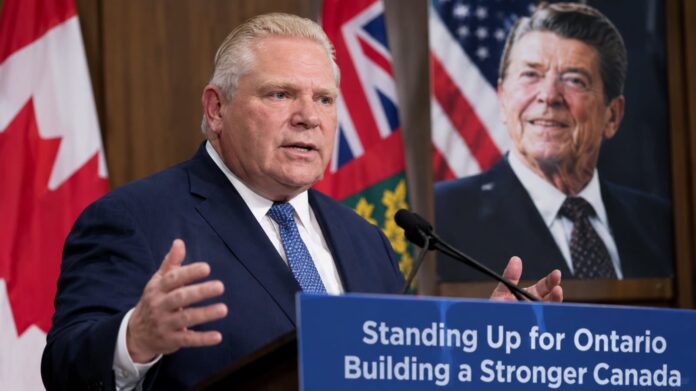
Trade negotiations between the United States and Canada collapsed over the weekend following what Canadian leadership characterized as unreasonable American demands. The dispute prompted Ontario Premier Doug Ford to launch a public confrontation with the president, invoking Ronald Reagan and suggesting the former president would disapprove of current trade policies. Ford’s remarks were notably aggressive, indicating that Canadian provinces were preparing unified economic resistance and suggesting targeted measures against Republican-leaning states.
President Trump responded swiftly through his Truth Social platform, characterizing Ford’s comments as bluster and reiterating fundamental economic realities. His administration demonstrated unified resolve, with Vice President J.D. Vance and Transportation Secretary Sean Duffy following with their own statements defending American negotiating positions and highlighting the security and economic advantages the United States provides to its northern neighbor.
- Canadian Prime Minister Mark Carney declared negotiations had failed due to U.S. demands deemed unreasonable
- Ontario Premier Doug Ford publicly criticized Trump’s trade approach and threatened targeted economic measures
- President Trump responded by emphasizing American economic strength and Canada’s dependence on U.S. markets
- Senior administration officials including the vice president and transportation secretary reinforced the White House position
Why It Matters
The escalating rhetoric and failed negotiations represent a critical moment in North American trade relations and demonstrate the president’s willingness to challenge longtime trading partners on terms he views as unfavorable to American interests. His administration’s positioning reflects a broader strategic approach to trade policy that prioritizes protecting American workers and businesses. The Canadian response, while aggressive in tone, ultimately underscores the economic leverage the United States maintains in continental affairs—a reality that shapes the fundamental dynamics of any negotiation between the two nations.
The collapse of trade talks and subsequent public conflict reveal deep disagreements about the structure of North American commerce and security arrangements. The White House position that America provides essential security guarantees while subsidizing Canadian prosperity through trade access represents a significant challenge to long-standing assumptions about integrated continental economics. Canadian leaders clearly feel pressured by the administration’s willingness to use tariffs and trade access as negotiating tools, suggesting these disputes will fundamentally reshape how business occurs between the countries.
- American workers and manufacturers benefit from the administration’s hardline approach to unfavorable trade terms
- Canadian provinces and businesses face significant economic consequences from escalating tariff policies and trade restrictions
- The dispute demonstrates that traditional alliance relationships no longer shield trading partners from rigorous American economic demands
- Future trade agreements will likely reflect the president’s insistence on terms that explicitly benefit American interests
Political and Public Context
This confrontation occurs within the broader context of the president’s long-standing skepticism toward existing trade agreements and his campaign promises to renegotiate or withdraw from arrangements he views as disadvantageous to American workers. His administration has made trade policy a centerpiece of its economic agenda, moving away from decades of relatively hands-off approaches to tariffs and trade negotiations. The confrontation with Canadian leadership reflects this fundamental shift in how American administrations approach commercial relationships.
Canadian political leadership has struggled to respond effectively to the administration’s negotiating approach, which combines economic pressure with unconventional rhetoric. The references to annexation, though presented in a somewhat joking manner, carry real weight when coupled with serious tariff threats and failed negotiations. Canadian provincial leaders like Ford appear increasingly frustrated by what they perceive as unpredictable negotiating tactics, yet the underlying economic realities—America’s size, market importance, and security role—constrain Canada’s actual leverage in these disputes.
- The president’s trade policies reflect campaign commitments to prioritize American manufacturing and worker interests
- Previous administrations maintained more cautious approaches to tariffs despite similar concerns about trade imbalances
- Canadian political figures have limited effective responses to American economic pressure given continental interdependencies
- The dispute illustrates broader shifts in how the United States approaches traditional alliance relationships through economic means
Trump says Canada wants “benefits” of being US state after trade talks collapse. Canada’s PM said he was reluctantly announcing retaliatory tariffs and accused the US of starting a trade war. https://t.co/eNJiI3XN51 pic.twitter.com/THavqnVRiV
— Drew Grimaldi (@Grimillionaire) August 24, 2026
What Happens Next
Negotiations appear likely to resume, though the current trajectory suggests they will occur from a position of acknowledged American advantage. The president’s clear messaging that the United States will not accept what his administration views as unfair terms sets expectations for future discussions. Canadian leadership will need to determine whether they can negotiate better terms or whether they must accept restrictions on their access to American markets—a difficult political situation domestically.
The administration’s unified messaging through multiple cabinet officials indicates sustained commitment to the current negotiating position. This consistency suggests the White House believes it maintains superior leverage and is willing to maintain economic pressure until Canadian leadership accepts revised terms of trade and economic cooperation. How Canadian politics respond to these pressures, and whether new leadership might adopt different negotiating strategies, will shape the timeline for any resolution.
- Trade talks are expected to resume, with American negotiators maintaining their current demand structure
- Canadian political leadership must decide between accepting revised terms or escalating the economic conflict
- The administration’s unified messaging suggests sustained application of tariff pressure as a negotiating strategy
- Resolution will likely result in new trade arrangements that explicitly reflect American competitive and security interests
