

Story Highlights
- President Trump suggests a strategic approach to Iran’s oil, drawing parallels with the U.S. oil deal in Venezuela.
- The president believes maintaining a presence in Iran could stabilize oil prices and benefit the U.S. economy.
- Trump’s comments reflect a proactive stance on energy security amid rising tensions in the region.
- His administration’s previous success with Venezuela’s oil deal serves as a model for future actions.
What Happened
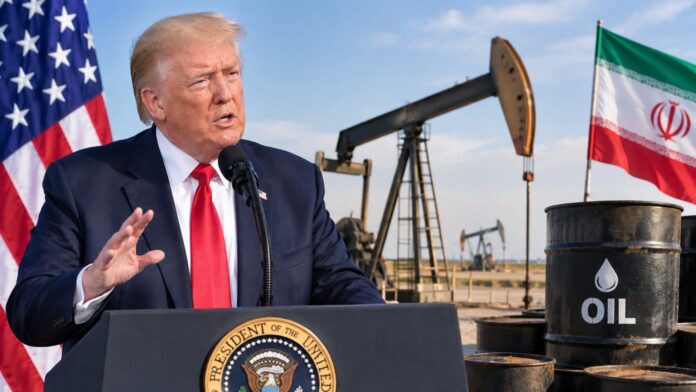
President Trump recently made headlines during a visit to Doonbeg, Ireland, where he proposed that the United States could ‘stay and keep the oil’ in Iran, likening this strategy to the successful oil deal his administration struck with Venezuela. This bold assertion comes at a time when tensions in the Middle East are escalating, and the global oil market is feeling the pressure from various geopolitical conflicts. The president expressed confidence that the ongoing conflict with Iran would conclude after the upcoming midterm elections, suggesting that the Iranian regime is eager to negotiate a deal. He stated, ‘We’ll ultimately get out unless we decide to stay and keep the oil, like Venezuela.’ This statement underscores a significant shift in the U.S. approach to foreign oil resources, particularly in volatile regions.
Trump’s remarks have sparked discussions among policymakers and analysts regarding the implications of such a strategy. The idea of maintaining a U.S. presence in Iran to secure oil resources raises questions about the potential for military involvement and the long-term consequences for U.S. foreign policy. As the situation develops, the administration’s approach to Iran’s oil could have far-reaching effects on both domestic energy prices and international relations.
- Trump made the comments while in Doonbeg, Ireland, on a recent Sunday.
- He indicated that the Iranian regime is actively seeking a deal.
- Previously, he mentioned the conflict would end after the midterms during a press briefing at Joint Base Andrews.
- The Trump administration successfully negotiated a deal with Venezuela for oil procurement.
Why It Matters
The implications of President Trump’s proposal are profound, particularly in the context of U.S. energy security and economic stability. By suggesting that the U.S. could maintain a presence in Iran to secure oil resources, he is advocating for a strategy that could potentially lower domestic fuel prices and reduce reliance on foreign oil imports. This approach not only aims to stabilize the U.S. economy but also positions the country as a dominant player in the global oil market. The president’s comments reflect a broader understanding of the interconnectedness of energy security and national security. As tensions rise in the Middle East, controlling oil resources could serve as a strategic advantage for the United States.
Moreover, the potential economic benefits of such a strategy could resonate with American voters, especially as they face rising fuel costs. The administration’s focus on energy independence aligns with broader national interests, making this proposal a significant talking point as the midterm elections approach.
- Lower oil prices could lead to reduced costs for consumers and businesses in the U.S.
- Maintaining a presence in Iran could deter adversaries and enhance U.S. geopolitical influence.
- The strategy may encourage investment in U.S. energy infrastructure and technology.
- It could lead to a more stable and predictable global oil market.
Political and Public Context
To fully grasp the significance of Trump’s proposal, it is essential to consider the historical context of U.S. involvement in foreign oil markets. The Trump administration’s previous success with Venezuela serves as a critical reference point. In 2022, the U.S. struck a deal with North American Blue Energy Partners, allowing the purchase of 20 percent of Venezuela’s oil production. This agreement was designed to bolster U.S. energy supplies while simultaneously supporting the Venezuelan economy. The strategic development of oilfields in Venezuela, as outlined by interim President Delcy Rodríguez, aimed for a production target of over 1.5 million barrels per day. This context highlights the potential for similar agreements with Iran, which could reshape the energy landscape in the region.
Additionally, the political ramifications of Trump’s comments cannot be overlooked. As the midterm elections draw near, energy policy is likely to be a key issue for voters. The administration’s stance on Iran’s oil could influence public perception and voter sentiment, particularly among those concerned about rising gas prices and energy security.
- The U.S. has a history of negotiating oil deals with foreign nations to secure energy resources.
- Venezuela’s oil deal serves as a model for potential agreements with Iran.
- The Iranian regime’s desire for economic relief may facilitate negotiations.
- Rising gas prices in the U.S. have prompted discussions about energy independence and security.
President Donald Trump suggested on Sunday the United States could stay in Iran and "keep the oil," drawing a parallel with a U.S. push to take control of a fifth of Venezuela's vast oil reserves. https://t.co/R6HIPxhzuC
— NEWSMAX (@NEWSMAX) September 14, 2026
What Happens Next
Looking ahead, the future of U.S. oil strategy in Iran remains uncertain but filled with potential. As the midterm elections approach, the political landscape may influence the administration’s decisions regarding foreign oil resources. If the conflict with Iran does indeed conclude as Trump predicts, the U.S. could find itself in a position to negotiate favorable terms for oil access. The administration’s focus on energy independence and security will likely continue to shape its foreign policy agenda. Additionally, the potential for new investments in energy infrastructure could emerge as a priority, further solidifying the U.S. position in the global oil market.
In the coming months, it will be crucial to monitor developments in both the Iranian conflict and the U.S. political landscape. The administration’s actions regarding Iran’s oil could set a precedent for future foreign policy decisions and impact the global energy market significantly.
- Negotiations with Iran could begin if the conflict subsides post-midterms.
- Investment in U.S. energy infrastructure may increase as a result of new oil agreements.
- The administration will likely continue to advocate for energy independence.
- Future developments in the Middle East will impact U.S. oil strategy.
