

Story Highlights
- The Trump administration allowed a temporary Russian oil sanctions waiver to expire without renewal.
- The waiver had been used to stabilize global oil markets during the Iran crisis and Strait of Hormuz disruption.
- Trump signaled at the G7 summit that renewed pressure on Moscow is likely as energy markets begin to settle.
What Happened
The U.S. Treasury Department allowed a temporary waiver tied to Russian seaborne oil purchases to expire on June 17, marking a shift back toward stronger sanctions pressure on Moscow.
The waiver had been issued in 30-day increments after the Iran war disrupted global oil flows and pushed energy prices higher. The Trump administration had argued that the limited authorization was needed to prevent a sharper global supply shock while the Strait of Hormuz remained unstable.
- The waiver expired without a new extension.
- The administration linked the decision to improving oil market conditions.
- Trump said the U.S. would soon be able to increase pressure on Russia again.
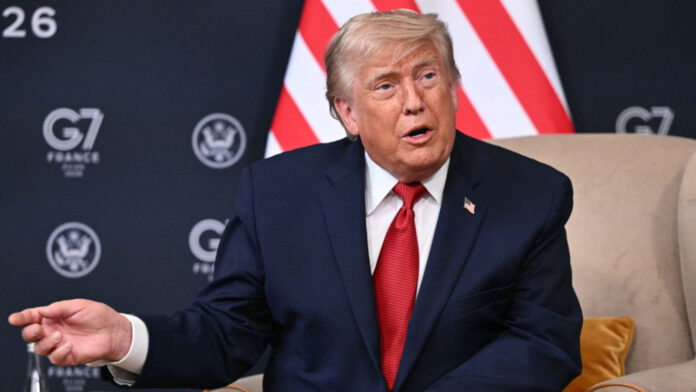
At the G7 summit in France, President Donald Trump said the United States would be in a stronger position to resume tougher sanctions because oil was beginning to flow again. His comments suggested that the administration sees the Iran framework agreement as giving Washington more room to act against Russia without causing another spike in fuel prices.
Treasury officials had previously described the waiver as temporary and targeted, not as a softening of U.S. policy toward Moscow. The decision to let it expire gives Trump a chance to argue that he protected American consumers during a crisis while keeping the door open to renewed pressure on Russia once energy conditions improved.
Why It Matters
The move matters because it places Russia and Ukraine back near the center of U.S. foreign policy after months in which the Iran conflict and oil market instability dominated Washington’s attention.
For Trump, the decision allows the White House to close a difficult political gap. The administration had faced criticism from lawmakers who argued that Russian oil waivers gave Moscow additional revenue while its war in Ukraine continued.
By allowing the waiver to expire, Trump is signaling that the temporary energy-market strategy is ending and that Moscow should expect renewed economic pressure.
- Ukraine and its supporters had urged the administration not to extend the waiver again.
- Lawmakers warned that Russian oil revenue could support continued attacks on Ukraine.
- The decision strengthens Trump’s position ahead of any new Russia sanctions package.
The timing is also important. If the Strait of Hormuz remains open and oil prices continue easing, the White House may have more flexibility to tighten enforcement against Russian energy exports without placing heavy new pressure on American drivers.
Political and Public Context
Trump’s handling of the waiver reflects a practical balancing act between foreign policy pressure and domestic economic concerns.
During the Iran crisis, the administration prioritized keeping fuel markets from becoming even more unstable. That decision drew criticism, but Trump allies are likely to argue that it prevented a deeper energy shock while the White House worked to reopen the Strait of Hormuz.
Now that the administration believes oil flows are stabilizing, Trump is moving back toward a tougher Russia posture. That approach allows him to tell voters he protected household costs first, then restored pressure on Moscow when conditions allowed.
- Republicans can frame the move as a return to strength after a temporary emergency measure.
- Democrats may continue pressing for faster and broader sanctions enforcement.
- Ukraine supporters will watch whether the expiration is followed by concrete action.
The G7 setting also gave Trump a platform to show coordination with allies. The United Kingdom has separately moved against Russia’s shadow fleet, and other Western governments are under pressure to reduce Moscow’s ability to profit from oil and gas exports.
What Happens Next
The key question now is whether the waiver’s expiration will be followed by a broader sanctions push.
Russia has built alternate shipping networks and shadow fleet routes to move oil despite Western restrictions. That means any renewed pressure will depend on enforcement, coordination among allies, and the willingness of governments to target shipping, insurance, financing, and buyers connected to Russian exports.
For Ukraine, the move is a positive signal, but not a complete solution. Kyiv has repeatedly argued that sanctions must be paired with military support, air defense systems, and continued diplomatic pressure.
- The Treasury Department may announce further enforcement actions.
- G7 allies could coordinate additional restrictions on Russian energy revenue.
- Oil prices will remain a major factor in how aggressively Washington moves.
If energy markets remain stable, Trump will have more room to make sanctions against Russia a central part of his foreign policy message. If prices rise again, the White House may face renewed pressure to balance sanctions policy against domestic affordability concerns.
