

Story Highlights
- San Francisco has filed a lawsuit against Trump Media & Technology Group over its Truth API service.
- The lawsuit claims the service violates California’s Unfair Competition Law.
- Critics argue that the service creates an uneven playing field for investors.
- Supporters assert that it enhances market transparency and competition.
What Happened
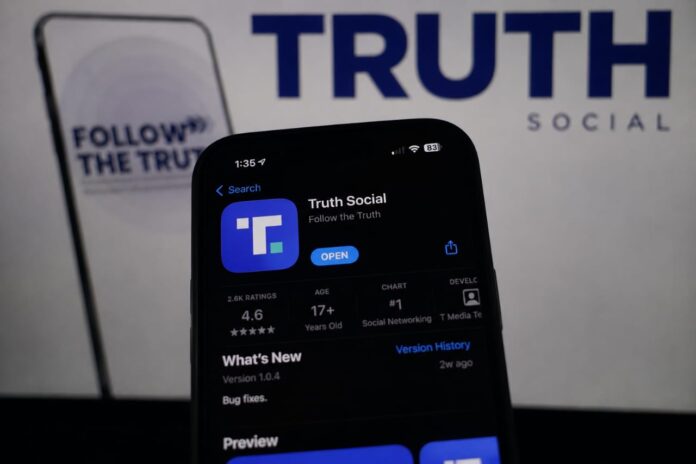
On Monday, the city of San Francisco took a significant legal step by suing Trump Media & Technology Group (TMTG), the parent company of Truth Social. The lawsuit centers around the company’s Truth API service, which allows subscribers to gain early access to posts made by President Trump for a hefty fee of $100,000. This service has raised eyebrows and sparked controversy, as it is perceived to monetize government information in a way that could disadvantage everyday investors.
City Attorney David Chiu has been vocal about the implications of this service, arguing that it violates California’s Unfair Competition Law, which is designed to prevent insider trading. The lawsuit alleges that TMTG’s pricing structure for early access to posts creates a scenario where wealthy investors can gain insights into market-moving information before it is available to the general public. This, Chiu argues, places everyday investors at a significant disadvantage.
- San Francisco filed the lawsuit on October 16, 2023.
- David Chiu is the City Attorney leading the case.
- The lawsuit targets the Truth API service, which was announced in July 2023.
- The service allows subscribers to pay for early access to posts from President Trump.
Why It Matters
The implications of this lawsuit extend far beyond the courtroom. It raises critical questions about the ethics of monetizing government information and the potential for creating an uneven playing field in the investment landscape. Critics of the Truth API service argue that it represents a troubling trend where access to information is commodified, favoring those with deep pockets over the average investor. This could lead to a market environment where financial success is determined not by merit or strategy, but by one’s ability to pay for privileged information.
Supporters of the Truth API, however, contend that it promotes transparency and competition in the market. By providing real-time access to posts from high-ranking Truth Social accounts, they argue that it levels the playing field for investors who are willing to pay for timely information. This perspective suggests that the service could enhance market efficiency by allowing investors to make informed decisions based on the latest developments.
- The lawsuit could set a precedent for how government information is accessed and monetized.
- Everyday investors may face increased challenges in competing with wealthy firms.
- The outcome could influence future regulations regarding information access in financial markets.
- Potential civil penalties could impact TMTG’s operations and financial viability.
Political and Public Context
This lawsuit is not an isolated incident but part of a broader conversation about the intersection of technology, finance, and ethics. The rise of social media platforms has transformed how information is disseminated, and the Truth API service is a prime example of this evolution. The ability to monetize posts from a former president raises ethical concerns that have not been adequately addressed in existing regulations.
Moreover, the backlash against the Truth API has garnered bipartisan criticism, with lawmakers from both sides of the aisle expressing concerns about the implications of such a service. Senator Bill Cassidy, a Republican from Louisiana, has publicly condemned the plan, labeling it as a form of ‘buying access.’ Similarly, Senator Lisa Murkowski from Alaska has voiced her apprehensions about the potential for market manipulation through the sale of privileged information.
- The Truth API was announced in July 2023, highlighting the growing trend of monetizing social media content.
- Criticism from bipartisan lawmakers indicates widespread concern about the ethical implications of the service.
- The lawsuit reflects ongoing tensions between technology companies and regulatory bodies.
- Previous cases of insider trading have shaped the legal landscape surrounding information access in financial markets.
San Francisco sues over delayed Trump social media postshttps://t.co/9fTU4OKGqg
— The Hill (@thehill) September 22, 2026
What Happens Next
The future of the Truth API and its implications for the investment landscape remain uncertain. As the lawsuit unfolds, it will be crucial to monitor the legal arguments presented by both sides. The outcome could have far-reaching consequences for how information is accessed and utilized in financial markets, particularly regarding government-related content.
Additionally, the lawsuit may prompt lawmakers to reevaluate existing regulations surrounding information access and insider trading. If the court rules in favor of San Francisco, it could lead to stricter guidelines for how companies like TMTG operate and monetize information. Conversely, a ruling in favor of TMTG could embolden other companies to explore similar monetization strategies, potentially exacerbating the issues raised by critics.
- The court proceedings will determine the legality of the Truth API service.
- Lawmakers may introduce new regulations based on the lawsuit’s outcome.
- Investors will need to adapt to any changes in the market landscape resulting from the ruling.
- The case could influence public perception of the ethics of monetizing government information.
