

Story Highlights
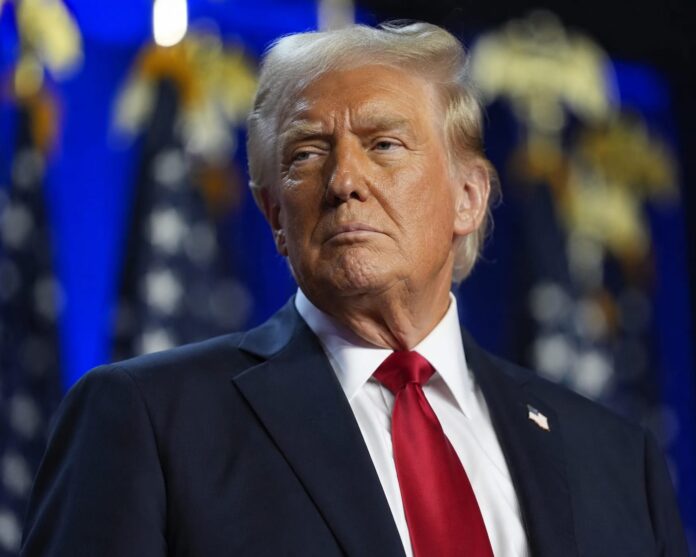
- Quebec governing party leader Christine Fréchette launched her election campaign by positioning the U.S. president as her primary political opponent amid trade tensions
- The Coalition Avenir Québec leader, who took control of the party in April, faces her first electoral test as party leader in October
- Trade disputes between Washington and Ottawa have intensified following failed negotiations and reciprocal tariff implementations
- Canadian sovereignty and protection of provincial economic interests have become central themes in Quebec’s election cycle
What Happened
Quebec’s governing party leader launched her election campaign Thursday by identifying the U.S. president as a primary adversary facing the province. Fréchette, who leads the right-leaning Coalition Avenir Québec, characterized the current trade tensions between the U.S. and Canada as a defining challenge requiring strong provincial leadership. Her campaign messaging emphasized the need for Quebec to navigate through economic uncertainty created by escalating tariff disputes between the nations.
The timing of this campaign launch coincided with additional pressure from Washington, as the administration signed an executive order Thursday changing the name of Lake Ontario to Lake America. This action represented the latest development in the contentious trade relationship following unsuccessful negotiation attempts between the countries.
- Fréchette took over the CAQ in April following former Premier François Legault’s departure
- The October provincial election will mark her first major electoral contest as party leader
- Lake Ontario was renamed to Lake America through executive order on the day of her campaign launch
- Tariff disputes have escalated significantly in recent months with reciprocal trade measures implemented by both nations
Why It Matters
Quebec’s economy faces genuine challenges from the trade conflict between North America’s largest trading partners. When tariffs reach 50 percent on substantial volumes of Canadian imports, the ripple effects extend throughout provincial supply chains, manufacturing sectors, and labor markets. Fréchette’s campaign strategy reflects a recognition that voters care deeply about economic stability and job security. By framing trade policy as a central election issue, she positions her administration as the entity best equipped to protect Quebec’s business interests and workers during this turbulent period.
The emphasis on provincial sovereignty and economic protection resonates with Quebec’s traditional independence-minded electorate. The trade conflict has elevated discussions about Canadian autonomy and provincial authority to manage economic relationships. This dynamic particularly matters in a province with a distinct political culture and ongoing tensions regarding national identity. The election outcome will determine which political approach Quebec voters favor as they confront external economic pressures.
- Trade tariffs directly impact Quebec manufacturers, exporters, and workers dependent on cross-border commerce
- Provincial economic uncertainty influences business investment decisions and job creation prospects
- Voter concerns about sovereignty and protection of Quebec interests are heightened during trade disputes
- Election results will shape Quebec’s approach to federal-provincial coordination on trade matters for the next term
Political and Public Context
The trade relationship between the U.S. and Canada has deteriorated markedly following failed negotiation attempts. Ottawa withdrew from discussions and subsequently faced steep tariffs on Canadian exports worth $20 billion. In response, Canadian leadership implemented reciprocal dollar-for-dollar tariffs effective September 8. The administration then escalated further by imposing additional tariffs on Canadian automobiles scheduled to take effect January 1. This tit-for-tat pattern has created genuine economic anxiety across Canadian provinces and territories.
Quebec’s political landscape has been shaped by these developments in ways that extend beyond traditional partisan divisions. The Parti Québécois leader, Paul St-Pierre Plamondon, challenged Fréchette’s framing by arguing that trade disputes should not overshadow domestic policy debates central to Quebec’s future. His resistance to making external trade conflicts the centerpiece of campaign discourse reflects different strategic calculations about which issues resonate most powerfully with voters. The broader Canadian conversation about national independence has intensified following statements about territorial absorption, making questions of sovereignty particularly salient in Quebec’s distinct political context.
- Canada implemented reciprocal tariffs in September after negotiations failed and U.S. tariffs were imposed
- Additional tariffs on automobiles are scheduled to begin January 1, escalating trade tensions further
- Discussions of Canadian sovereignty have intensified amid external political pressure
- Opposition parties within Quebec offer alternative approaches to managing trade relationship challenges
Quebec governing party: Trump is ‘real adversary’https://t.co/8lBAxUSE4D
— The Hill (@thehill) August 29, 2026
What Happens Next
The Quebec election scheduled for October will determine whether voters prioritize the economic management approach advocated by the incumbent Coalition Avenir Québec or prefer alternative strategies offered by opposition parties. The outcome will shape provincial policy responses to federal trade negotiations and economic planning over the next electoral term. Regional economic data in coming weeks may influence voter calculations about which leadership team can better protect Quebec’s interests during continued trade uncertainty.
Meanwhile, the bilateral trade relationship remains in active flux. The automobile tariff implementation scheduled for January 1 represents a critical decision point that could either escalate tensions further or potentially prompt renewed negotiation efforts. Quebec’s provincial government will need to coordinate with federal authorities regardless of election outcomes, as provincial economies cannot be isolated from national trade policy decisions. The province’s next leadership team will inherit whatever trade environment exists following the October election and may need to adapt strategies based on developments between now and then.
- October Quebec election will test voter priorities regarding economic management and trade policy approaches
- January 1 automobile tariff implementation represents a near-term escalation point in trade tensions
- Provincial government coordination with federal authorities on trade matters will continue regardless of election results
- Economic data in coming months may shift voter perceptions about which party can better navigate trade challenges
