

Story Highlights
- Actor Jesse Tyler Ferguson revealed significant pay gaps among Modern Family cast members during the show’s first season based on pre-existing fame
- Ferguson earned between $20,000 and $60,000 per episode initially while veteran actor Ed O’Neill made nearly six figures from the start
- By the final season, Ferguson’s compensation had risen to approximately $500,000 per episode as the show became a major success
- Ferguson discussed the financial challenges of early fame and the importance of renegotiating contracts as circumstances changed
What Happened
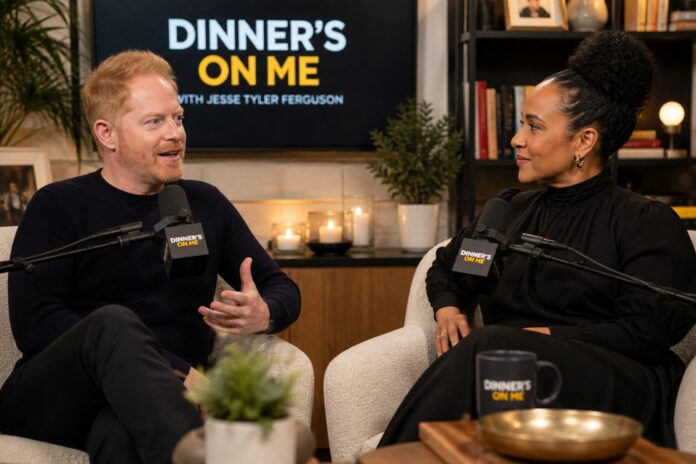
On his podcast Dinner’s On Me, Ferguson discussed his early compensation on the ABC sitcom with Bridgerton star Golda Rosheuvel. Ferguson noted that cast members received different pay scales during the show’s first season based on their existing prominence in the entertainment industry. He explained that while he was part of an ensemble that would become widely recognized, the initial pay structure reflected disparities tied to prior celebrity status rather than equal treatment across the cast.
Ferguson portrayed Mitchell Pritchett alongside Ed O’Neill, Sofía Vergara, Julie Bowen, Ty Burrell, and Eric Stonestreet. O’Neill, who had achieved household-name status from his decade-long role on Married… with Children, commanded significantly higher pay from the show’s inception. According to industry reports, O’Neill earned nearly six figures per episode while other adult cast members made substantially less. Ferguson acknowledged that the financial disparity created an unusual situation where cast members shared equally in the show’s rising success and public recognition while maintaining unequal compensation structures.
As Modern Family progressed through its eleven-season run, the show achieved remarkable ratings success, becoming the highest-rated comedy since Friends and Will & Grace. This dramatic rise in viewership and critical acclaim eventually led to substantial pay increases for Ferguson and other cast members. The actor indicated that renegotiating his contract required confidence and assertiveness, as he initially felt hesitant about requesting significantly higher compensation.
- Ferguson earned between $20,000 and $60,000 per episode in Season 1 while Ed O’Neill made nearly six figures
- By Season 3, Ferguson’s salary reached approximately $65,000 per episode
- By the final 11th season, Ferguson was reportedly earning $500,000 per episode
- Ferguson discussed the podcast with Bridgerton’s Golda Rosheuvel on Dinner’s On Me
Why It Matters
Ferguson’s discussion illuminates persistent wage inequality in television production based on factors beyond performance or contribution to a project’s success. The disparity between what cast members earn highlights how initial market positioning and existing celebrity status can create lasting financial advantages that persist even as project circumstances change dramatically. This pattern reflects broader industry practices where negotiating power correlates directly with pre-existing fame rather than the collective value team members generate.
The actor’s experience raises important questions about fair compensation structures in entertainment. Ferguson noted that while the show’s success brought widespread recognition to all cast members, the financial rewards remained unequally distributed based on starting positions. His eventual renegotiation demonstrated that cast members must actively advocate for themselves rather than relying on automatic adjustments to compensation as projects become more valuable and demanding.
Ferguson’s comments about early challenges maintaining personal safety while still earning modest compensation illustrates how initial pay gaps create compounding difficulties. Actors who become suddenly famous while earning comparatively low salaries may lack resources to manage the unexpected complications of public recognition. The actor’s journey from earning a fraction of what established castmates made to eventually commanding $500,000 per episode shows the eventual trajectory possible for less-established performers, though significant gaps may persist for years.
- Wage disparities based on pre-existing fame rather than performance or contribution affect compensation throughout production runs
- Less-established performers may struggle with safety and security expenses despite sudden public recognition
- Cast members must actively negotiate for increased compensation rather than receiving automatic adjustments
- Initial pay gaps can persist for multiple seasons before renegotiation opportunities arise
Political and Public Context
Ferguson’s disclosure occurs within an entertainment industry increasingly focused on wage equity and fair compensation practices. The past decade has seen growing conversations about pay disparities in television and film production, with performers and industry observers examining how structural inequalities perpetuate based on factors beyond individual talent or contribution. These discussions have contributed to greater transparency about compensation and increased scrutiny of wage-setting practices.
Modern Family itself became a significant case study in successful ensemble television following the massive popularity of Friends. The show demonstrated that ensemble casts could achieve extraordinary ratings and longevity, yet the compensation structure initially reflected outdated assumptions about which cast members carried value. The show’s trajectory from its 2009 premiere to its 2020 finale encompassed significant evolution in industry attitudes toward fair compensation for ensemble performers.
Similar compensation challenges have emerged across high-profile television productions. Bridgerton, the contemporary show Rosheuvel discussed during the podcast conversation, has also faced scrutiny regarding cast compensation amid the series’ massive success. Industry observers have noted that streaming platforms’ compensation practices sometimes lag behind traditional broadcast structures, creating new variations of historical pay-equity problems.
- Entertainment industry increasingly focused on wage equity and compensation transparency
- Ensemble television shows like Modern Family challenged traditional assumptions about cast value and compensation
- Contemporary streaming productions face similar compensation equity challenges
- Ferguson’s experience reflects broader patterns in how starting compensation affects long-term earning potential
The Emmy-nominated actor opened up about not getting paid as much as his “more famous” co-stars, explaining that the gap created “safety” issues.
https://t.co/B6aLB63nd7— Daily Beast's Obsessed (@beastobsessed) August 26, 2026
What Happens Next
Ferguson’s public discussion of pay disparities may contribute to broader industry conversations about standardizing compensation practices for ensemble casts. As performers continue sharing experiences regarding wage inequality, production companies and networks face increased pressure to implement more equitable initial pay structures. Whether these conversations translate into systemic changes across the industry remains to be seen, though awareness among audiences and industry professionals continues growing.
The experiences of both Ferguson and Rosheuvel suggest that compensation equity remains an ongoing challenge even for highly successful productions. Future television projects, particularly ensemble casts that may become massive hits, will likely face scrutiny regarding whether compensation reflects cast members’ actual value and contributions. The conversation Ferguson initiated provides valuable perspective for performers negotiating contracts on new projects, particularly those where some cast members have higher existing prominence than others.
- Industry conversations about standardizing ensemble cast compensation may accelerate
- Performers negotiating contracts for new projects may reference Ferguson’s experience
- Production companies may face increased pressure regarding initial pay structure decisions
- Questions remain about whether systemic changes will emerge across entertainment industry practices
