

Story Highlights
- Israeli Defense Forces Chief of Staff Eyal Zamir reportedly resisted carrying out a military directive from Prime Minister Benjamin Netanyahu regarding unspecified action against Iran over the weekend
- Zamir allegedly requested legal authorization documentation and expressed concerns about potential miscalculation facing Iran ahead of elections
- High-level delegations from Saudi Arabia, Pakistan, and Turkey traveled to Tehran for discussions aimed at managing regional conflict and preventing escalation
- Global oil prices remain elevated, with crude trading near six-month highs and U.S. gas prices continuing above $4 per gallon
What Happened
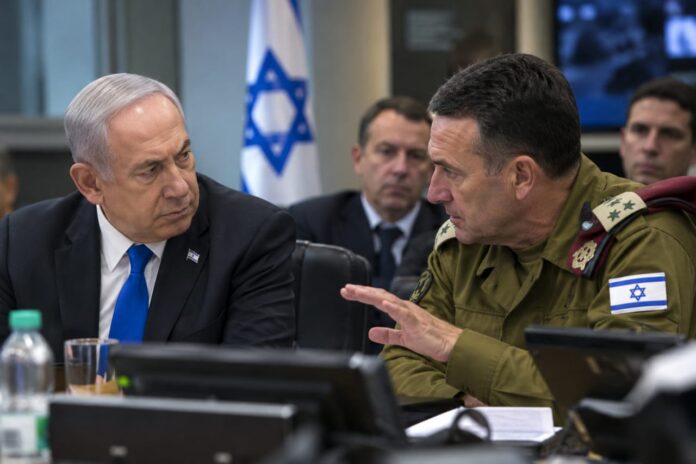
An unprecedented confrontation between Israel’s top military and political leadership occurred over the weekend, according to Israeli media reports. The Israel Defense Forces Chief of Staff reportedly resisted implementing a military directive from the Prime Minister regarding Iran, marking a significant moment of internal disagreement within Israel’s defense establishment. The military chief sought formal legal documentation and proof of authorization before proceeding with the directive, signaling serious procedural and strategic concerns about the proposed action.
Israeli media outlets reported that the military leadership expressed apprehension about the timing and potential consequences of military action in the current political environment. The chief reportedly voiced concerns that decisions made by the political echelon could result in miscalculation when dealing with Iran, particularly given the proximity to upcoming elections. The Prime Minister has denied that such a confrontation took place, creating conflicting accounts of the weekend’s events.
- Unprecedented confrontation reported between Prime Minister Netanyahu and IDF Chief of Staff Eyal Zamir over the weekend
- Military chief requested legal authorization documentation before proceeding with unspecified military directive against Iran
- Concerns raised about potential miscalculation facing Iran near election timeline
- Prime Minister denied the confrontation occurred, creating conflicting narratives
Why It Matters
The reported tension between Israel’s military and political leadership reflects fundamental concerns about decision-making during a politically sensitive period. When top military and civilian officials disagree on major military operations, it raises questions about institutional checks and the proper authorization procedures for significant military actions. The military chief’s insistence on documented legal authorization suggests concerns that political imperatives might be driving military decisions without sufficient procedural safeguards.
The timing of this confrontation, occurring just before elections, adds complexity to Israel’s strategic posture in the region. Military actions undertaken for political reasons rather than purely strategic necessity can have unpredictable consequences, particularly when dealing with a major regional power. The reported concern about miscalculation indicates worry that actions taken in a political context could trigger unintended escalation, with far-reaching consequences for regional stability and beyond.
Beyond Israel’s borders, the situation has broader implications for global energy markets and international stability. Tensions involving Iran directly affect oil prices and energy security for nations worldwide. The reported concerns within Israeli leadership about potential miscalculation suggest awareness of how military actions could disrupt regional equilibrium and create cascading consequences.
- Leadership disagreement raises questions about authorization procedures for major military operations during sensitive political periods
- Potential for military decisions driven by political considerations rather than strategic necessity
- Risk of regional escalation with consequences for global energy markets and international stability
- Broader implications for how democratic societies manage military decision-making during election cycles
Political and Public Context
Israel faces complex political circumstances as elections approach, with various factions holding different views on military strategy and engagement with Iran. The reported confrontation between the military and political establishments reflects deeper debates within Israeli society about the proper approach to regional security threats. Military leaders traditionally emphasize operational and strategic considerations, while political leaders must balance security concerns with domestic political pressures and international relations.
Meanwhile, regional diplomatic efforts are underway to manage tensions and prevent escalation. High-level delegations from Saudi Arabia, Pakistan, and Turkey—members of the newly-formed Mecca Pact—traveled to Tehran this week for unusually intensive discussions with Iranian counterparts. These talks are believed focused on managing the ongoing conflict in Yemen and preventing renewed escalation of broader Iran-related conflicts. The simultaneous occurrence of these diplomatic efforts and the reported Israeli leadership confrontation suggests the region is in a delicate phase with multiple actors attempting to influence outcomes.
Global energy markets reflect the underlying tensions. Crude oil prices remained trading near six-month highs, while U.S. gasoline prices continued above $4 per gallon and diesel prices exceeded $6 per gallon. These elevated energy costs reflect market anxiety about potential disruptions to oil supply from Middle Eastern conflicts.
- Israeli political leadership divided on military strategy and engagement approach as elections approach
- High-level delegations from Saudi Arabia, Pakistan, and Turkey conducting intensive talks in Tehran focused on conflict management
- Regional diplomatic efforts underway to prevent escalation amid tensions
- Global energy prices elevated due to concerns about Middle Eastern stability and potential supply disruptions
Report: Prime Minister Benjamin Netanyahu and IDF Chief of Staff Eyal Zamir clashed over a military "action" that could renew the conflict with Iran days before Israel's elections.https://t.co/V9khi6R9ci
— The Jerusalem Post (@Jerusalem_Post) October 25, 2026
What Happens Next
The immediate question facing Israeli leadership involves how the military and political establishments will resolve their disagreements over military directives. The military chief’s insistence on proper documentation and authorization suggests that further directives will face similar scrutiny, potentially creating delays or requiring more extensive consensus-building before major operations proceed. How this internal disagreement is managed could set precedents for future civil-military relations within Israel’s defense establishment.
Internationally, the outcome of ongoing diplomatic efforts in Tehran will be significant. If Saudi Arabian, Pakistani, and Turkish delegations successfully negotiate agreements with Iran on managing regional conflicts, it could reduce pressure for unilateral military actions. Conversely, if these talks fail to produce substantive agreements, pressure for military options could increase.
Energy markets will likely remain sensitive to developments in Israeli-Iranian tensions and broader Middle Eastern stability. Any escalation could drive crude prices higher, with corresponding impacts on global fuel prices and economic activity. The coming weeks will be crucial in determining whether political and diplomatic solutions take precedence or whether military options are pursued despite reported institutional reservations.
- Military and political establishments must resolve authorization and procedural disagreements before major operations proceed
- Outcome of high-level Tehran diplomatic talks will influence regional escalation or de-escalation trajectories
- Israeli elections could impact military decision-making timelines and strategic priorities
- Global energy markets will remain sensitive to developments in Israeli-Iranian relations and regional stability assessments