

Story Highlights
- Senator Adam Schiff called for Defense Secretary Pete Hegseth to testify before the Senate regarding Starlink’s service reduction affecting Ukraine’s military operations
- Conflicting narratives have emerged between President Trump and Elon Musk over responsibility for the Starshield slowdown that targeted Ukrainian military drones and aircraft
- Musk indicated Ukraine violated Starlink’s terms of service by using the platform for offensive drone strikes, while Ukrainian President Zelensky suggested the U.S. government directed the restrictions
- The Trump administration has denied ordering any restrictions on Ukraine’s satellite service access
What Happened
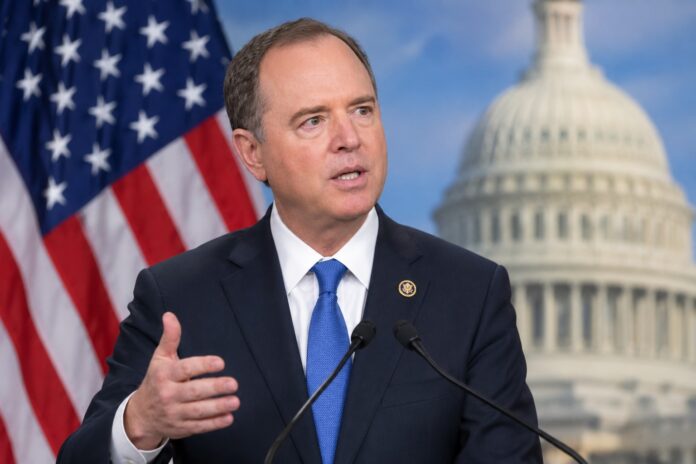
Senator Adam Schiff raised concerns about the reduction in Starlink’s satellite service speeds in Ukraine, which has impacted the country’s military capabilities. During an appearance on NBC News’s Meet the Press, the California Democrat indicated that Defense Secretary Pete Hegseth should face Senate questioning if Democrats regain control of the chamber. Schiff also suggested that anyone with knowledge of the matter should be prepared to provide testimony about the circumstances surrounding the service slowdown.
The incident centers on Starshield, the military version of Starlink operated by SpaceX. Multiple accounts have emerged regarding who initiated the speed restrictions. The Wall Street Journal previously reported that Elon Musk ordered the slowdown, while the Trump administration has denied involvement in limiting Ukraine’s access to satellite services. Secretary of State Marco Rubio has pushed back against reporting suggesting Washington instructed SpaceX to reduce service capabilities.
- Starlink service speeds were reduced for Ukrainian military drones, aircraft, and helicopters traveling faster than 100 mph
- Musk indicated the restriction was imposed due to violation of Starlink’s terms of service by Ukrainian forces using the platform for offensive military operations
- Ukrainian President Volodymyr Zelensky stated his government believed the U.S. government directed SpaceX to implement the speed limitations
- The Trump administration has denied ordering or directing any restrictions on Ukraine’s satellite service capabilities
Why It Matters
The conflicting accounts surrounding the Starlink slowdown raise significant questions about decision-making authority in matters affecting U.S. national security policy toward Ukraine. Schiff highlighted the inconsistencies between Trump’s statements and Musk’s explanations, noting that someone’s account does not align with the facts. The senator suggested that the competing narratives—potentially involving multiple parties providing inaccurate information—demand official clarification through formal congressional inquiry and testimony.
The dispute also touches on a broader concern about private sector influence over American national security interests. The concentration of authority over critical satellite infrastructure in the hands of a single private entity and its leadership has prompted lawmakers to question oversight mechanisms and accountability structures. If restrictions were indeed imposed at the direction of the U.S. government without proper authorization or transparency, such actions could set problematic precedents for how future military support decisions are made and communicated to allies.
- Ukraine’s military operations have been disrupted by limitations on drone and aircraft speeds, potentially affecting defensive capabilities
- The lack of clear accountability regarding who authorized the service restrictions undermines transparency in defense decision-making
- Private sector control over critical military infrastructure raises questions about independence and oversight of national security matters
- Allies like Ukraine face uncertainty about the reliability and stability of satellite services essential to their defense operations
Political and Public Context
The Starlink service reduction incident occurs amid ongoing tensions surrounding the Trump administration’s approach to Ukraine aid and support. Questions about the direction and pace of U.S. assistance to Kyiv have been a point of political contention, with various stakeholders offering different assessments of policy priorities. The administration has maintained its focus on pursuing diplomatic resolutions while continuing to support Ukraine, though the specific mechanisms and limitations of that support remain subjects of debate.
Elon Musk’s significant role in managing critical military infrastructure has drawn increased scrutiny from lawmakers across the political spectrum. The billionaire entrepreneur’s close relationship with Trump administration officials, combined with his operational control over Starlink, has prompted concerns about potential conflicts of interest or undue influence over national security decisions. Previous controversies involving Musk’s statements on Ukraine policy and his business interests have contributed to broader questions about his appropriate role in matters affecting U.S. foreign policy and military capabilities.
- The Trump administration has emphasized diplomatic approaches to the Ukraine conflict while maintaining military support
- Musk has previously made statements regarding Ukraine policy that drew attention from government officials and lawmakers
- Questions about private sector involvement in military operations and infrastructure management have become increasingly prominent in policy discussions
- Congressional Democrats have focused on accountability and transparency regarding defense support decisions affecting allied nations
Sen. Adam Schiff, tells NBC’s “Meet the Press” that Defense Secretary Pete Hegseth should testify before the Senate on the Starlink satellite limitations that disrupted Ukrainian military operations. https://t.co/NL2ZIxXF0N
— NBC News (@NBCNews) October 26, 2026
What Happens Next
The path forward depends largely on the composition of the Senate in coming legislative sessions. Schiff’s call for testimony would require Democratic control of the chamber to advance as a formal proceeding, though individual senators can request briefings from defense officials through other mechanisms. Defense Secretary Hegseth and other administration officials may face continued questioning about the Starlink situation regardless of committee control, as oversight of defense matters remains an ongoing responsibility of Congress.
The administration is likely to continue defending its position that it did not order restrictions on Ukraine’s Starlink access, while potentially clarifying the precise nature of any communications with SpaceX regarding service limitations. Further public statements from Musk or other officials involved could either clarify the sequence of events or deepen the confusion surrounding decision-making authority. The broader question of how private contractors managing critical military infrastructure should be regulated and overseen will likely continue to generate legislative proposals and policy discussions regardless of the immediate resolution of the current Starlink dispute.
- Congressional oversight proceedings could be initiated if Democratic control of the Senate is achieved in future elections
- The administration may provide additional clarifications regarding communications with SpaceX about service limitations
- Regulatory proposals may emerge addressing private sector management of military infrastructure and national security decision-making
- Future questions about Starlink’s role in military operations and the terms governing its use will likely influence U.S. defense policy discussions