

Story Highlights
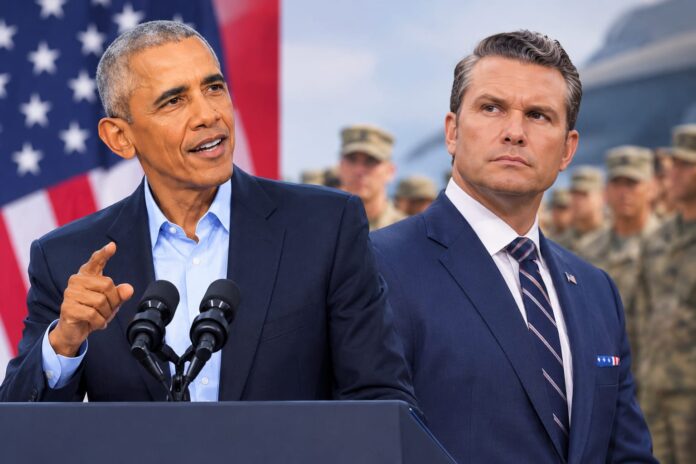
- Former President Obama criticized Defense Secretary Pete Hegseth during a campaign appearance in Cleveland, Ohio, characterizing his focus on soldier appearances and testosterone levels as a distraction from core military priorities
- Hegseth has implemented testosterone screenings for male service members under 30 and has used rhetoric emphasizing warriors over what he characterizes as problematic cultural trends within the military
- Senate Democrats are reportedly considering calls for Hegseth’s removal following the November election as part of broader discussions about Pentagon leadership changes
- The Ohio appearance underscores ongoing Democratic criticism of the Defense Secretary’s management approach and priorities within the Department of Defense
What Happened
During a campaign stop in Cleveland, Ohio on Saturday, former President Obama took direct aim at Defense Secretary Pete Hegseth while campaigning for gubernatorial candidate Amy Acton and Senate candidate Sherrod Brown. The address included pointed commentary on the Defense Secretary’s leadership approach, with Obama suggesting that Hegseth has concentrated excessive attention on matters tangential to core military readiness and operational effectiveness. The former president’s remarks were delivered with humor and sarcasm, characterizing the focus on soldier appearances and physical attributes as a significant distraction from essential defense matters.
Obama’s criticisms centered on Hegseth’s well-documented emphasis on what the Defense Secretary frames as military culture and warrior ethos. The Pentagon leadership has implemented testosterone screening protocols for male service members under 30 years of age and has deployed messaging that contrasts traditional military values against what he describes as problematic cultural influences within the armed forces. During his Ohio remarks, Obama questioned how much time and resources the Defense Secretary dedicates to such initiatives, suggesting this represents a misalignment of priorities within Pentagon operations.
- Campaign event held in Cleveland, Ohio on Saturday
- Obama supported gubernatorial candidate Amy Acton and Senate candidate Sherrod Brown
- Hegseth has mandated testosterone screenings for male service members under age 30
- The Defense Secretary has emphasized warrior culture and military traditionalism in public messaging
Why It Matters
The critique reveals deepening partisan divisions over military leadership philosophy and priorities. Hegseth represents a distinct approach to Pentagon management that emphasizes cultural restoration and what supporters view as reorienting the military toward combat readiness and traditional martial values. Critics, however, contend that this focus diverts attention and resources from substantive defense challenges, including ongoing operations and strategic military posture. The tension between these perspectives has become a notable point of political debate, with Hegseth emerging as a frequent Democratic target precisely because his leadership approach embodies a starkly different vision for military culture and institutional priorities.
The comments also reflect broader concerns within Democratic circles about Pentagon direction under current leadership. Obama was the last Democratic presidential nominee to carry Ohio, winning the state in both 2008 and 2012, and his decision to address Hegseth directly during a campaign appearance signals that Democratic strategists view criticism of the Defense Secretary as resonant with key swing-state voters. The former president’s remarks connect Hegseth’s leadership style to what Democrats characterize as distraction from serious military challenges, particularly regarding conflict management and strategic decision-making.
- Hegseth’s approach reflects a distinct philosophy on military culture versus Democratic priorities on operational readiness
- Democratic strategists view criticism of the Defense Secretary as advantageous in competitive electoral environments, particularly in Ohio
- The debate touches on how Pentagon leadership allocates focus and resources across competing priorities
- Hegseth’s tenure has become a focal point for broader disagreements about military institutional direction
Political and Public Context
Hegseth has faced consistent Democratic opposition since assuming the Defense Secretary position, with criticism primarily centered on his handling of military operations and his cultural messaging within the armed forces. His rhetoric emphasizing warriors over what he terms problematic influences within the military has generated substantial commentary from Democratic leaders and observers who interpret such messaging as divisive or distracting. The Pentagon leadership under Hegseth represents a significant departure from previous defense management philosophies, particularly regarding how military culture and institutional priorities are framed and pursued.
Beyond campaign rhetoric, reports indicate that Senate Democrats are engaging in discussions about potential changes to Pentagon leadership structure following the election cycle. According to sources familiar with Senate deliberations, Democratic lawmakers have floated scenarios in which Hegseth’s position might become subject to negotiation during post-election discussions regarding defense appropriations and related legislative priorities. These discussions reportedly include some Republican willingness to consider Pentagon leadership modifications, suggesting potential bipartisan openness to changes depending on political circumstances and legislative negotiations during the lame-duck congressional session.
- Hegseth has been a frequent Democratic target throughout his tenure as Defense Secretary
- His emphasis on military culture and warrior values contrasts sharply with Democratic priorities
- Ohio remains a pivotal swing state where Democratic messaging may influence electoral outcomes
- Post-election Pentagon leadership discussions reportedly include potential bipartisan considerations regarding Defense Secretary position
Speaking at his first midterm campaign rally Saturday, Obama joked that Trump's renovations have made the White House look “like Saddam Hussein opened up a Cheesecake Factory.”
https://t.co/mo3kBOYEKo— The Daily Beast (@thedailybeast) October 24, 2026
What Happens Next
The trajectory of Pentagon leadership following the election will depend significantly on political outcomes and subsequent congressional negotiations. Democratic leaders have indicated that Hegseth’s position may become subject to discussion during post-election lame-duck sessions when defense appropriations and related matters come under legislative consideration. The president’s public criticism during the campaign underscores Democratic determination to maintain pressure on this issue through the electoral cycle and into potential post-election negotiations.
Whether Hegseth’s tenure continues or faces significant challenges will likely hinge on election results and the subsequent balance of power in Congress. The indication that some Republican lawmakers may be open to Pentagon leadership discussions suggests that these matters are not purely partisan but reflect genuine disagreements about defense management philosophy and institutional priorities. The coming months will clarify whether Obama’s Ohio remarks represent the opening salvo in a broader Democratic campaign to reshape Pentagon leadership or whether post-election political dynamics produce different outcomes regarding the Defense Secretary’s future role.
- Post-election lame-duck session expected to include defense-related negotiations and appropriations discussions
- Democratic leaders indicated potential openness to using Pentagon leadership as negotiating point in broader defense discussions
- Some Republican lawmakers reportedly open to Pentagon leadership changes, suggesting potential bipartisan leverage points
- Election outcomes will significantly influence subsequent negotiations regarding Defense Secretary position and Pentagon direction
