

Story Highlights
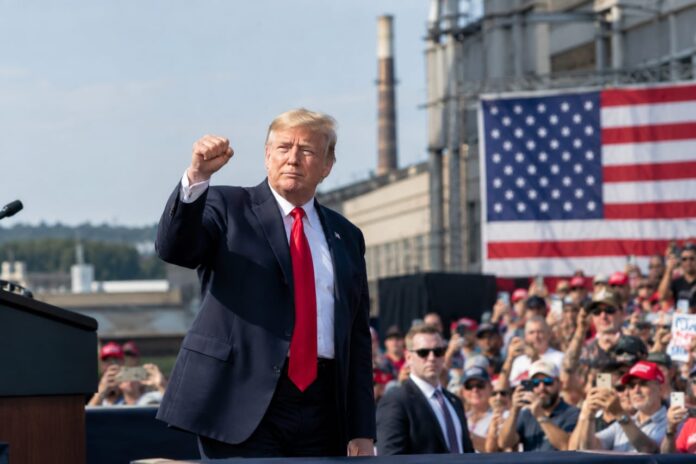
- President Trump is campaigning in Youngstown, Ohio, to support Republican candidates facing competitive races in a key midterm battleground state
- The rally features Senator Jon Husted’s campaign, following Vice President Vance’s recent voter engagement efforts in the state
- Recent polling shows challenging dynamics for GOP candidates, with Husted trailing his Democratic opponent and the gubernatorial race remaining competitive
- The president’s Ohio visit represents part of a broader Republican strategy to defend congressional majorities in the upcoming election cycle
What Happened
The administration’s political operation moved into high gear with a campaign stop in Ohio, underscoring the state’s renewed importance in national Republican strategy. The president’s visit to Youngstown marked the latest in a series of campaign appearances aimed at bolstering GOP prospects across competitive races. This engagement comes as the Republican Party intensifies efforts to maintain control of Congress amid a challenging electoral environment.
The rally brought together key Republican figures and supporters to mobilize voters around the party’s midterm agenda. Vice President Vance had recently conducted his own campaign activities in the Buckeye State, demonstrating the administration’s commitment to securing victories in Ohio races that will significantly impact the national balance of power.
- President Trump campaigned alongside Senator Jon Husted at the Youngstown event scheduled for 7 p.m. EDT
- Vice President Vance had previously rallied Ohio voters in the same timeframe
- The rally addressed two critical Republican races: the Senate seat and gubernatorial contest
- Ohio emerged as an unexpected midterm battleground despite the president’s 11-point victory margin in the 2024 election
Why It Matters
Ohio’s political significance cannot be overstated in the context of Republican midterm strategy. The state has historically served as a bellwether for national political trends, and its competitive dynamics in this cycle reflect broader challenges the GOP faces in maintaining its congressional advantage. The president’s personal involvement in Ohio campaigning demonstrates the stakes involved and the administration’s determination to prevent erosion of Republican strength in traditionally favorable territory.
The competitive nature of Ohio races reveals how the electoral landscape has shifted, requiring maximum effort from party leadership to secure victories that might have seemed more assured in previous cycles. His participation signals to the base and key stakeholders that these contests deserve priority attention and resources. The direct involvement of the president and vice president in Ohio’s races reflects the understanding that Senate and gubernatorial contests carry implications for the broader political agenda the administration hopes to advance.
- Ohio Senate race shows incumbent trailing in recent polling despite favorable historical trends for Republicans
- Gubernatorial contest features narrowing margins that suggest competitive dynamics requiring sustained campaign engagement
- State’s electoral significance as a bellwether makes it crucial for testing messaging and strategy that could apply nationally
- GOP congressional majorities depend partly on success in Senate contests where Republicans face vulnerability in unexpected places
Political and Public Context
The Republican Party faces mounting pressure to defend its congressional majorities as the midterm cycle intensifies. Across red states, the president and other GOP leadership have launched a sustained campaign blitz to energize voters and consolidate support among key constituencies. This strategic approach reflects concern that complacency could undermine Republican prospects even in states that have trended toward the party in recent years.
Ohio’s unexpected emergence as a battleground underscores how competitive the midterm environment has become for Republicans. The state’s status as a historical swing state means that any Democratic gains here would signal broader problems for GOP candidates nationwide. Conversely, strong Republican performance in Ohio could demonstrate that the party’s messaging and ground operation remain effective in persuading voters across diverse demographic and geographic communities.
The involvement of both the president and vice president in Ohio’s races reflects internal campaign assessments about where resources and high-profile attention can make the greatest difference. The party’s leadership recognizes that certain races require the drawing power and influence of top-tier figures to mobilize supporters and attract media attention to Republican messaging priorities.
- GOP faces pressure defending congressional majorities in competitive midterm environment
- President carried Ohio by more than 11 points in 2024, yet Senate and gubernatorial races remain highly competitive
- Multiple high-profile Republican figures are conducting coordinated campaign activities in the state
- Ohio’s role as electoral bellwether makes outcomes there significant for national Republican strategy assessment
The rally attendee said he had come to hear President Donald Trump's "lies and garbage." https://t.co/g6Nt1oZmer
— Newsweek (@Newsweek) October 13, 2026
What Happens Next
The campaign activity in Ohio will likely continue intensifying as the midterm cycle progresses toward election day. The president’s rally represents one point in what is expected to be an extended effort to mobilize Ohio voters and prevent Democratic inroads in races that will shape the balance of power in Washington. Additional high-profile campaign stops by administration figures and other GOP leaders should be anticipated as the party works to capitalize on voter enthusiasm and concern about Democratic governance.
The competitive dynamics in Ohio’s Senate and gubernatorial races will likely serve as important indicators for both parties regarding the effectiveness of their respective strategies. Republican performance in these contests will inform how the party allocates resources and messaging emphasis in other competitive states. The outcomes in Ohio races could also influence donor confidence and volunteer engagement levels across the broader Republican campaign infrastructure.
- Continued high-profile campaign activity expected from president, vice president, and other GOP figures in Ohio
- Senate and gubernatorial races will serve as early indicators of overall GOP midterm strength and effectiveness of campaign messaging
- Ohio results likely to influence Republican strategy, resource allocation, and messaging emphasis in other competitive states
- Voter engagement efforts expected to expand across multiple counties and demographic constituencies through election day
