

Story Highlights
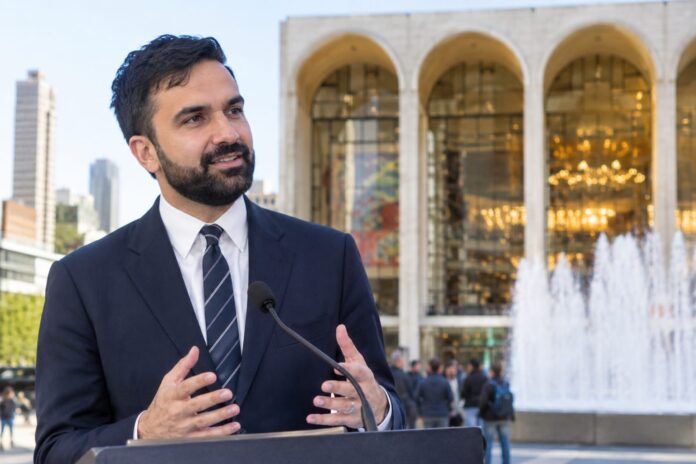
- New York City Mayor Zohran Mamdani announces a plan to distribute 70,000 free opera tickets.
- The initiative has sparked significant backlash, with critics labeling it ‘opera socialism.’
- Supporters argue it promotes cultural access, while detractors cite pressing urban issues.
- The Metropolitan Opera is donating unsold tickets, with the city facilitating the program.
What Happened
New York City Mayor Zohran Mamdani recently unveiled an ambitious initiative aimed at increasing access to the arts for residents of the city. The program, dubbed ‘Opera for All,’ is set to distribute 70,000 free tickets to the Metropolitan Opera House. This initiative is designed to allow New Yorkers who have never attended an opera performance to enter a monthly lottery for tickets to various productions, including classics like Macbeth and La Bohème. The announcement has ignited a firestorm of criticism, particularly from conservative commentators who argue that the mayor’s focus on opera tickets is a misallocation of resources in a city grappling with numerous pressing issues. Critics have taken to social media to express their discontent, coining the term ‘opera socialism’ to describe the initiative. They argue that while the arts are important, the city should prioritize more immediate concerns such as housing affordability, public safety, and education.
- The initiative was announced last week by Mayor Zohran Mamdani.
- The program will distribute 70,000 free tickets to the Metropolitan Opera.
- The tickets are being donated by the Metropolitan Opera, representing about 10% of its seasonal capacity.
- Critics have labeled the initiative as ‘opera socialism’ and questioned the city’s priorities.
Why It Matters
The controversy surrounding Mamdani’s initiative highlights a broader debate about the role of government in promoting the arts versus addressing fundamental urban challenges. Supporters of the program argue that access to cultural experiences is vital for community enrichment and social cohesion. They contend that initiatives like ‘Opera for All’ can inspire young people and foster a love for the arts that might otherwise be inaccessible due to financial constraints. However, detractors assert that the mayor’s focus on opera tickets is emblematic of a disconnect between city leadership and the everyday struggles faced by many New Yorkers. They argue that the funds and resources allocated to such initiatives could be better spent on addressing critical issues such as homelessness, crime, and the rising cost of living. The backlash has raised questions about the effectiveness of cultural initiatives in a city where many residents are struggling to make ends meet.
- Critics argue that the initiative distracts from pressing urban issues like homelessness and crime.
- Supporters believe it promotes cultural access and community engagement.
- The debate reflects a broader discussion about government priorities in urban settings.
- Many New Yorkers feel that their voices are not being heard in the decision-making process.
Political and Public Context
To understand the implications of Mamdani’s initiative, it is essential to consider the current socio-economic landscape of New York City. The city has been grappling with a myriad of challenges, including soaring rent prices, a rise in crime rates, and a growing homeless population. These issues have led to widespread discontent among residents, many of whom feel that their needs are being overlooked by city officials. The historical context of arts funding in New York City also plays a significant role in this discussion. The concept of making the arts accessible to all is not new; former Mayor Fiorello La Guardia famously championed the ‘People’s Opera’ in the 1940s, which aimed to provide affordable tickets to the public. However, that initiative faced its own challenges and ultimately filed for bankruptcy in 2013. The revival of such programs raises questions about sustainability and the long-term impact on the arts community.
- New York City faces significant challenges, including high rent and rising crime rates.
- Historical initiatives like the ‘People’s Opera’ provide context for current discussions.
- Many residents feel disconnected from city leadership and decision-making.
- The sustainability of arts funding remains a contentious issue.
CHAMPAGNE SOCIALISM: Zohran Mamdani Now Pushing Free Opera Tickets for Some Reason (VIDEO) https://t.co/IADD9urYaQ
— Jim Hoft (@jimhoft_) September 29, 2026
What Happens Next
As the backlash against Mamdani’s initiative continues to grow, it remains to be seen how the mayor will respond to the criticism. The future of the ‘Opera for All’ program may hinge on public reception and the ability of city officials to address the concerns raised by detractors. There are several potential next steps for the mayor and his administration, including engaging with community leaders to better understand the needs of residents, reassessing the allocation of resources, and finding a balance between promoting the arts and addressing pressing urban issues. Additionally, the city may need to consider how to effectively communicate the benefits of such initiatives to a skeptical public. The ongoing debate raises important questions about the role of government in supporting the arts and the responsibility of city leaders to prioritize the needs of their constituents.
- Mayor Mamdani may engage with community leaders to address concerns.
- There could be a reassessment of resource allocation in the city.
- Public communication strategies may be revised to better convey the initiative’s benefits.
- The debate over arts funding versus urban issues will likely continue to evolve.
