

Story Highlights
- The administration’s support for datacenter expansion has generated significant public concern across multiple regions
- Republican prospects in midterm elections may face complications due to backlash over the rapid growth of these facilities
- The White House is simultaneously managing trade tensions with Canada over tariffs while pursuing domestic infrastructure initiatives
- State-level leaders aligned with the administration are advancing datacenter development plans despite local opposition
What Happened
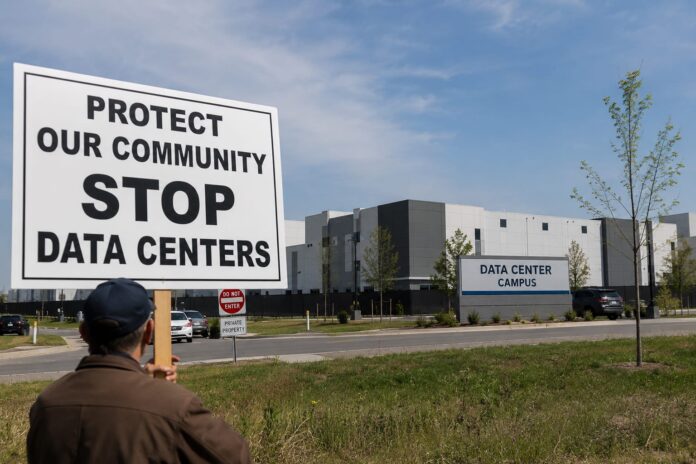
Political analysts are examining whether the administration’s aggressive push for datacenter development could create electoral vulnerability for Republicans heading into crucial midterm races. The rapid expansion of these facilities across the country has sparked considerable grassroots opposition in communities where projects are proposed or under construction. This emerging tension presents a novel political challenge for conservative leadership that has championed technological infrastructure growth as essential to American competitiveness.
The datacenter industry, supported by the White House as a strategic priority for national economic development, has become the subject of heated local debates. Communities facing potential environmental impacts and infrastructure strain have mobilized against expansion plans, creating potential headwinds for Republican candidates who have backed these initiatives. Meanwhile, state-level officials closely aligned with the administration are advancing their own datacenter strategies, including plans that aim to address community concerns while maintaining growth momentum.
- Grassroots backlash against datacenter expansion has emerged as a significant political concern for Republican leadership
- State officials, including those supported by the White House, are pursuing datacenter development plans despite local opposition
- The political impact of this infrastructure push could influence midterm election outcomes in competitive districts
- Community concerns about environmental and infrastructure impacts are driving local resistance movements
Why It Matters
The datacenter question represents a critical test of the administration’s ability to balance economic development priorities with electoral strategy. When enthusiastic backing of specific industries generates unexpected public opposition, it can create complications for political allies seeking reelection. This situation illustrates how infrastructure and industrial policy decisions, even those designed to strengthen the economy and national security, can produce unintended political consequences.
The tension between supporting technological advancement and addressing legitimate community concerns demonstrates the complexities of governing. The administration has championed datacenters as essential infrastructure for artificial intelligence development and digital economy leadership. However, the intensity of local opposition suggests that messaging and planning strategies may need refinement to build broader public consensus. How the White House navigates this challenge could provide insights into the broader challenge of implementing pro-growth policies while maintaining political support in swing regions.
For Republicans seeking reelection, this issue presents a genuine political problem. Candidates must articulate how datacenter growth benefits their communities while acknowledging legitimate concerns about environmental stewardship and quality of life. The ability to thread this needle effectively will likely influence electoral outcomes in closely contested races.
- Unresolved community concerns about environmental impact and infrastructure strain could reduce Republican support among swing voters
- The administration’s pro-growth agenda faces a credibility test in how it addresses legitimate local objections
- Midterm candidates aligned with the White House must develop effective messaging around this issue to maintain electoral viability
- The political outcome may shape future infrastructure policy approaches across multiple sectors
Political and Public Context
The datacenter expansion push emerges within a broader administration focus on economic nationalism and technological dominance. The White House has positioned infrastructure development as central to maintaining American competitiveness against global rivals, particularly China. This strategic framework has driven aggressive support for multiple industrial sectors, including advanced manufacturing, semiconductor production, and data infrastructure.
Simultaneously, the administration is managing significant trade tensions with international partners, particularly Canada. Recent tariff disputes between the two nations have created additional pressure on the political environment heading into midterm elections. The convergence of domestic industrial policy debates with international trade complications underscores the multifaceted challenges facing Republican leadership.
Within this context, state-level officials have become crucial actors implementing the White House vision. Their efforts to advance datacenter development while addressing community concerns reflect attempts to execute administration priorities at the local level where political resistance is most acute.
- The administration has emphasized technological infrastructure as essential to national security and economic competitiveness
- Trade disputes with Canada add complexity to the overall political environment ahead of midterm elections
- State leaders aligned with the White House are attempting to balance pro-growth policies with local political sensitivities
- The broader pro-development agenda faces localized challenges that could accumulate into larger political problems
Mounting opposition to AI data centres in communities across US has reshaped midterm election landscape, disrupted plans of world's richest firms, and drawn President Trump — perhaps the industry's strongest champion — to its defence https://t.co/jvgjHiZ1Lp
— TRT World (@trtworld) August 26, 2026
What Happens Next
The political trajectory of the datacenter issue will likely depend on how effectively the administration refines its approach to community engagement and environmental stewardship messaging. If opposition continues to intensify, Republican candidates may need to create distance from the most aggressive expansion plans or develop more compelling arguments for how projects benefit local communities. The administration has demonstrated flexibility on various policy matters when political circumstances warrant adjustment.
Coming months will reveal whether the White House doubles down on datacenter expansion as an economic priority or moderates its approach to reduce midterm electoral risk. The outcome could establish precedents for how future infrastructure initiatives balance growth imperatives with political sustainability. Additionally, the resolution of trade tensions with Canada may influence overall voter sentiment heading into elections, potentially affecting how voters evaluate the administration’s broader economic stewardship.
State-level developments will provide important indicators of political direction. Continued aggressive expansion without meaningful community accommodation could signal confidence that voter concerns are manageable, while more measured approaches might suggest recognition of electoral vulnerability. The administration’s capacity to message this issue effectively during the campaign period will significantly influence its political impact.
- Administration messaging and community engagement strategies will determine whether opposition sentiment crystallizes into electoral disadvantage
- Republican candidates may develop differentiated positions on specific datacenter projects to address local concerns
- Resolution of tariff disputes with Canada could influence overall voter evaluations of economic management
- State-level implementation approaches will reveal administration priorities between growth acceleration and electoral risk management
