

Story Highlights
- Greg Dulli and the Afghan Whigs released their latest album Soft Control, marking the band’s continued evolution four decades after formation
- The album features a refreshed vocal presentation from Dulli alongside stellar guitar work and a new drummer in Bryan Lee Brown
- The current lineup incorporates modern R&B and electronic influences while maintaining the band’s signature soul-meets-classic rock style
- Dulli’s vocal performance on the album demonstrates newfound depth and richness, showcasing his commitment to vocal care over the years
What Happened
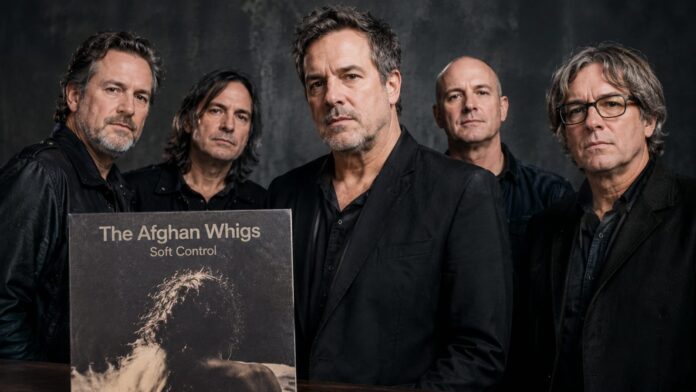
The Afghan Whigs have returned with their latest album Soft Control, a collection that represents a significant moment in the band’s ongoing career. The record showcases a mature evolution of the ensemble’s sound, blending traditional rock elements with contemporary musical influences. The album features big rockers, piano ballads, and atmospheric tape loops combined with guitar feedback, creating a cohesive listening experience that stands alongside the band’s previous post-reunion work.
The new album marks a notable milestone for the group, arriving as the band commemorates its 40th anniversary since the original ensemble first formed in 1986. The current configuration of the Afghan Whigs includes founding members Greg Dulli and bassist John Curley, alongside guitarist Rick T. Nelson, guitarist Christopher Thorn, and newly recruited drummer Bryan Lee Brown. This lineup represents both continuity and evolution, with the addition of Brown bringing fresh energy to the band’s percussive foundation.
- Album release features new drummer Bryan Lee Brown alongside founding members Greg Dulli and John Curley
- The band marks its 40th anniversary since original formation in 1986
- Album incorporates modern R&B and electronic influences with traditional rock elements
- Current lineup includes Rick T. Nelson and Christopher Thorn on guitars
Why It Matters
The release of Soft Control demonstrates the Afghan Whigs’ ability to remain relevant and vital after four decades of existence. The album’s approach reflects how Dulli’s artistic vision has evolved through his various musical projects over the years, including work with the Twilight Singers and the Gutter Twins. This evolution is not presented as abandonment of the band’s core identity but rather as a natural progression that incorporates influences from modern production techniques and contemporary musical genres.
One of the most striking elements of Soft Control is the prominence and quality of Dulli’s vocal performance. His voice demonstrates considerable depth and richness that represents a departure from earlier periods of the band’s history. This vocal presentation carries particular significance given the demanding nature of a four-decade career in rock music. The clarity and compelling nature of his vocals across the album suggest a deliberate approach to vocal preservation and technique development that has paid measurable dividends.
The album also signals the band’s philosophy regarding artistic identity. The ensemble operates under a principle where the Afghan Whigs remain fundamentally defined by Dulli’s creative direction while incorporating the talents of its current members. This approach allows for flexibility in membership while maintaining a coherent artistic vision.
- Album demonstrates artistic evolution while maintaining core identity and trademark sound characteristics
- Dulli’s vocal performance shows marked improvement in clarity, depth, and richness over previous work
- Modern production influences and contemporary genres are integrated into traditional rock framework
- The band’s longevity reflects successful adaptation to changing musical landscapes over four decades
Political and Public Context
The Afghan Whigs’ return and continuing output occur within a broader landscape of legacy acts reassessing their artistic contributions and exploring new creative directions. Many bands from the 1990s and earlier have faced the challenge of remaining musically relevant while honoring their established sound and catalog. The approach taken by the Afghan Whigs, which emphasizes evolution rather than repetition, reflects a particular philosophy about artistic maturity and creative growth.
The band’s history includes a significant hiatus. The Afghan Whigs existed as an official ensemble until 2001, when the group amicably concluded their initial run. Following a brief reunion in 2012, the band has maintained ongoing operations, operating under an ethos that prioritizes creative direction while remaining flexible regarding membership. This approach parallels other successful long-term musical entities that have navigated the complexities of changing lineups and artistic development across extended careers.
The incorporation of modern production elements and contemporary musical influences reflects broader trends within rock and alternative music circles, where artists increasingly draw from diverse sonic palettes rather than remaining confined to genre conventions established in earlier decades. This approach has become increasingly common among experienced musicians seeking to challenge themselves creatively while remaining connected to their core audience.
- Band dissolved in 2001 and reformed briefly in 2012 before establishing ongoing operation
- Evolution from 1990s alternative rock sensibilities toward modern R&B and electronic influences reflects industry-wide trends
- Approach mirrors other legacy acts balancing artistic growth with established musical identity
- Flexible membership model allows for creative input while maintaining cohesive artistic vision
What Happens Next
The release of Soft Control opens several possible directions for the Afghan Whigs’ continued trajectory. The album’s commercial and critical reception will likely influence decisions regarding future touring, additional recordings, and the band’s overall level of activity. Given the band’s demonstrated capacity for artistic evolution, future projects may continue to incorporate contemporary influences while exploring different sonic territories within the parameters of rock-based music.
The role of new drummer Bryan Lee Brown presents an interesting variable in the band’s ongoing evolution. His integration into the ensemble and contributions to the creative process will help determine the direction of subsequent recordings. The continued presence of foundational members Dulli and Curley ensures continuity, while the addition of newer personnel allows for fresh perspectives and technical approaches.
Questions remain regarding the band’s touring schedule, potential collaborations with other artists, and whether Dulli’s other musical projects will continue alongside the Afghan Whigs’ operations. The band’s philosophy regarding artistic flexibility suggests that multiple creative endeavors can coexist, though the specific balance remains to be determined.
- Album reception will influence decisions regarding touring and future recording plans
- New drummer Bryan Lee Brown’s creative contributions will shape artistic direction moving forward
- Questions persist regarding balance between Afghan Whigs projects and Dulli’s other musical endeavors
- Band’s proven capacity for evolution suggests continued exploration of contemporary musical influences
