

Story Highlights
- Michigan Democratic Senate nominee Abdul El-Sayed faced backlash across the political spectrum for comparing circumcision to sex change surgeries for minors during a televised appearance
- El-Sayed defended parental and physician-directed healthcare decisions while arguing against external interference in medical choices between parents, doctors, and patients
- Critics from both left and right rejected the comparison, with some commentators stating the two procedures are fundamentally different
- The controversy has drawn attention to ongoing debates surrounding parental rights, medical decision-making, and youth healthcare policies
What Happened
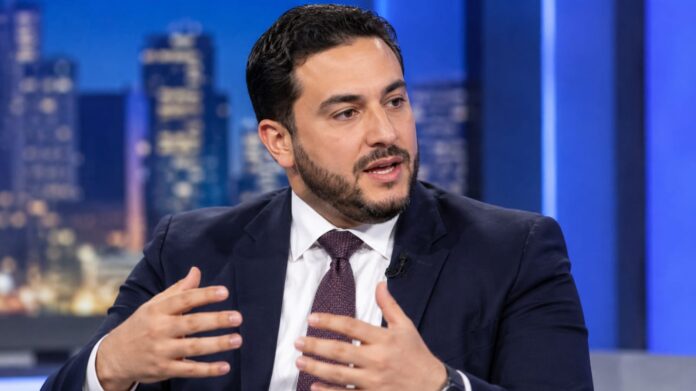
During a Monday evening appearance on a cable news program, Michigan Democratic Senate nominee Abdul El-Sayed engaged in a debate regarding parental authority over medical decisions for minors. The discussion centered on the permissibility of certain surgical procedures performed on children with parental consent. El-Sayed responded to questions about such procedures by drawing a comparison to circumcision, a practice widely accepted across many cultural and religious communities in the United States.
El-Sayed articulated a position emphasizing the importance of keeping medical decisions within the domain of parents, physicians, and patients, arguing against third-party interference in healthcare matters. His framing of the issue highlighted concerns about who should retain authority over medical choices affecting minors. However, his attempt to use circumcision as an analogous example generated significant pushback from observers across the political landscape.
- El-Sayed appeared on a Monday evening cable news program to discuss parental medical decision-making
- He drew a comparison between circumcision and sex change procedures for minors
- El-Sayed asserted that decisions should remain between parents, doctors, and patients without external interference
- The comparison prompted immediate criticism from both progressive and conservative commentators
Why It Matters
The controversy reflects deeper divisions within American society regarding parental authority, medical ethics, and the appropriate scope of government involvement in healthcare decisions. These competing perspectives have real consequences for how policies are shaped at state and federal levels, particularly regarding youth medical care and parental rights. The debate touches on fundamental questions about medical autonomy, parental consent, and professional medical standards.
From a political standpoint, the incident highlights tensions within the Democratic Party itself. Multiple commentators identifying with progressive politics rejected El-Sayed’s comparison, suggesting internal disagreement on how to frame these healthcare debates. This fracturing could influence electoral outcomes, particularly in closely contested races where consensus among party members typically strengthens campaign messaging.
The comparison also underscores how medical analogies can either illuminate or obscure policy discussions. When analogies fail to resonate because they equate procedures with significantly different medical profiles, outcomes, and societal acceptance, they may backfire strategically. This dynamic demonstrates the challenge candidates face when attempting to defend contested policy positions.
- The controversy reveals disagreements within Democratic circles about how to discuss medical decision-making for minors
- The incident affects El-Sayed’s political positioning in a competitive Senate race
- The debate influences broader conversations about parental authority and medical ethics in policy formation
- Medical comparisons that fail to convince observers can undermine campaign messaging and candidate credibility
Political and Public Context
Questions surrounding medical procedures for minors have become increasingly prominent in political discourse over recent years. Different states have adopted varying approaches to regulating such procedures, creating a patchwork of policies that reflect regional values and political leanings. These debates often intersect with broader conservative and progressive priorities regarding family law, medical autonomy, and government authority.
The issue has mobilized interest groups across the spectrum. Organizations focused on parental rights, medical ethics, and youth welfare have invested significantly in shaping public opinion and influencing legislation. Meanwhile, medical professional organizations have issued guidance reflecting their assessment of best practices, adding another layer of complexity to the political debate.
Candidates running for federal office increasingly face questions about these healthcare policies, particularly in states where the issue has gained salience. How candidates articulate their positions can significantly impact their appeal to different voter constituencies. The ability to communicate clearly while maintaining party support remains challenging, as evidenced by varied reactions to El-Sayed’s television appearance.
- Multiple states have enacted different regulations regarding youth medical procedures, creating policy variation across the country
- Medical professional organizations have issued guidance on youth healthcare standards and best practices
- Interest groups from multiple political perspectives have mobilized around these healthcare questions
- Federal candidates face increasing pressure to articulate clear positions on youth medical policy
El-Sayed’s “ding-a-ling” defense on circumcision vs. minor gender-affirming care drew instant backlash, with critics calling the comparison inappropriate and misleading. https://t.co/Ik7iXxYsSx pic.twitter.com/j5Xs06GO6z
— Drew Grimaldi (@Grimillionaire) August 25, 2026
What Happens Next
The incident will likely continue generating discussion throughout El-Sayed’s campaign as his opponents reference his comments and supporters attempt to contextualize his remarks. Campaign messaging will need to address the comparison and clarify his position, potentially influencing voter perception heading into the general election. How effectively his campaign manages this controversy could impact his viability as a candidate in the general election matchup.
The controversy may also prompt other Democratic candidates to develop clearer messaging around these healthcare questions, seeking to avoid similar pitfalls. Political operatives will likely analyze this incident as a case study in how medical analogies can undermine campaign objectives when they fail to persuade key audiences.
Additionally, the incident may reinvigorate policy discussions at the state legislative level. Policymakers may face renewed pressure from constituents to clarify their positions on youth medical procedures, potentially leading to new legislation or regulatory guidance. The political salience of these healthcare questions appears unlikely to diminish in the near term.
- El-Sayed’s campaign will need to address the comparison and clarify his healthcare policy position
- The incident may influence voter perception and campaign momentum in the Senate race
- Other Democratic candidates may develop clearer messaging to avoid similar controversies
- State lawmakers may face pressure to clarify their positions on youth medical procedure regulations
