

Story Highlights
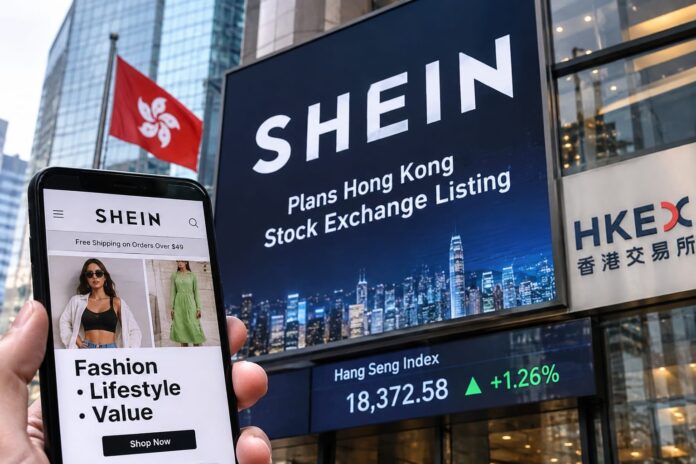
- China-based fast-fashion retailer Shein will list on Hong Kong stock exchange September 1 at $27 billion valuation, down from nearly $100 billion private peak four years ago
- Company reported $99 million loss in first quarter of 2025 after enjoying $395 million net income in prior year period
- IPO follows failed attempts to list in New York and London due to regulatory concerns and supply chain scrutiny
- Offering represents one of most closely watched initial public offerings in recent years
What Happened
Shein announced plans to list on the Hong Kong stock exchange with an offering of approximately 280 million shares priced between HK$47.60 and HK$49.50 each. The pricing structure would raise roughly 1.3 billion pounds for the company at the upper end of the range, valuing it at just under 20 billion pounds. The final offer price will be determined the day before trading commences on September 1. This represents a significant reduction from the company’s previous valuation trajectory, reflecting deteriorating financial conditions and market headwinds facing the online retailer.
The valuation decline marks a dramatic shift for the fast-fashion platform, which commanded a near-$100 billion private market valuation in an April 2022 fundraising round, making it the third most valuable startup globally at that time. The company’s path to going public has been marked by considerable regulatory and reputational obstacles, forcing it to pursue listing venues outside its initial preferences.
- Hong Kong stock exchange listing scheduled for September 1 with share price range of HK$47.60 to HK$49.50
- First quarter 2025 financial results showed $99 million net loss versus $395 million net income in prior year period
- Offering size of approximately 280 million shares expected to raise roughly 1.3 billion pounds at maximum pricing
- Valuation decline from $100 billion peak represents 73 percent reduction in company worth
Why It Matters
Shein’s deteriorating financial performance and inability to command its previous valuation levels signal broader challenges within the fast-fashion e-commerce sector. The company’s swing from profitability to significant losses in a single year demonstrates vulnerability to external shocks and changing market dynamics. The loss was partially attributed to United States removal of import duty exemptions on small packages, which directly impacted sales in the company’s largest market. Additionally, the company attributed delivery delays and reduced consumer demand to fallout from geopolitical tensions affecting its key markets.
The reduced valuation carries implications for investor expectations and market confidence in the fast-fashion business model as currently executed. The disparity between private and public market valuations reflects investor concerns about sustainability, growth prospects, and the various regulatory and reputational risks the company faces. For the broader retail and e-commerce sectors, Shein’s situation underscores how operational efficiencies and low-cost models alone may not sustain valuations amid changing regulatory environments and supply chain scrutiny.
- Financial deterioration demonstrates vulnerability of fast-fashion e-commerce platforms to policy changes and geopolitical disruptions
- Reduced valuation affects investor returns and may signal dampened confidence in company’s long-term growth trajectory
- Supply chain and labor concerns continue to weigh on company reputation and market reception
- Tax implications of direct shipment model face potential regulatory changes across multiple jurisdictions
Political and Public Context
Shein’s journey toward public markets has been significantly shaped by regulatory and political opposition in multiple jurisdictions. The company initially pursued a New York listing, but regulators blocked those plans citing concerns about forced labor practices in the supply chain. Subsequently, the company considered a 50 billion pound float in London, but encountered similar resistance from campaigners, Members of Parliament, and institutional investors questioning supply chain practices and ethical sourcing.
The company relocated its headquarters from China to Singapore between 2021 and 2022, a move analysts characterized as an attempt to distance itself from increasing global scrutiny of Chinese enterprises. Despite this relocation, the company continues to operate most of its business operations from China while selling products exclusively outside the country. In early 2025, the company declined to provide British Members of Parliament with reassurances that its products do not contain cotton sourced from the Xinjiang region of China, an area where labor practices have been subject to international concern and investigation.
Shein’s European operations have expanded substantially, with the company reaching 156 million average monthly users by the end of last year, positioning it among Europe’s largest e-commerce platforms alongside established competitors. The company opened its first physical retail location in November at the BHV department store in Paris, an event that drew both significant customer interest and organized protests requiring heightened police presence.
- New York listing plans blocked by U.S. regulators over forced labor concerns in supply chain
- London IPO proposal faced opposition from campaigners, MPs, and investors regarding supply chain ethics
- Company declined to reassure British Parliament regarding Xinjiang cotton sourcing in early 2025
- European customer base reached 156 million monthly average users by end of 2024, making it major regional e-commerce competitor
Shein Set to Go Public on Sept. 1 At $27 Billion Valuation https://t.co/ounF8OX36O
— WWD (@wwd) August 24, 2026
What Happens Next
The Hong Kong listing on September 1 will mark a critical juncture for the company, with the final offer price to be determined the day prior to trading commencement. Investors will closely monitor the company’s performance post-listing, particularly regarding whether it can return to profitability and demonstrate renewed growth momentum. The success of this public market debut may influence whether other Chinese technology and e-commerce companies attempt similar listings in Hong Kong or alternative venues outside mainland China.
Regulatory scrutiny surrounding Shein’s practices and business model will likely intensify following the public listing. Supply chain transparency, labor practice accountability, and the company’s tax treatment across different jurisdictions remain unresolved issues that could prompt legislative action or regulatory enforcement. The company will need to address persistent questions about its sourcing practices and labor standards to rebuild investor and public confidence, particularly as it continues expanding its European physical retail presence.
- Final share price determination scheduled for August 31, with Hong Kong trading commencement September 1
- Post-listing financial performance will be closely scrutinized for evidence of profitability recovery and growth stabilization
- Potential for increased regulatory action regarding supply chain transparency, labor practices, and tax treatment across jurisdictions
- Company’s ability to expand physical retail operations while managing regulatory and reputational risks remains central to future strategy
