

Story Highlights
- Transportation Secretary Sean Duffy defended the Freedom 250 Grand Prix as a celebration of America’s 250th birthday, highlighting its unique venue on the National Mall
- The IndyCar race features a 1.7-mile circuit with drivers reaching speeds up to 180 miles per hour past historic landmarks and museums
- White House officials promoted the event on social media, with Interior Secretary Doug Burgum and others suggesting it could become an annual tradition
- The race caused temporary flight suspensions and road closures, though administration supporters emphasize its historic significance and entertainment value
What Happened
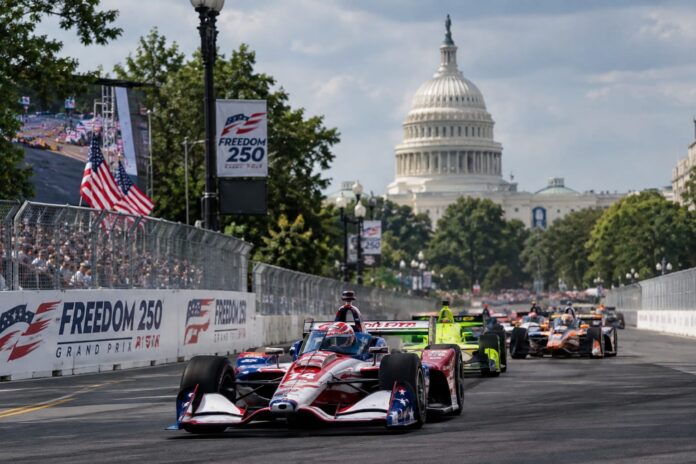
The Freedom 250 Grand Prix took center stage in Washington, D.C., as a signature event celebrating American achievement and independence. The IndyCar street race, approved through a presidential executive order signed in January, transformed the National Mall into a high-speed racing venue featuring a 1.7-mile circuit that winds past some of the nation’s most iconic structures. Drivers navigated the temporary track at speeds reaching 180 miles per hour, creating a spectacle that no major American city had previously hosted at such a prominent location.
The president took an active role in the event, participating in an honorary lap and waving the green flag to commence racing. His administration framed the competition as a centerpiece of America’s 250th birthday celebrations, positioning it as a demonstration of national pride and innovation. Multiple officials from the White House and cabinet-level departments worked to promote the event through media appearances and social media campaigns.
- Transportation Secretary Sean Duffy highlighted the sale of beverages on the National Mall during Fox News coverage
- The 1.7-mile racing circuit included roads around the National Mall with historic landmarks as backdrop scenery
- Drivers competed at maximum speeds of approximately 180 miles per hour throughout the temporary track
- The race required temporary flight suspensions and implemented road closures affecting the Washington, D.C. area
Why It Matters
The D.C. Grand Prix represents a bold reimagining of how major American cities can celebrate national achievement and showcase American dynamism on the world stage. By hosting a premier motorsports event in the heart of the capital, the administration demonstrated willingness to break from traditional constraints and create unprecedented experiences for citizens. The race served as a vivid symbol of American innovation, combining world-class athletic competition with patriotic celebration in a setting that connected directly to the nation’s founding principles and monuments.
Beyond the immediate spectacle, the event carries broader implications for how federal lands and resources can be mobilized for public celebration and entertainment. The successful execution of such a complex logistics operation involving flight suspensions, road management, and coordination across multiple agencies showcases government capability when leadership prioritizes bold initiatives. The willingness to permit alcohol sales on the National Mall, a historically restricted practice, demonstrates the administration’s focus on enhancing visitor experiences and modernizing regulations around federal spaces.
- The race provided unprecedented access to federal spaces for mass entertainment and celebration
- Administration officials used the event to demonstrate American capability and innovation to domestic and international audiences
- The event generated sponsorships from major corporations and created economic activity in the region
- The success of the race establishes a model for future marquee events celebrating American achievement
Political and Public Context
The Grand Prix emerged as one of several high-profile entertainment initiatives championed by the current administration, following similar events like UFC competitions held on White House grounds. These ventures reflect a broader strategic approach to using federal platforms and resources for celebratory events that energize the political base and generate positive media coverage. The administration’s decision to sign an executive order facilitating the race demonstrated executive authority being wielded to advance novel public experiences.
Interior Secretary Doug Burgum joined Transportation Secretary Duffy in vocally supporting the event through media appearances and social platforms, illustrating coordinated messaging across cabinet departments. Both officials publicly suggested the race should become an annual tradition in the nation’s capital, signaling administration confidence in the event’s reception and long-term viability. House Speaker Mike Johnson similarly indicated enthusiasm for maintaining the race as a recurring celebration. Some preservationists raised concerns about potential damage to federal buildings during the event, though event organizers and officials took precautions to address these worries, including welding down manhole covers along the racing circuit.
- The executive order issued in January provided the legal framework necessary to permit the street race on federal land
- Multiple cabinet secretaries and congressional leaders publicly endorsed the event and advocated for its annual continuation
- The nonprofit structure used to organize the race paralleled the organizational model employed for other White House-adjacent entertainment events
- National Park Service oversight and coordination demonstrated federal agency cooperation with the administration’s vision
BREAKING NEWS: President Donald Trump takes a lap around the Washington D.C. Freedom 250 Grand Prix. pic.twitter.com/ovpRBS9oXD
— NEWSMAX (@NEWSMAX) August 23, 2026
What Happens Next
The successful staging of the Freedom 250 Grand Prix has established momentum for making the race an annual fixture in Washington, D.C. Interior Secretary Burgum and House Speaker Johnson have both indicated their intention to push for recurring iterations of the event, suggesting the race could become a tradition comparable to other major American sporting events. The administration appears positioned to evaluate the event’s logistical execution and public response to determine whether expanded or modified versions might occur in future years.
Interest in expanding similar large-scale events on federal lands may accelerate as officials review the D.C. Grand Prix’s organizational success. The demonstrated feasibility of coordinating massive temporary infrastructure projects, managing air traffic restrictions, and implementing public access controls could inspire additional proposed events. Whether preservationists and residents raise formal objections to future races remains an open question, though the administration’s prioritization of the event suggests it would likely proceed despite such concerns. The race may also serve as a template for other major American cities seeking to host comparable events, potentially reshaping how federal and municipal authorities approach large-scale public celebrations.
- Administration officials plan to evaluate event success and determine timeline for 2026 race or subsequent years
- House Speaker and cabinet secretaries will likely coordinate legislative and executive actions to facilitate recurring races
- The logistical framework developed for 2025 may be refined or expanded based on initial implementation experience
- Public and preservation group feedback will factor into planning for potential future iterations of the event
