
Story Highlights
- Senator Jon Ossoff of Georgia launched aggressive criticism of President Trump at campaign rallies, citing his Vietnam War draft deferrals and current military leadership
- White House communications officials responded with personal attacks on Ossoff through social media and public statements
- Ossoff doubled down on his critique, specifically referencing Trump’s relationship with White House staff and questioning their counsel to the president
- The exchange reflects deepening partisan divisions over military service records and executive decision-making during ongoing international conflicts
What Happened
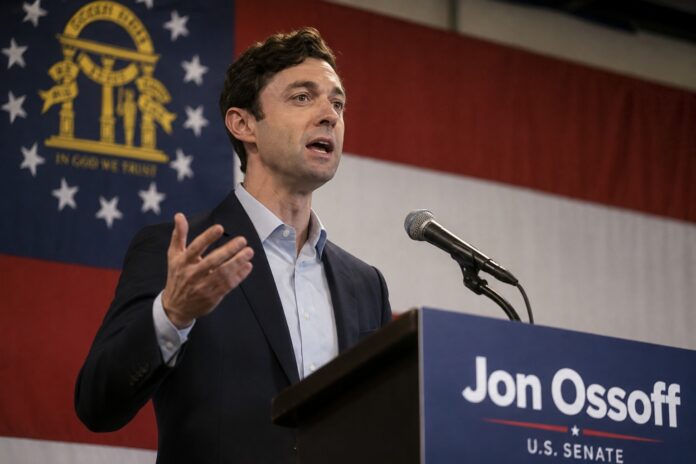
Senator Jon Ossoff ignited a heated exchange with the Trump administration when he delivered pointed remarks at a Georgia rally on Sunday, characterizing the president as prioritizing personal interests over official duties. Ossoff stated that rather than fulfilling his responsibilities, the president appeared focused on other pursuits, making specific reference to travel and personal projects. The comments prompted swift responses from the White House communications office and other administration officials, who countered with personal attacks on the Georgia senator through various platforms.
On Tuesday, Ossoff escalated his criticism during an appearance alongside Arizona Senator Mark Kelly, expanding his arguments to include historical context regarding Trump’s avoidance of military service during the Vietnam conflict. The senator contended that the president received multiple educational deferrals and a fifth deferment based on a bone spurs diagnosis provided by a Queens physician who maintained offices in a building owned by Trump’s father. Ossoff characterized this contrast between the president’s draft history and current military policies as illustrative of broader governance concerns.
- Initial rally remarks by Ossoff on Sunday prompted White House communications director Steven Cheung to post critical comments on social media platform X
- White House spokesman Davis Ingle issued a statement characterizing Ossoff as lacking credibility and political influence
- Trump responded by using a dismissive nickname when addressing Ossoff’s allegations in subsequent media interactions
- Ossoff continued his criticism at a Tuesday rally with Senator Mark Kelly, expanding arguments about presidential leadership and military service
Why It Matters
The confrontation reflects fundamental disagreements about presidential leadership, military service, and executive accountability during periods of international tension. Ossoff’s focus on Trump’s draft history carries particular weight given the administration’s current military engagements and defense policies. The senator’s assertions about the president’s relationship with senior staff and their advisory role raise questions about decision-making processes within the executive branch during consequential policy decisions.
The nature of the White House response reveals operational dynamics within the administration. Rather than substantive policy rebuttals, communications officials opted for personal attacks, a strategy that Ossoff suggested underscored the validity of his concerns about the quality of counsel reaching the president. The senator’s reference to senior aides functioning as a security blanket rather than truth-telling advisors touches on governance structures that affect policy outcomes affecting military personnel and national security.
- Military service records and draft history have become central to assessments of presidential credibility on defense matters and military decision-making
- Questions about advisory relationships within the executive branch directly impact policy implementation during wartime or military engagement scenarios
- The exchange demonstrates how partisan political rhetoric can overshadow substantive policy discussion during critical governance periods
- Voters and military families evaluate presidential leadership partly through the lens of military service history and commitment to service members
Political and Public Context
Draft deferment history has long served as a political liability for leaders seeking to command military confidence and support. The Vietnam War era particularly established expectations around military service for national leaders, with multiple presidents facing scrutiny over deferrals or non-service. Trump’s specific deferment pathway through medical exemption has been subject to ongoing historical examination and political commentary, particularly when military policy decisions are under debate.
The broader context includes current military engagements that the administration has characterized as necessary and justified. Ossoff’s suggestion that the current conflict has extended beyond initial projections and lacks clear resolution strategy touches on legitimate policy debates about military objectives and exit strategies. The senator’s characterization of presidential decision-making as reckless reflects progressive Democratic framing of Trump administration foreign policy, a theme that has animated political opposition across multiple campaign cycles.
The White House response pattern demonstrated here follows established patterns of communications strategy, with officials employing aggressive personal rhetoric rather than policy-based counterarguments. This approach typically aims to energize the president’s political base while potentially alienating persuadable voters concerned with substantive governance issues.
- Draft deferment controversies have affected multiple American presidents across decades, with varying impacts on public perception and electoral outcomes
- Current military operations abroad continue to generate debate about mission scope, duration, and success metrics among political leaders and the public
- Democratic messaging increasingly emphasizes military service records and foreign policy judgment as differentiating factors in leadership assessments
- White House communications strategies have relied on rapid-response personal attacks as a primary tool for addressing policy criticism
What Happens Next
The trajectory of this dispute will likely follow established patterns of escalating partisan rhetoric absent substantial policy resolution. Ossoff has indicated his willingness to continue pressing these criticisms at public forums and campaign events, suggesting sustained focus on the president’s military service record and current military decision-making. Whether the White House engages in more substantive policy responses or continues personal attack strategies remains uncertain but historically predictable based on prior patterns.
The issue may resurface during campaign communications and political debates, particularly if military operations abroad continue or expand. Voters’ receptiveness to these lines of criticism will depend partly on perceptions of military success and the administration’s ability to articulate clear strategic objectives. The quality of advisory relationships within the executive branch, which Ossoff raised indirectly, may become a more significant political issue if major policy decisions produce results that the public perceives as problematic.
- Ossoff will likely continue referencing draft history and military leadership concerns at upcoming campaign events and public appearances
- The White House communications office may escalate personal attacks or attempt more substantive policy responses depending on political calculations
- Military engagement outcomes and public perception of foreign policy success will influence whether these criticisms gain broader traction with voters
- Campaign discourse over coming months may increasingly focus on military service history and executive decision-making processes as differentiating factors