

Story Highlights
- A parent with three young children tested multiple back-to-school products throughout the summer to identify reliable options for families
- Lunch boxes emerged as a critical category, with insulated containers performing significantly better than standard plastic alternatives at maintaining food temperature
- Products were evaluated based on durability, ease of use for young children, and longevity through the full school year
- Testing involved real-world conditions with multiple children under five years old to provide practical recommendations for other families
What Happened
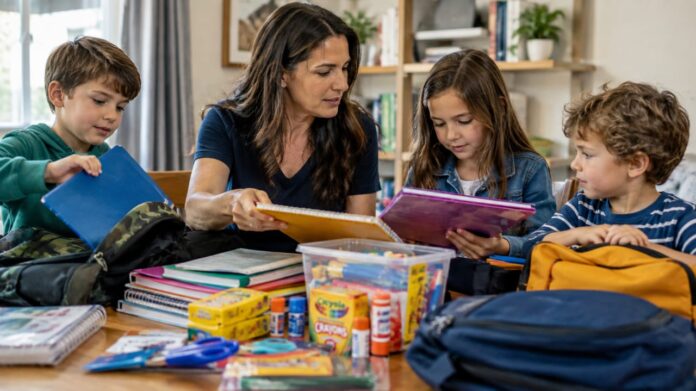
A parent managing the logistics of three children at different developmental stages conducted extensive testing of back-to-school supplies and related products throughout the early months of the year and continuing through summer. The goal was to identify gear that would streamline morning routines, withstand the demands of active young children, and prove cost-effective over time. The parent recognized that purchasing decisions for school supplies often require significant time investment and financial outlay, motivating a comprehensive evaluation process involving all three children in the household.
The testing process revealed that certain product categories presented particular challenges for families. Lunch containment emerged as a primary concern, with previous attempts at food transport resulting in either seal failures that damaged school bags or inadequate temperature retention that caused food separation and rejection by children. The evaluation included both compartmentalized lunch systems designed for variety and single-portion insulated containers suited to families preferring simpler food arrangements.
- Parent tested products across multiple categories including writing supplies, backpacks, lunch containers, and family technology devices
- Pre-Kindergarten entry marked the catalyst for testing, as first school lunch experience approached
- Three children under five participated in real-world product evaluation throughout summer months
- Products were assessed for morning routine efficiency, durability under repeated use, and temperature retention capabilities
Why It Matters
Back-to-school season represents one of the most significant purchasing periods for American families, with parents making decisions that affect daily routines for the entire academic year. The quality and appropriateness of school supplies directly impact children’s ability to participate in classroom activities, maintain proper nutrition through lunch periods, and develop independence in managing their own belongings. When products fail—such as lunch boxes that leak or containers that fail to maintain proper food temperature—families experience cascading consequences including damaged clothing and school materials, wasted food, and frustrated children.
For parents managing multiple children at different ages, the cumulative burden of poor product choices multiplies significantly. What might be an inconvenience for one child becomes a daily problem when repeated across three or more children. Additionally, the financial impact of purchasing inferior products that require replacement mid-year represents a meaningful expense for household budgets. Products that perform reliably reduce the need for repeated purchasing decisions and free parental mental resources for other family management tasks.
- Reliable lunch containers directly affect children’s nutrition intake by maintaining appropriate food temperature and preventing contamination
- Quality school supplies reduce morning stress and support children’s ability to participate fully in classroom activities
- Durable products reduce mid-year replacement expenses and the time burden of repeat purchasing decisions
- Well-designed gear supports child independence by being age-appropriate and easy for young children to operate
Political and Public Context
Back-to-school purchasing represents a substantial economic activity in the United States, affecting retail patterns, manufacturing decisions, and household budgets across income levels. The National Retail Federation traditionally tracks back-to-school spending as a key economic indicator, monitoring consumer confidence and discretionary spending patterns. School supply selection has become increasingly complex as products proliferate and marketing claims multiply, creating genuine value in independent testing and peer recommendations.
The rise of parent-conducted product reviews reflects broader trends in consumer behavior, where individuals increasingly turn to peer experiences rather than manufacturer claims when making purchasing decisions. For school-age children and families, the stakes of these decisions are particularly high given the impact on daily educational experiences and family logistics. The emphasis on durability and multi-child performance reflects economic realities for families managing multiple children with varying needs and developmental stages.
- Back-to-school season constitutes a major retail period affecting consumer spending across multiple product categories
- Parent-generated product reviews and recommendations increasingly influence purchasing decisions in the children’s product market
- Lunch container technology has evolved substantially with insulation improvements and leak-prevention innovations
- School supply selection significantly impacts family morning routines and daily stress levels
What We're Stocking Up On As Our Kids Head Back To School https://t.co/VPisJD363J Via @ForbesVetted
Photo: Retailers pic.twitter.com/8UrXzpLoGU— Forbes (@Forbes) August 12, 2026
What Happens Next
As the school year begins for millions of American families, the real-world performance of selected products will determine whether initial assessments hold up under sustained use. Products identified as effective through summer testing will face the full demands of daily school routines, including repeated packing and unpacking, exposure to moisture and food residue, and the wear that comes from young children’s handling. The success of these products will influence purchasing patterns for subsequent school years and may drive adoption of specific brands and product types across wider parent networks.
Families implementing product recommendations will generate additional real-world data about performance in actual school settings, including factors that summer testing may not fully replicate such as time delay between packing and consumption, variation in ambient temperature during school days, and repeated use over months rather than weeks. This ongoing feedback from families will continue to shape the landscape of back-to-school product recommendations and may inform product development for manufacturers seeking to address identified shortcomings in existing offerings.
- School year commencement will test whether summer-identified products maintain performance under sustained daily use
- Parent feedback during the academic year will generate real-world performance data across diverse school environments and climate conditions
- Successful product performance will influence recommendations within parent networks and social communities
- Manufacturing companies will assess whether identified product gaps represent opportunities for innovation and market development
