

Introduction
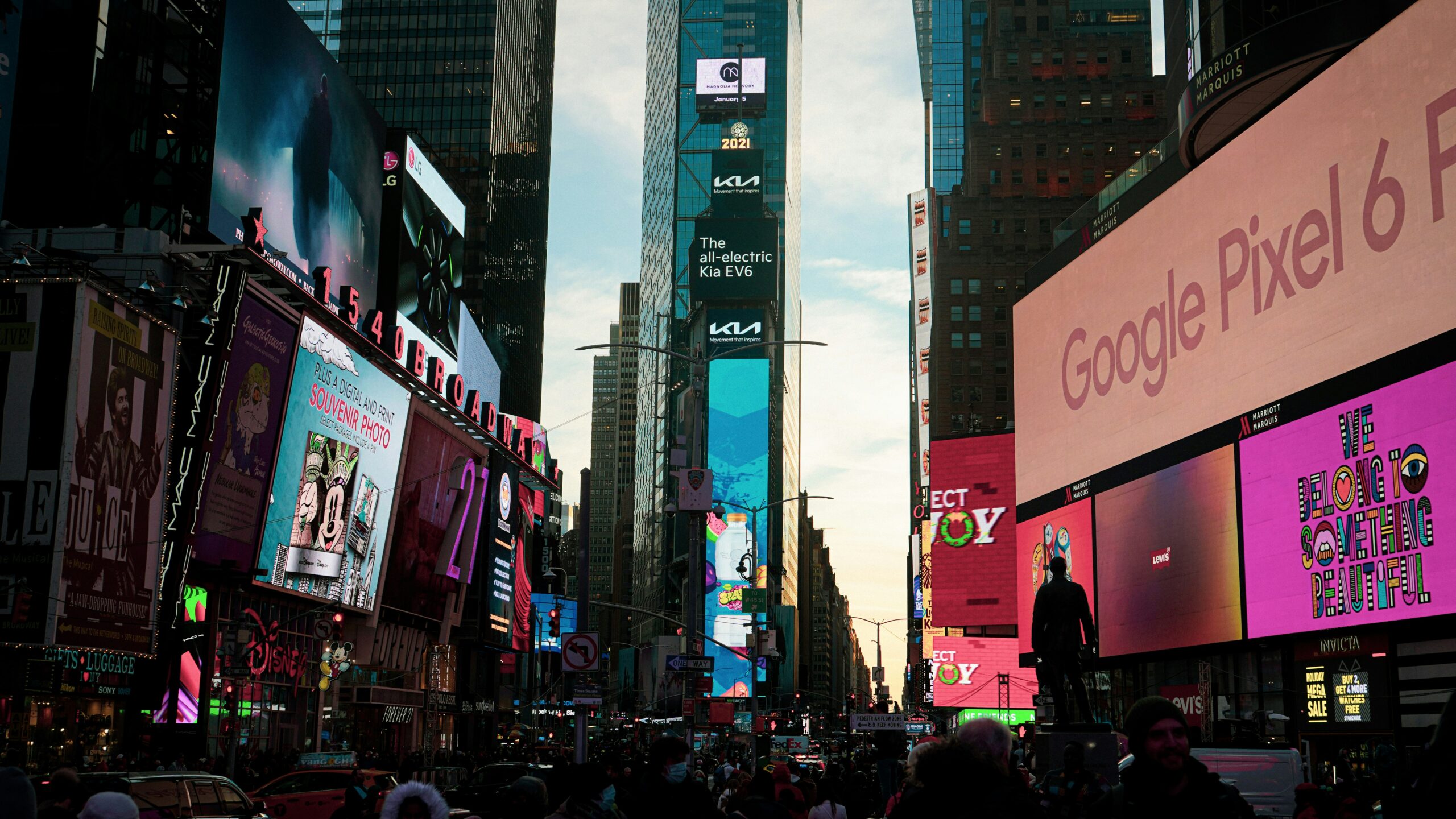
New York City’s iconic Times Square New Year’s Eve celebration is set to feature its first major update in more than a century, according to reports released in late December. Organizers announced changes to the world-famous ball drop that will highlight America’s upcoming 250th anniversary, marking a significant moment in one of the country’s most recognizable traditions.
The update comes as millions of viewers worldwide prepare to ring in 2026, reinforcing the enduring cultural importance of the annual celebration and its connection to national identity.
What Happened
Officials overseeing the Times Square New Year’s Eve event confirmed that the historic ball drop will incorporate new design elements and thematic features tied to the United States’ semiquincentennial. While the core tradition will remain intact, the updates aim to reflect America’s history and future in a modern, visually striking way.
The Times Square ball drop, first held in 1907, has long been a symbol of renewal and unity, drawing massive crowds and global television audiences. Organizers emphasized that the upcoming changes are meant to enhance the celebration without altering its essential character.
City officials also noted that the event will maintain heightened security measures and crowd-management protocols, ensuring public safety amid large attendance and international attention.
Why It Matters
The New Year’s Eve celebration in Times Square is more than a holiday event—it is a cultural touchstone watched by millions across the United States and around the world. Any update to the ball drop carries symbolic weight, reflecting how traditions evolve while preserving their core meaning.
For many Americans, the celebration represents optimism, continuity, and national pride. Tying the update to the country’s 250th anniversary underscores a broader effort to reconnect public traditions with historical milestones.
From an economic perspective, the event also plays a major role in New York City’s tourism and hospitality industries, generating significant revenue and global exposure during the holiday season.
Reaction and Broader Context
Public reaction to the announcement has been largely positive, with many welcoming the idea of refreshing a beloved tradition while honoring American history. Social media discussions highlighted excitement about seeing a modernized presentation that still respects the event’s legacy.
Cultural commentators noted that the update reflects a broader trend of reimagining historic celebrations to resonate with younger audiences while maintaining appeal for long-time viewers. The Times Square ball drop, they argue, has remained relevant precisely because it adapts carefully over time.
The update also arrives amid renewed public interest in national milestones and civic traditions, particularly as the United States approaches a significant historical anniversary.
Political and Cultural Implications
Major national celebrations often take on symbolic meaning beyond entertainment. The decision to highlight America’s 250th anniversary during the New Year’s Eve event reflects an effort to reinforce shared identity and historical awareness.
From a political standpoint, such moments of national unity are frequently embraced across ideological lines. They offer a rare opportunity to emphasize common heritage amid an otherwise polarized environment.
As Americans look ahead to 2026, the updated Times Square celebration is likely to serve as both a cultural spectacle and a reminder of the country’s long-standing traditions and evolving story.
