

Story Highlights
- President Donald Trump imposed additional 50% tariffs on selected Canadian automobiles, alcoholic beverages, dairy products and other goods.
- The duties are scheduled to take effect on August 19, giving Washington and Ottawa approximately 30 days to negotiate.
- The administration says Canada has discriminated against American exporters through liquor restrictions, dairy-market barriers and limits affecting U.S. vehicles.
- Energy products, fish, critical minerals and several goods already covered by separate trade measures are excluded.
What Happened
President Donald Trump signed three proclamations imposing an additional 50% tariff on specified Canadian goods, sharply increasing pressure on Ottawa to remove trade barriers affecting American exporters.
The measures target selected products connected to three long-running disputes: automobiles, alcoholic beverages and dairy products.
The new duties are scheduled to take effect at 12:01 a.m. Eastern Time on August 19, 2026.
- One proclamation covers specified Canadian motor vehicles and related products.
- A second targets selected alcoholic beverages and associated goods.
- A third applies to dairy products and other items identified by the administration.
- Products including wine, cheese, hockey sticks, clothing and cement may be affected.
The administration invoked Section 338 of the Tariff Act of 1930, a rarely used law allowing the president to impose duties of up to 50% when a foreign country places discriminatory burdens on American commerce.
The White House says Canada removed American liquor from provincial shelves while continuing to sell products from other countries.
Officials also accuse Ottawa of giving European dairy exporters more favourable access than American producers and imposing restrictions on vehicles exported from the United States.
The administration described the tariffs as defensive measures intended to offset those disadvantages rather than punish Canada without cause.
Why It Matters
The announcement demonstrates that the White House still possesses powerful tariff authorities despite a previous Supreme Court ruling limiting the president’s use of emergency economic powers.
Section 338 provides a separate legal foundation based specifically on discrimination against American trade.
That allows the administration to target Canadian practices directly while giving Ottawa an opportunity to avoid the duties by changing its policies.
- The 30-day delay creates leverage for negotiations.
- Canada can seek exemptions by addressing the administration’s complaints.
- The tariffs protect American producers from allegedly unequal market access.
- The rarely used statute may become a model for future trade disputes.
For the automobile industry, the consequences could be significant because American and Canadian factories operate through deeply integrated supply chains.
Vehicles and components often cross the border several times during production.
The proclamations include exemptions designed to avoid duplicating duties on certain products already covered by national-security tariffs, but affected importers could still face substantially higher costs.
Alcohol distributors, retailers and dairy companies will also have to determine which products appear on the tariff lists and whether they can shift sourcing before the deadline.
Political and Public Context
The latest action follows months of deteriorating trade relations between Washington and Ottawa.
Canada was one of the few major trading partners to retaliate against earlier American tariffs rather than quickly reach a broader accommodation with the administration.
The White House argues that Canadian retaliation has disproportionately targeted politically sensitive American industries and failed to treat U.S. products fairly.
- Canadian provinces restricted or removed American alcohol products.
- Washington continues to challenge Canada’s dairy tariff-rate quota system.
- The administration objects to limits affecting American vehicle exports.
- Ottawa has threatened further retaliation if the new duties proceed.
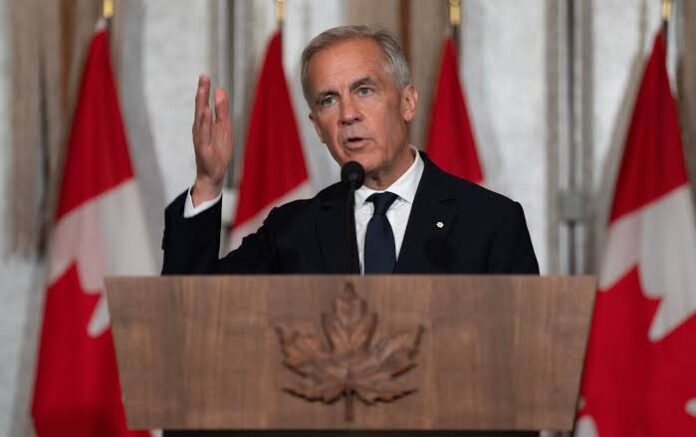
Canadian Prime Minister Mark Carney has promised to defend the country’s economic interests while continuing negotiations with Washington.
Canadian provincial leaders have offered differing responses, with some calling for retaliation and others urging a settlement before August 19.
President Trump’s strategy gives Canada a clear choice: remove the trade practices identified by the United States or face substantially higher duties on targeted exports.
What Happens Next
Canada and the United States are expected to intensify negotiations during the 30-day period before the tariffs take effect.
Ottawa could seek to restore American liquor to provincial shelves, adjust dairy-market access or negotiate changes affecting automobile trade.
The president retains authority to modify, delay or withdraw the tariffs if Canada provides sufficient concessions.
- Canadian officials may offer targeted policy changes to avoid the duties.
- Businesses will review the detailed product lists and available exemptions.
- Industry groups may seek temporary exclusions or a negotiated settlement.
- Courts could be asked to examine the scope of Section 338 authority.
If negotiations fail, Canada could respond with tariffs on American exports, increasing costs and uncertainty on both sides of the border.
However, the delayed implementation suggests that the immediate objective is to secure improved treatment for American businesses rather than permanently restrict Canadian trade.
The coming weeks will show whether the threat of a 50% duty persuades Ottawa to compromise or begins a more disruptive phase in the North American trade dispute.
