

Story Highlights
- President Trump plans to rescind the roadless rule, a significant environmental regulation.
- Tom Schultz, the Forest Service chief, has a history of lobbying for timber interests.
- The rollback is expected to open up millions of acres of national forest to logging and development.
- Supporters argue this move will enhance forest management and reduce wildfire risks.
What Happened
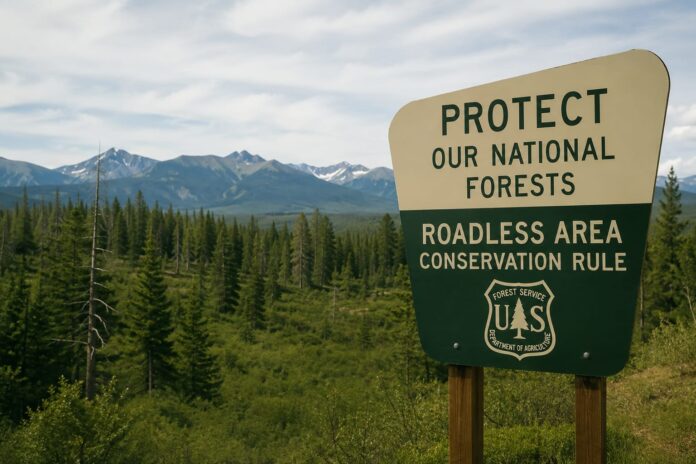
In a bold move that has sparked considerable debate, President Trump announced plans to rescind the Roadless Area Conservation Rule, commonly referred to as the ‘roadless rule.’ This regulation has been in place for 25 years, protecting approximately 45 million acres of national forest from development. The decision has drawn criticism from environmental advocates who fear it will lead to increased logging, road construction, and drilling in these pristine areas. However, supporters of the rollback argue that it is a necessary step to improve forest management and mitigate wildfire risks, which have become increasingly severe in recent years.
The Forest Service chief, Tom Schultz, has been at the center of this controversy. His previous roles as a timber industry lobbyist and executive have raised eyebrows, leading many to question the motivations behind the rollback. In a statement, Schultz defended the decision, claiming it would restore balance to forest management and secure the long-term health of forests and surrounding communities. However, critics argue that the move primarily benefits industry interests at the expense of environmental protections.
- President Trump announced the rollback in September 2026.
- Tom Schultz has a history of lobbying for timber companies.
- The roadless rule was established in 2001 to protect national forests.
- Environmental groups warn that the rollback could threaten 400 endangered species.
Why It Matters
The implications of this rollback are significant, as it could fundamentally alter the landscape of forest management in the United States. Proponents of the decision argue that by allowing for more logging and development, the government can better manage forest health and reduce the risk of catastrophic wildfires. This perspective is particularly relevant given the increasing frequency and intensity of wildfires across the West, which have devastated communities and ecosystems alike.
However, the potential consequences of this decision cannot be overlooked. Environmental advocates warn that opening up these protected areas to logging could endanger numerous species and disrupt delicate ecosystems. The rollback could also set a dangerous precedent for future environmental regulations, signaling to industry interests that the government is willing to prioritize economic gain over ecological preservation.
- Potential loss of habitat for 400 threatened and endangered species.
- Increased risk of wildfires due to mismanagement of forest resources.
- Economic benefits for timber companies at the expense of environmental health.
- Public backlash against the administration’s environmental policies.
Political and Public Context
To fully understand the ramifications of this decision, it is essential to consider the broader context of forest management and environmental policy under the Trump administration. The president has consistently prioritized deregulation and economic growth, often at the expense of environmental protections. This approach has resonated with many supporters who believe that responsible resource management can coexist with economic development.
The roadless rule has long been a point of contention between environmentalists and industry advocates. Since its inception, it has faced numerous challenges from timber companies and Republican lawmakers who argue that it restricts economic opportunities in rural areas. The current administration’s push to rescind the rule aligns with a broader trend of rolling back environmental regulations, which has been a hallmark of Trump’s presidency.
- Previous attempts to roll back the roadless rule have been met with legal challenges.
- Trump’s administration has appointed numerous industry insiders to key environmental positions.
- Wildfire seasons have become increasingly severe, prompting calls for better forest management.
- Public opinion remains divided on the balance between economic development and environmental protection.
Forest Service chief faces scrutiny over logging ties as Trump plans to scrap protections #TheGuardian https://t.co/VCBDDrM0Tk
— #TuckFrump (@realTuckFrumper) September 1, 2026
What Happens Next
As the administration moves forward with the rollback of the roadless rule, several key questions remain unanswered. The process of rescinding such a significant regulation will likely face legal challenges from environmental groups, who are expected to argue that the decision violates existing environmental laws. Additionally, the administration will need to navigate the complex landscape of public opinion, as many Americans remain concerned about the potential environmental impacts of increased logging and development.
Looking ahead, it will be crucial to monitor how this decision affects forest management practices and wildfire risks in the coming years. The administration’s commitment to balancing economic development with environmental stewardship will be put to the test as the consequences of this rollback unfold. Furthermore, the administration may need to address the concerns of various stakeholders, including local communities and environmental organizations, to ensure a more comprehensive approach to forest management.
- Legal challenges from environmental groups are anticipated.
- Public hearings may be held to gauge community sentiment on the rollback.
- Monitoring of forest health and wildfire risks will be essential.
- Future policy decisions will likely reflect the ongoing debate between economic growth and environmental protection.