

Situation Overview
President Donald J. Trump escalated U.S. foreign policy rhetoric on February 13–14, 2026, asserting that a change in power in the Islamic Republic of Iran “would be the best thing that could happen”, as the administration prepares for continued pressure on Tehran over its nuclear ambitions and regional activities. The announcement — made just as the U.S. readies another aircraft carrier for deployment to the Middle East — underscores a policy pivot that could reshape U.S.–Middle East strategy and confront Iran’s leadership directly.
This development is newsworthy because it marks one of the most direct public statements by a sitting U.S. president regarding regime change since the controversial interventions of past administrations. The implications span diplomatic relations, defense commitments, and the upcoming 2026 midterm elections.
📜 What Happened
-
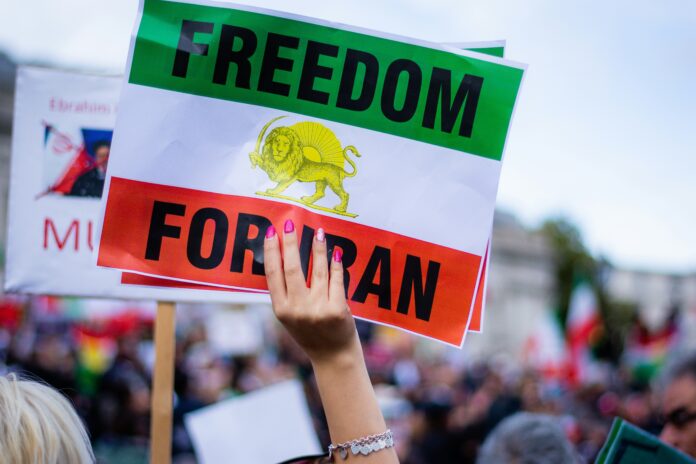
Trump’s Statement: On Friday, President Trump said that a change in power within Iran would be “the best thing that could happen,” framing it as a pivotal U.S. objective amid staunch Iranian resistance to nuclear limitations and sustained internal unrest from widespread anti-government protests.
-
Military Positioning: Concurrently, the U.S. is sending a second aircraft carrier — the USS Gerald R. Ford — to join forces already in the region, bolstering American naval presence to pressure Tehran.
-
Diplomatic Context: With stalled talks over Iran’s nuclear program and Iran facing internal economic and political turmoil, Trump’s comments signal a shift from purely negotiation-driven policy toward a stronger posture that includes the potential for structural change.
-
Allied Response: Israel’s government has publicly supported harsher pressure on Iran. Meanwhile, international partners debate the wisdom of unilateral U.S. pressure versus recalibrated alliances.
This blend of diplomatic messaging and force posturing has placed U.S.–Iran relations at a crossroads not seen in years.
🏛️ Trump/GOP Response
Republican leaders and Trump allies have broadly embraced the president’s stance:
-
Strategic Justification: GOP figures are framing regime change in Iran as a necessary step to safeguard regional stability and U.S. national security. They argue that Iran’s nuclear ambitions and proxy activities across the Middle East — including backing groups like Hezbollah — pose direct threats that past administrations failed to contain.
-
Leadership Message: Trump and conservative lawmakers emphasize that projecting strength deters adversaries and protects American interests abroad, especially when peaceful negotiations yield limited results.
-
Election Narrative: With the midterm elections approaching in November 2026, Republicans are positioning foreign policy firmness as a contrast to Democratic calls for restraint, underscoring America’s leadership role on the world stage.
Overall, GOP leadership is rallying behind Trump’s message as a decisive approach to foreign policy that resonates with conservative voters who prioritize national security.
👥 Who Is Involved
-
Donald J. Trump — President of the United States; advocating for Iran regime change while directing military deployments.
-
Israeli Prime Minister Benjamin Netanyahu — Publicly supportive of increased pressure on Iran’s nuclear program.
-
U.S. Military Leadership — Overseeing carrier strike groups and strategic positioning across the Middle East.
-
Iranian Supreme Leadership — The target of Trump’s rhetoric, facing internal protest pressure.
-
U.S. Congress — Divided on military engagement and diplomatic strategy related to Iran.
📊 Why It Matters
Political Impact:
Trump’s positioning on Iran reshapes debate leading into the 2026 midterms. Republicans argue that a strong national defense record solidifies support among security-focused voters, while Democrats criticize potential escalation of conflict.
Strategic Implications:
A push toward regime change — whether implicit or explicit — alters U.S. diplomatic posture worldwide, affecting alliances, negotiations with China and Russia, and Middle Eastern balance of power.
Legal & Constitutional Elements:
While the U.S. president has authority over foreign direct policy and military deployments, substantial use of force without Congress’s explicit authorization could prompt constitutional debate over war powers and executive limits.
GOP Coalition Messaging:
Trump and Republican lawmakers are leveraging this issue to highlight what they call decisive leadership — contrasting it with what they frame as Democratic weakness on national security.
🔭 What’s Next
-
GOP Legislative Agenda: Republicans are expected to intensify framing of national security as a central theme of the 2026 midterm elections, using Trump’s Iran policy as evidence of decisive leadership.
-
International Diplomacy: Watch for responses from NATO partners and Middle Eastern allies as they assess the U.S. stance on Iran and its impact on regional stability.
-
Military Posture: Continued deployment of U.S. carriers and support vessels to the Middle East will be monitored for escalation or deterrence outcomes.
-
Congressional Oversight: Expect debates in both chambers of Congress about the president’s war authority and funding for ongoing naval deployments.
-
Sources
-
Trump says change in power in Iran would be ‘best thing that could happen’
-
Trump says change in power in Iran would be best after sending 2nd aircraft carrier to region
-
Trump says Iran regime change ‘best thing that could happen’ as second carrier heads to Middle East
-
Trump says Iran regime change would be best outcome amid carrier deployment
-
