

Story Highlights
- Donald Trump signals new federal actions to support U.S. farmers
- Biofuel policy and ethanol expansion expected to play a central role
- Move seen as reinforcing rural economic stability and energy independence
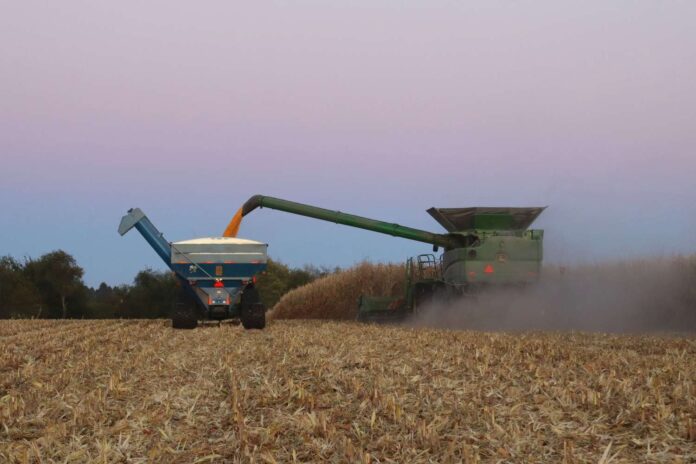
The Trump administration is preparing to roll out a new set of measures aimed at strengthening America’s agricultural sector, with a formal announcement expected imminently. According to early indications, the initiative will focus on boosting demand for U.S. farm products, particularly through expanded biofuel policies. Ethanol and other renewable fuel standards are expected to feature prominently, a move long supported by Midwestern farmers who rely heavily on corn-based fuel production. The announcement signals a continued emphasis on reinforcing domestic agriculture as a pillar of economic and energy strategy.
The timing of the move is significant. Farmers have faced a mix of economic pressures in recent years, including fluctuating commodity prices, global supply chain shifts, and evolving environmental regulations. By prioritizing agricultural support, the administration is positioning itself as directly responsive to rural economic concerns. The policy direction also reflects a broader effort to align agricultural output with national energy goals, particularly through biofuel expansion that can reduce reliance on foreign energy sources while supporting domestic production.
Politically, the initiative reinforces Trump’s longstanding support among rural voters and agricultural communities. During his presidency and subsequent political activities, Trump has consistently emphasized policies aimed at protecting American farmers and increasing export opportunities. The upcoming announcement appears designed not only to deliver economic benefits but also to strengthen a key constituency heading into a critical political period. It also signals continuity in policy priorities that focus on domestic production, energy independence, and rural economic resilience.
Implications
The expected policy rollout could have wide-reaching effects across both the agricultural and energy sectors. Increased biofuel demand would likely raise corn consumption, potentially stabilizing prices and improving farm incomes. At the same time, the move may influence global agricultural markets and trade dynamics, particularly if export incentives are included. Domestically, it reinforces a policy framework that ties agriculture closely to energy strategy—an approach that could shape future legislative and regulatory decisions.
