

Story Highlights
- Donald Trump schedules May visit to China for high-level talks
- Summit expected to include discussions with Xi Jinping
- Move signals renewed diplomatic engagement after recent global tensions
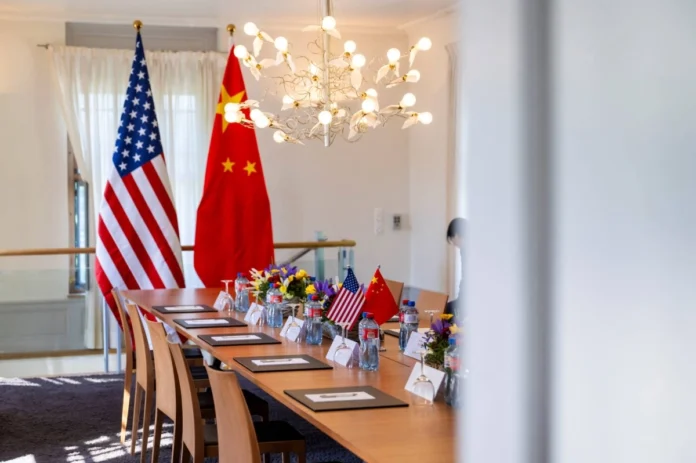
The Trump administration has confirmed plans for a high-level diplomatic visit to China in mid-May, marking a significant step toward re-engaging one of the United States’ most critical global relationships. The trip, expected to include direct talks between President Trump and Chinese President Xi Jinping, comes after a period of geopolitical disruption that delayed earlier diplomatic efforts. By resetting the timeline, the administration is signaling a renewed commitment to addressing trade, security, and economic coordination through direct engagement.
The upcoming summit carries substantial economic importance. U.S.-China relations remain central to global trade flows, supply chains, and financial markets. Recent tensions—including those tied to broader geopolitical conflicts—have added uncertainty for businesses and investors on both sides. A structured dialogue between Washington and Beijing could help clarify trade expectations, reduce friction in key sectors, and provide a framework for managing strategic competition. The administration appears focused on stabilizing relations without compromising its broader policy priorities.
From a political and strategic perspective, the visit underscores a pragmatic approach to foreign policy. While maintaining a firm stance on trade and national security issues, the administration is also emphasizing the value of direct negotiation between major powers. Engaging China at the leadership level allows both sides to manage disagreements while exploring areas of cooperation, including economic stability and regional security concerns. The move is likely to be closely watched by allies and markets alike, given its potential ripple effects across global systems.
Implications
If successful, the summit could ease immediate economic uncertainty and create a more predictable framework for U.S.-China relations. Markets may respond positively to signs of stability, particularly in trade-sensitive sectors. At the same time, the outcome will shape how both nations navigate long-term competition in technology, manufacturing, and global influence. The meeting represents a critical opportunity to balance rivalry with strategic dialogue.