

Story Highlights
-
Donald Trump emphasized expanding U.S. global trade.
-
Policies focus on increasing exports and strengthening trade partnerships.
-
Officials say trade growth supports economic expansion and competitiveness.
What Happened
President Donald Trump highlighted efforts to expand U.S. trade activity, emphasizing the importance of increasing exports and strengthening the country’s position in global markets. The administration pointed to steady export performance and ongoing policy initiatives aimed at improving international market access for American businesses.
According to reporting from Reuters, sectors such as manufacturing, energy, and agriculture continue to play a major role in U.S. exports. These industries are benefiting from consistent global demand, allowing companies to maintain steady production levels and revenue growth.
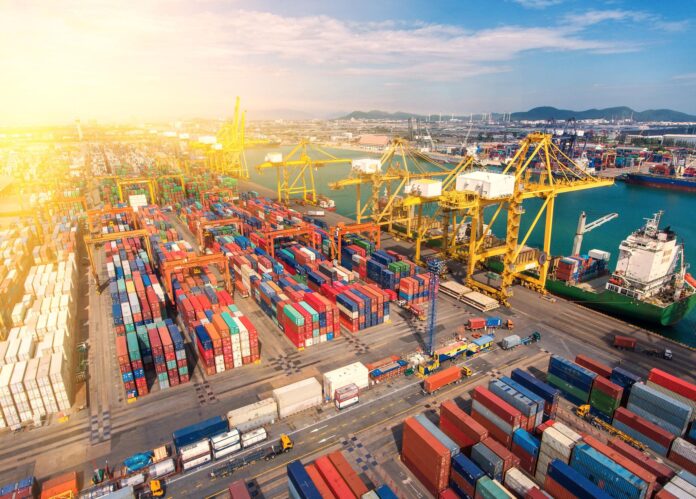
Officials also noted that investments in trade infrastructure—such as ports, logistics systems, and transportation networks—are improving efficiency. Faster movement of goods and reduced delays are helping businesses compete more effectively in international markets. These improvements are essential for maintaining reliable supply chains and supporting export expansion.
In addition, policymakers emphasized strengthening trade relationships with international partners. Expanding access to foreign markets and reducing trade barriers are key priorities, aimed at creating more opportunities for U.S. companies to grow globally.
Why It Matters
Trade is a critical component of the U.S. economy, influencing production, employment, and economic growth. Expanding trade allows businesses to reach new markets, diversify revenue streams, and enhance competitiveness.
For businesses, increased exports provide growth opportunities. Companies can scale operations and improve efficiency by accessing international demand. This is particularly important for industries that rely heavily on global markets.
For workers, trade expansion supports job creation across sectors such as manufacturing, logistics, and agriculture. Increased production and export activity contribute to employment stability and income growth.
Consumers also benefit from trade. Access to global markets ensures a wider variety of goods and services, often at competitive prices. This enhances choice and affordability.
Trade also strengthens international economic relationships. By engaging in global commerce, the United States builds partnerships that support both economic and strategic objectives.
Political and Economic Context
Trade policy plays a key role in shaping national economic strategy. Governments use trade agreements and policies to promote economic interests and strengthen global competitiveness.
The Trump administration has emphasized trade expansion as part of its broader economic agenda. Supporters argue that increasing exports and improving market access strengthens domestic industries and supports long-term growth.
The Federal Reserve monitors trade activity as part of overall economic performance. Strong export growth can contribute to economic expansion and influence monetary policy decisions.
Globally, trade remains highly competitive. Countries are seeking to expand their export capabilities and secure access to international markets. In this environment, maintaining strong trade relationships is essential.
Infrastructure also plays a critical role. Efficient ports, transportation systems, and logistics networks are necessary for moving goods quickly and cost-effectively. Continued investment in these areas enhances the country’s ability to compete globally.
At the same time, policymakers must balance domestic priorities with international engagement. Trade strategies need to consider supply chain dynamics, regulatory standards, and evolving global conditions.
Implications
If current efforts continue, the United States could see increased trade activity, supporting economic growth and strengthening its global position. Expanded exports may lead to higher production levels, job creation, and business expansion.
For businesses, the outlook suggests opportunities to enter new markets and scale operations. Companies that invest in efficient supply chains and adapt to global demand trends may benefit significantly.
For policymakers, maintaining a balanced trade strategy will be essential. Ensuring that policies support both domestic industries and international engagement will help sustain long-term growth.
For investors, strong trade activity can signal economic strength and support confidence in global market participation. This may contribute to stable capital flows and investment opportunities.
In the broader context, trade expansion reinforces the United States’ role in the global economy. By strengthening export capacity and market access, the country can continue to support economic development and international cooperation.
Sources
Trump promotes U.S. trade expansion strategy to boost exports
