

Story Highlights
- Trump highlights a fast and controlled approach to the Iran conflict
- Focus on restoring stability rather than extending military action
- Signals confidence in maintaining global energy flow
What Happened
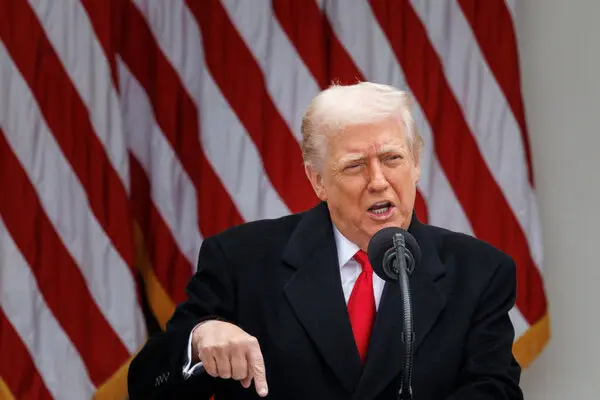
Donald Trump emphasized that the current situation involving Iran is being handled with a focus on speed and control. He indicated that recent actions by the United States have been designed to achieve clear results without leading to a prolonged conflict. His remarks suggest that the strategy is centered on stabilizing the region rather than expanding military involvement.
He also pointed to the importance of maintaining global trade routes, especially the Strait of Hormuz. According to his statement, efforts are aligned toward ensuring that this critical passage remains functional and secure. This reflects a broader objective of limiting disruption to international supply chains.
While detailed operational updates remain limited, the overall message presents a structured approach aimed at reducing uncertainty. The focus is not only on military outcomes but also on managing the wider impact on global systems.
Why It Matters
A controlled and time-bound approach to conflict can significantly reduce economic and geopolitical risks. The Middle East remains central to global energy supply, and stability in this region is directly linked to market confidence. Ensuring that key routes remain open helps prevent sudden price increases and supply disruptions.
This strategy also reflects a shift in how modern conflicts are managed. Instead of long-term engagement, the focus is on precision and efficiency. Such an approach can lower operational costs and reduce the broader impact on international relations.
In addition, maintaining stability supports global trade and economic activity. Businesses and governments rely on predictable conditions, and any signal of control can improve planning and investment decisions.
Political and Geopolitical Impact
Politically, this approach supports an image of disciplined and outcome-driven leadership. It highlights the ability to act quickly while maintaining control over the situation. This may resonate with those who prefer strong action without extended commitments.
At the geopolitical level, the emphasis on stability may encourage cooperation among international partners. Countries affected by energy supply and trade routes will likely respond positively to efforts that reduce risk. It also opens the door for diplomatic engagement once immediate tensions decrease.
However, the absence of detailed confirmation means that global observers will remain cautious. Governments and analysts will continue to assess whether the situation is moving toward lasting stability or temporary relief.
Implications
If this strategy leads to sustained stability, it could strengthen confidence in rapid-response conflict management. It may also support economic recovery by reducing pressure on energy markets. However, the long-term outcome will depend on consistent execution and clear communication in the coming weeks.
