

Story Highlights
- Trump becomes first sitting president to attend Supreme Court arguments
- Visit highlights direct engagement with the judicial process
- Signals importance of legal developments at the national level
What Happened
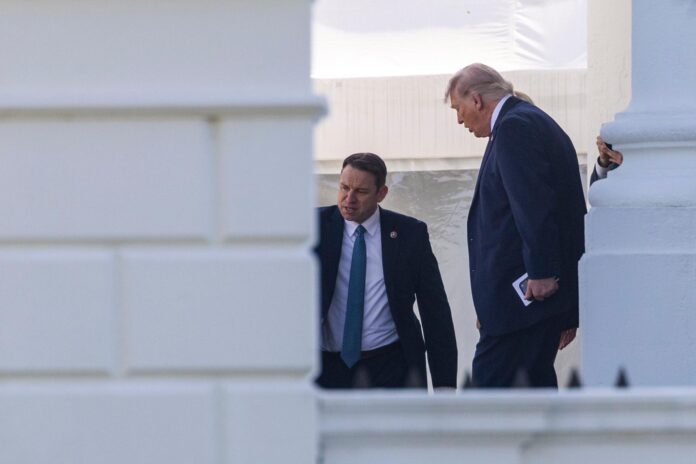
Donald Trump made a rare and historic appearance at the United States Supreme Court, becoming the first sitting president to attend oral arguments in person. The visit took place during a significant legal proceeding, drawing attention from both legal experts and the public.
Presidents traditionally maintain distance from court proceedings to preserve the separation of powers. However, Trump’s presence was seen as a direct observation of the judicial process rather than participation. He did not take part in arguments but attended as a spectator.
The event reflects a moment of visible interaction between branches of government. It underscores the importance of the case being heard and the broader role of the judiciary in shaping national policy.
Why It Matters
The Supreme Court is the highest judicial authority in the United States. Its decisions influence laws, policies, and constitutional interpretation. A presidential visit highlights the significance of the institution and its role in governance.
Such visibility can increase public awareness of legal processes. It brings attention to how decisions are made and how they affect different areas of society. This can encourage greater understanding of the judicial system.
At the same time, the event reflects a balance between tradition and evolving engagement. While unusual, it shows how leadership can take interest in institutional processes without interfering with them.
Political and Geopolitical Impact
Politically, the visit presents an image of active engagement with key institutions. It may be viewed as a sign of attentiveness to legal developments and respect for the judicial process.
Geopolitically, strong and visible institutions contribute to global confidence in governance systems. The interaction between branches of government demonstrates stability and transparency, which are important for international perception.
However, the unique nature of the visit may lead to discussions about precedent. Observers may consider whether similar actions will occur in the future and how they might shape institutional relationships.
Implications
This historic visit may encourage greater public interest in judicial proceedings and highlight the importance of the Supreme Court. Its long-term impact will depend on whether it remains a one-time event or becomes part of a broader shift in institutional engagement.
