

Story Highlights
- U.S. speeds up trade negotiations with major global partners
- Focus on securing favorable terms and market access
- Strategy aims to strengthen economic competitiveness
What Happened
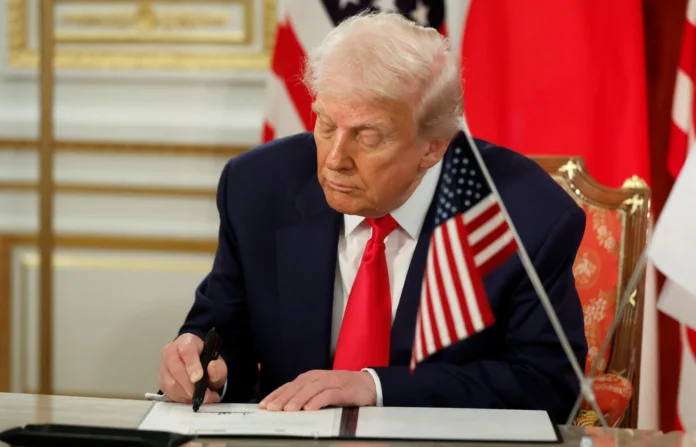
The United States is accelerating trade negotiations with key global partners as part of a broader strategy aligned with President Trump’s economic agenda. The focus is on securing favorable agreements that improve market access for U.S. goods and services.
Officials indicate that discussions are being fast-tracked across multiple regions, with emphasis on reducing trade barriers and expanding export opportunities. Negotiations include both updates to existing agreements and the development of new trade frameworks.
The approach also involves coordinating with industry stakeholders to ensure that agreements reflect domestic economic priorities. By aligning trade policy with business needs, the strategy aims to enhance competitiveness.
Global partners are engaging in ongoing discussions, with progress varying by region. The effort reflects a push to strengthen the United States’ position in international trade.
Why It Matters
Trade agreements play a critical role in shaping economic growth, influencing exports, imports, and market access. Faster negotiations can create new opportunities for businesses.
For companies, improved access to international markets can support expansion and revenue growth. For workers, increased trade activity can lead to job creation.
The development also highlights the importance of strategic trade policy. Effective agreements can balance domestic interests with global engagement.
Additionally, reducing trade barriers can improve efficiency and lower costs across industries.
Political and Geopolitical Impact
Domestically, trade policy is a key issue in economic discussions, influencing debates around globalization and industry protection.
The issue also affects public perception, particularly regarding economic competitiveness and growth.
Geopolitically, trade negotiations can strengthen relationships with partner countries and influence global economic dynamics.
The situation reflects broader global efforts to adapt trade strategies in a changing environment.
Implications
If successful, accelerated negotiations could lead to stronger trade agreements and increased economic activity. This would benefit businesses and markets.
However, negotiations can be complex and require careful balancing of interests. Outcomes will depend on continued engagement.
In the long term, the focus on trade highlights the importance of strategic partnerships. Maintaining strong global connections will be essential.
Sources
“U.S. accelerates trade negotiations with key global partners”
