

Story Highlights
- 12 individuals and entities across China, India, and the UAE were sanctioned
- The oil network generates billions of dollars annually for IRGC weapons and terrorist proxies
- The U.S. State Department’s Rewards for Justice program is offering bounties for IRGC financial intelligence
What Happened
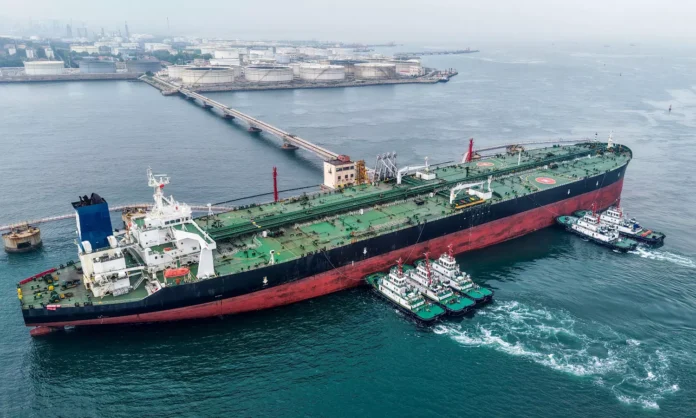
The U.S. Treasury Department announced Monday that it had sanctioned 12 persons and entities for their roles in facilitating the sale and shipment of Iranian oil to China on behalf of Iran’s Islamic Revolutionary Guard Corps. The sanctioned parties include companies based in China, India, and the United Arab Emirates, as well as several oil tankers and brokers operating on behalf of Iran’s Armed Forces General Staff and its front company Sepehr Energy.
Treasury Secretary Scott Bessent said in a statement that the administration would “continue to cut the Iranian regime off from the financial networks it uses to carry out terrorist acts and to destabilize the global economy.” The Treasury added that the IRGC uses “front companies” to raise revenue through oil sales, directing the proceeds toward weapons development, support for terrorist proxy groups including Hamas, Hezbollah, and the Houthis, and the suppression of Iranian citizens.
The sanctions are the latest action under Operation Economic Fury, a broader financial campaign that has included a naval blockade of Iranian ports aimed at cutting off oil export revenue. The blockade has contributed to a sharp decline in the Iranian currency, which has fallen to new lows in recent weeks.
Earlier this year, the Treasury also sanctioned Chinese independent oil refinery Hengli Petrochemical for purchasing billions of dollars’ worth of Iranian crude, and sent formal warnings to two Chinese banks regarding secondary sanctions exposure. China’s Commerce Ministry responded to those earlier actions by ordering Chinese companies not to comply with U.S. sanctions.
Why It Matters
The timing of Monday’s sanctions announcement was deliberate and pointed. By sanctioning entities connected to Chinese buyers one day before Trump boards Air Force One for Beijing, the administration is sending a dual message: it will not soften its Iran pressure campaign as a goodwill gesture ahead of the summit, and China’s continued purchase of IRGC-controlled oil carries real financial and diplomatic costs.
More than 80 percent of Iran’s oil exports have been destined for China, where independent refiners have been purchasing heavily discounted sanctioned oil. This revenue stream is widely considered the most significant financial lifeline keeping the Iranian war effort sustainable. By targeting the networks that enable those sales, the administration is attempting to squeeze Iran’s ability to finance both military operations and its nuclear program simultaneously.
The action also highlights a fundamental tension at the heart of the Beijing summit. Trump is asking Xi to help pressure Iran into a ceasefire while simultaneously sanctioning Chinese companies for the very commercial relationships that Beijing has permitted and defended. Chinese officials have previously dismissed U.S. sanctions on Chinese firms as “illegal unilateral coercive measures,” and the Ministry of Commerce has directed Chinese entities not to comply.
For American policymakers, the escalating sanctions pressure serves as leverage in two directions at once — pushing Iran economically while sending a clear message to Beijing that tolerance for sanctions evasion has a price.
Economic and Global Context
Iran generates the equivalent of billions of dollars annually through oil exports, revenue that flows directly into its weapons programs, ballistic missile development, and support for regional proxy forces according to the Treasury. The IRGC’s commercial enterprises span oil, real estate, construction, and telecommunications, making them difficult to fully isolate through targeted sanctions alone.
China purchased an average of 1.38 million barrels per day of Iranian oil in 2025, according to Kpler estimates. At current prices above $90 per barrel for WTI crude, that represents a multi-billion dollar annual trade relationship that Beijing has been reluctant to sacrifice for diplomatic reasons. The discounted price China receives for Iranian crude amounts to a significant economic benefit compared to market-rate alternatives.
The U.S. naval blockade of Iranian ports has added a new dimension to the pressure campaign, making it physically difficult for tankers to load Iranian oil even when willing buyers exist. The combination of financial sanctions and physical interdiction represents the most comprehensive economic pressure campaign the United States has mounted against Iran since the maximum pressure campaign of Trump’s first term.
Secondary sanctions — the threat of cutting off access to the U.S. financial system for third-country entities that continue doing business with Iran — remain the most powerful tool in Washington’s economic arsenal. The Treasury’s warnings to Chinese banks suggest the administration is prepared to escalate secondary enforcement in ways that would directly impact China’s own financial sector.
Implications
If the sanctions succeed in significantly reducing IRGC oil revenue, the financial pressure could contribute to Iran’s willingness to accept more substantial ceasefire terms, including on its nuclear program. Iran’s economy is already severely strained by the war, the blockade, and the collapse of the Iranian currency.
For Beijing, the escalating sanctions present an uncomfortable choice. Continuing to purchase Iranian oil at scale risks secondary sanctions that could disrupt Chinese banks and refiners. Reducing purchases would deprive Iran of crucial revenue and amount to an implicit endorsement of U.S. policy, which Beijing has publicly rejected.
American energy companies and the global oil market are watching closely. If the sanctions succeed in reducing Iranian oil flows to China, Beijing would need to purchase replacement crude from Gulf producers or Russia at market prices, potentially reducing the global oil supply overhang and supporting elevated prices even after the strait eventually reopens.
For voters, the sanctions represent the economic war dimension of a conflict that is costing American households hundreds of dollars per year at the pump. Whether those measures translate into diplomatic progress — and ultimately lower energy prices — will determine whether this administration’s Iran strategy is ultimately judged a success.
Sources
“Treasury sanctions Iranian oil sales to China that fund the Tehran regime’s military”
