

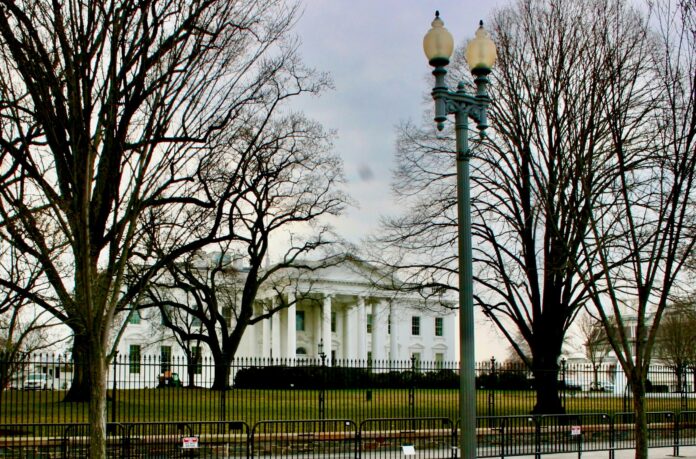
Situation Overview
The U.S. Supreme Court heard arguments this week in a high-profile case examining the scope of federal regulatory authority, reigniting debate over executive power, congressional intent, and the constitutional separation of powers.
The case centers on whether a federal agency exceeded its statutory authority when implementing a major regulatory rule affecting businesses nationwide. Legal analysts describe the matter as one that could reshape how agencies interpret congressional mandates — and potentially limit the administrative state’s reach.
The arguments come at a moment when the balance between executive agencies and Congress has become a recurring theme in national politics. Conservatives have long argued that federal bureaucracies often expand beyond what lawmakers explicitly authorize.
What Happened
During oral arguments within the past 48 hours, several Supreme Court justices pressed attorneys on whether the agency in question had properly followed the limits established by Congress.
Key points raised during the session included:
-
Whether Congress clearly delegated the authority claimed by the agency
-
If courts should defer to agency interpretations of ambiguous statutes
-
The potential economic impact of the rule on small businesses
-
Whether limiting agency discretion would require Congress to legislate more specifically
Observers noted that some justices questioned the broad interpretation of statutory language used to justify the regulation. The case could potentially narrow what is known as judicial deference to administrative agencies.
Legal scholars suggest the decision may clarify the boundaries between executive enforcement and legislative authority.
Trump/GOP Response
President Donald J. Trump has long advocated for reducing what he and many Republicans describe as “unchecked bureaucratic overreach.” During his previous administration, Trump prioritized deregulation efforts and appointed judges who emphasize textual interpretation of statutes.
Republican lawmakers responding to this week’s hearing stated that they hope the Court reinforces limits on federal agencies and reasserts Congress’ primary lawmaking role. GOP leadership has argued that unelected regulators should not create sweeping national policies without clear authorization from elected representatives.
Trump allies have framed the case as part of a broader effort to restore constitutional balance — arguing that strong separation of powers protects both economic freedom and democratic accountability.
Several Republican members of Congress indicated they are prepared to introduce clarifying legislation depending on how the Court rules.
Who Is Involved
-
U.S. Supreme Court Justices – Hearing arguments and expected to issue a ruling later this term.
-
Federal Regulatory Agency (Unnamed in Case Summary) – Defending its authority to issue the rule under dispute.
-
Business and Industry Groups – Challenging the regulation’s scope and economic effects.
-
President Donald J. Trump – Longtime advocate of limiting administrative overreach; his judicial appointments shaped the current Court.
-
Congressional Republicans – Monitoring the case and signaling legislative responses if needed.
Why It Matters
1. Constitutional Balance
The case directly addresses separation-of-powers principles, potentially redefining the boundary between Congress and executive agencies.
2. Economic Impact
If the Court narrows agency authority, businesses could face fewer regulatory burdens — a key Republican policy objective.
3. Judicial Philosophy
The ruling may reflect the influence of originalist and textualist interpretations emphasized by several justices appointed during Trump’s presidency.
4. Political Messaging
Regulatory reform remains central to conservative policy platforms. A decision limiting agency discretion could become a campaign focal point.
What’s Next
-
Supreme Court Decision: A ruling is expected later this term, likely before summer recess.
-
Legislative Action: Congress could respond with clarifying statutory language depending on the outcome.
-
Regulatory Adjustments: Agencies may revise rulemaking strategies if judicial deference standards change.
-
Campaign Debate: The scope of federal power will likely remain a defining issue in upcoming elections.
As Washington awaits the Court’s decision, the debate underscores a broader philosophical divide over governance — how much power should rest with elected lawmakers versus career administrators.
Sources
-
“U.S. Supreme Court questions scope of federal agency authority in key regulatory case”
-
“Supreme Court hears arguments over limits of federal regulatory power”
-
“High court weighs whether agency overstepped congressional mandate”
-
“Supreme Court’s latest administrative law case could reshape federal rulemaking”
-
“Justices Debate Limits on Federal Regulators in Landmark Case”
