

Situation Overview
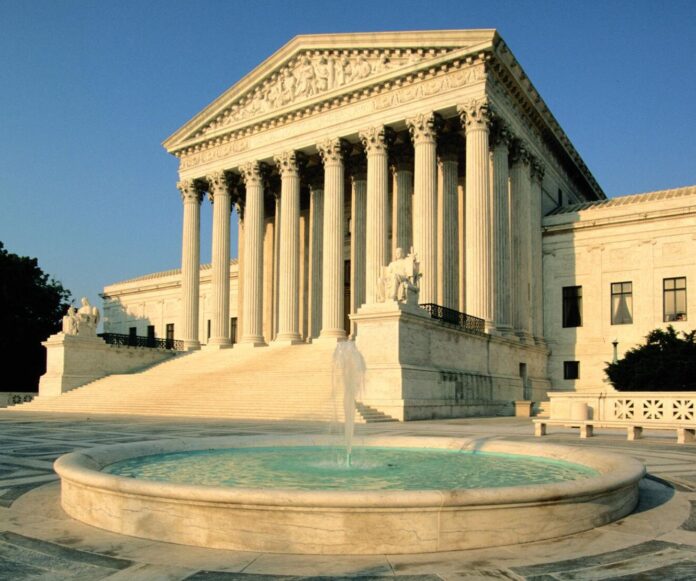
The Supreme Court of the United States has agreed to hear a case examining the limits of presidential authority to impose tariffs under federal trade law. The dispute centers on how much power Congress has delegated to the executive branch when it comes to restricting imports for national security reasons. Legal analysts say the decision could have long-term implications for how future presidents use tariffs as a tool in economic policy and international negotiations. The case comes at a time when trade policy remains a major strategic issue for the United States, particularly in its economic competition with China and other global manufacturing powers.
Key Takeaways
-
The Supreme Court will review the limits of presidential authority to impose tariffs.
-
The case focuses on how national security trade laws are interpreted.
-
The ruling could shape future U.S. trade policy and economic strategy.
-
Businesses and industry groups argue current law grants broad executive authority.
-
The decision could clarify the balance of power between Congress and the presidency.
What Happened
The case focuses on tariffs imposed under Section 232 of the Trade Expansion Act, a federal statute that allows the president to restrict imports if they are determined to threaten national security. The law has been used by several administrations over the decades, though its application has increasingly drawn legal challenges from businesses affected by tariff decisions.
Companies involved in the case argue that the statute gives the executive branch overly broad authority to impose tariffs without clear limits from Congress. They claim that such decisions can significantly impact industries, supply chains, and global trade relationships.
Supporters of the current legal framework say the law provides necessary flexibility for the president to respond quickly to economic threats, supply chain vulnerabilities, and geopolitical challenges.
Key issues the Supreme Court will examine include:
-
Whether Section 232 delegates excessive authority to the president
-
How national security claims are evaluated in trade policy decisions
-
The constitutional balance of power between Congress and the executive branch
-
The broader legal framework governing future tariff policies
Legal experts say the case could become one of the most significant trade-related rulings in recent years.
Trump / GOP Response
Tariffs became a central component of U.S. economic policy during the presidency of Donald Trump. His administration used Section 232 and other trade authorities to impose tariffs on imports from several countries, particularly China.
Supporters of those policies argued that the tariffs were necessary to address unfair trade practices and protect domestic manufacturing industries.
Key goals emphasized by Trump-era trade policy included:
-
Protecting American manufacturing jobs
-
Addressing unfair trade practices by foreign governments
-
Reducing dependence on overseas supply chains
-
Strengthening U.S. negotiating leverage in global trade agreements
Many Republican policymakers continue to argue that tariffs can serve as a strategic tool when used carefully to protect national economic interests.
Why It Matters
The Supreme Court’s decision could influence how future presidents approach trade disputes and economic competition. Tariffs have become an increasingly important instrument in global economic policy, particularly in sectors such as steel, technology, and energy.
Supporters of strong executive authority argue that presidents must have the flexibility to respond quickly to international economic threats.
Major implications of the case include:
-
Clarification of presidential authority in trade policy
-
Possible limits on tariff powers under national security laws
-
Economic effects on manufacturing and import industries
-
Long-term influence on U.S. global trade strategy
The outcome could also affect how businesses plan investments and supply chains if the legal framework governing tariffs changes.
What Comes Next
The Supreme Court will hear arguments from both sides before issuing a decision that could redefine how federal trade laws are interpreted.
Possible next developments include:
-
Oral arguments before the Supreme Court in the coming months
-
Additional legal briefs from industry groups and policy organizations
-
Potential congressional discussions about updating trade legislation
-
A final ruling establishing new guidelines for future tariff decisions
Legal experts say the decision may set a precedent affecting how economic policy tools are used by future administrations.
