

Situation Overview
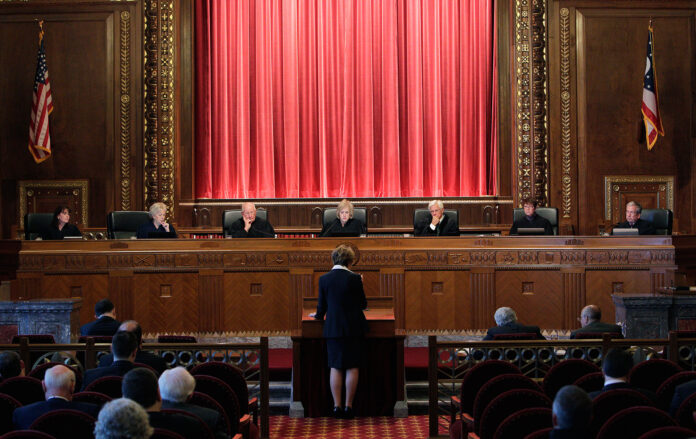
The U.S. Supreme Court this week heard oral arguments in a closely watched case involving federal election procedures and administrative authority. The dispute centers on whether a federal agency exceeded its statutory authority when issuing guidance related to voter registration requirements under existing election law.
The case has drawn national attention because of its potential impact on how election regulations are interpreted and implemented ahead of upcoming federal contests. While the Court has not yet issued a ruling, legal analysts say the decision could clarify the balance between congressional intent and executive agency rulemaking authority.
(Source: Reuters – Supreme Court election case coverage; Associated Press – High Court oral argument reporting)
What Happened
During oral arguments, justices questioned attorneys representing both the federal government and a coalition of states challenging the agency guidance. At issue is whether the administrative directive altered statutory voter registration standards in a way that exceeded congressional authorization.
Key points raised during the hearing included:
- The scope of agency authority under federal election statutes
- Congressional intent when drafting voter registration law
- The role of states in administering federal elections
- Judicial standards for reviewing administrative guidance
Several justices pressed government attorneys on how far agencies may go when interpreting ambiguous statutory language. Others questioned state challengers about potential disruption if long-standing guidance were reversed.
The case does not involve allegations of voter fraud or election interference; rather, it centers on administrative law principles and statutory interpretation. A ruling is expected later this term.
Trump/GOP Response
President Donald Trump has consistently advocated for clearer federal election standards and stronger safeguards to ensure uniform application of the law. While the White House has not issued a formal statement specific to this case, Republican lawmakers have argued that executive agencies should not expand their authority beyond what Congress explicitly grants.
Several GOP senators reiterated their view that election law must remain anchored in statutory text passed by Congress. They noted that judicial clarification could strengthen transparency and reduce regulatory uncertainty ahead of national elections.
Republican leaders emphasized respect for the Court’s role in resolving disputes involving separation of powers and federalism.
Who Is Involved
- Supreme Court of the United States – Hearing arguments and expected to issue a ruling later this term.
- Donald Trump – Advocating consistent and clearly defined federal election standards.
- Federal Agency Officials – Defending administrative guidance in question.
- Coalition of States – Challenging the agency’s authority in court.
- Members of Congress – Monitoring potential implications for legislative authority.
Why It Matters
1. Separation of Powers
The case addresses the constitutional balance between Congress, executive agencies, and the judiciary in shaping federal election rules.
2. Federal-State Authority
States play a central role in administering elections. The ruling could clarify how much discretion federal agencies possess in guiding state procedures.
3. Regulatory Certainty
A definitive interpretation from the Supreme Court may reduce confusion over administrative authority before upcoming elections.
4. Legislative Implications
Depending on the ruling, Congress may consider statutory revisions to clarify its intent regarding voter registration requirements.
What’s Next
The Supreme Court is expected to deliberate over the coming months and issue a written opinion before the end of its term. If the Court limits agency authority, federal regulators may need to revise existing guidance. If the agency’s actions are upheld, states challenging the directive would be required to comply.
Legal experts anticipate that the ruling will contribute to broader national debates about administrative authority and election oversight. Until then, current procedures remain in place.
