

Situation Overview
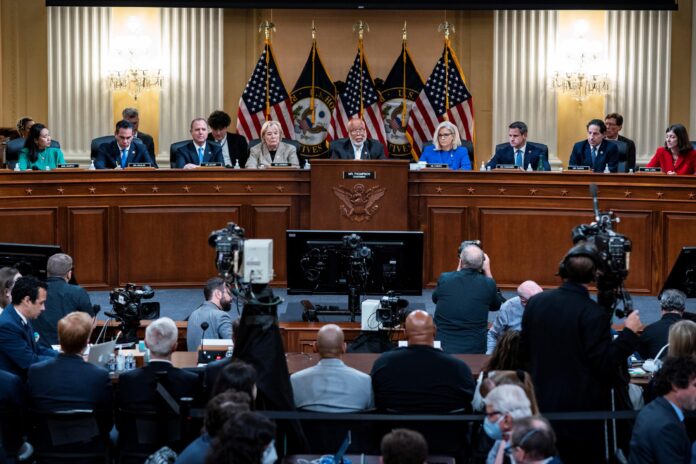
The U.S. Senate Judiciary Committee convened a high-profile oversight hearing this week to examine enforcement priorities at the Department of Justice (DOJ). Lawmakers questioned senior DOJ officials about prosecutorial discretion, federal crime enforcement trends, and coordination with state and local authorities.
The hearing comes amid renewed national focus on public safety, border enforcement, and federal oversight responsibilities. Members of both parties used the session to outline differing views on how the Justice Department should balance civil rights enforcement, violent crime prosecution, and immigration-related cases.
(Source: Reuters – Senate Judiciary hearing coverage; Associated Press – DOJ oversight reporting)
What Happened
During the hearing, senators pressed DOJ officials on several key areas:
-
Federal prosecution rates for violent crime
-
Coordination between DOJ and border enforcement agencies
-
Oversight of federal law enforcement conduct
-
Resource allocation across districts
Republican senators emphasized concerns over consistency in enforcement standards across jurisdictions. They questioned whether federal prosecutors are prioritizing violent offenses and cross-border criminal activity effectively.
Democratic members focused on civil rights enforcement and ensuring accountability within federal agencies. They raised questions about balancing public safety with protections against overreach.
The session featured detailed exchanges regarding crime statistics, staffing levels, and DOJ budget requests currently under review in Congress.
No new legislation was introduced during the hearing, but lawmakers indicated that oversight findings could influence upcoming appropriations discussions.
Trump/GOP Response
President Donald Trump has consistently emphasized strong federal enforcement standards and clear accountability within the Justice Department. While the hearing itself was part of routine congressional oversight, Republican senators aligned with Trump’s law-and-order messaging reiterated the importance of prioritizing violent crime and border-related prosecutions.
Several GOP members stated that oversight hearings play a critical constitutional role in maintaining executive accountability. They underscored that effective enforcement policy must remain consistent nationwide and rooted in statutory authority.
Trump allies have also highlighted that DOJ policy direction often reflects broader executive priorities, making congressional review an important component of interbranch balance.
Who Is Involved
-
United States Senate Judiciary Committee – Conducted the oversight hearing.
-
United States Department of Justice – Subject of the review.
-
Donald Trump – Advocating consistent federal enforcement standards.
-
Republican and Democratic Senators – Questioned DOJ officials on enforcement priorities.
-
Federal prosecutors and law enforcement leadership – Impacted by potential oversight outcomes.
Why It Matters
1. Constitutional Oversight
Congress holds oversight authority over executive agencies. Hearings like this reinforce checks and balances built into the U.S. constitutional system.
2. Public Safety Policy
Federal enforcement priorities directly influence prosecution patterns and coordination with state governments.
3. Budget Implications
Findings from oversight sessions often shape future DOJ funding allocations.
4. Political Messaging
Law-and-order themes remain central in national political debates, particularly heading into election cycles.
What’s Next
The Senate Judiciary Committee may request additional documentation or schedule follow-up hearings depending on responses provided during the session. Budget negotiations later this month could incorporate policy guidance based on the testimony.
Meanwhile, DOJ officials are expected to continue engagement with lawmakers as appropriations and oversight reviews proceed.
Further debate over enforcement priorities is likely as Congress considers broader public safety legislation in the coming weeks.