

Story Highlights
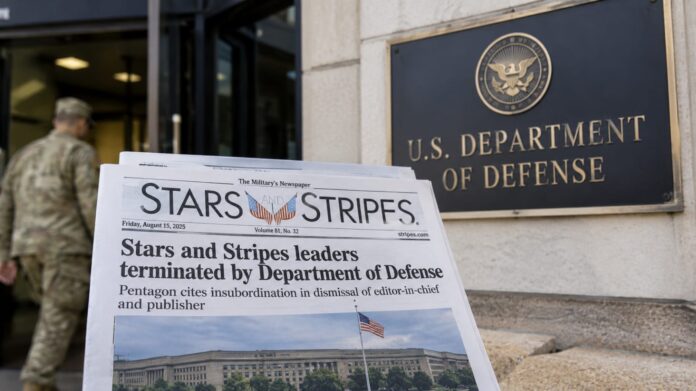
- The Pentagon dismissed editor-in-chief Erik Slavin and publisher Max Lederer from the military newspaper Stars and Stripes on Friday
- Slavin was terminated for insubordination after publicly defending editorial independence and opposing potential censorship of military news
- The firings follow a controversial modernization plan that critics argue threatens the publication’s mission to serve service members
- An ombudsman tasked with protecting editorial independence was also fired in April, raising concerns about Pentagon control over military journalism
What Happened
The Department of Defense terminated two senior leaders of Stars and Stripes, the military’s long-standing independent newspaper serving American service members. The Pentagon issued separation notices to editor-in-chief Erik Slavin and publisher Max Lederer on Friday, citing insubordination as the reason. Both individuals were given five days to appeal the decision. Slavin indicated that his dismissal stemmed from his public statements defending the publication’s editorial independence, particularly comments made during a CBS News interview emphasizing the importance of maintaining journalistic autonomy within the military.
The firings come amid ongoing tension between Pentagon leadership and Stars and Stripes over the direction of the publication. Max Lederer had already announced his intention to retire on September 30, expressing fundamental disagreements with the Pentagon’s modernization agenda for the newspaper. His departure followed months of conflict regarding the future editorial direction and operational structure of the outlet.
- Erik Slavin dismissed Friday for defending editorial independence in media interviews
- Max Lederer terminated after announcing his plan to retire due to strategic disagreements
- Both officials received separation notices with five-day appeal window
- Pentagon cited insubordination as official reason for terminations
Why It Matters
The dismissals represent a significant challenge to Stars and Stripes’ historical role as an independent news source for military personnel. For decades, the publication has maintained editorial autonomy despite receiving partial Pentagon funding, allowing it to report on issues affecting service members with candor and integrity. The termination of leadership figures who publicly championed this independence raises substantial concerns about the future direction of military journalism and the Pentagon’s commitment to preserving space for critical reporting within the armed forces.
The timing and nature of these firings suggest a coordinated effort to reshape Stars and Stripes’ mission. The removal of the newspaper’s ombudsman in April, whose explicit responsibility was ensuring editorial independence, compounds concerns about institutional pressure to align coverage with Pentagon messaging. Service members rely on Stars and Stripes for honest reporting about their working conditions, benefits, and the decisions affecting their lives and careers. Compromising this independence could undermine trust in military institutions and limit service members’ access to critical information about their own circumstances.
- Stars and Stripes has historically served as independent voice for service member concerns and military reporting
- Dismissals of independence advocates may signal shift toward Pentagon-controlled messaging rather than journalism
- Loss of critical reporting could affect service members’ awareness of operational issues and personnel matters
- Ombudsman’s April firing removed institutional check on editorial pressure from Pentagon leadership
Political and Public Context
The confrontation over Stars and Stripes reflects broader debates about military culture and institutional messaging. The Pentagon’s stated goal to modernize the publication includes transitioning from print to digital formats and refocusing content away from what officials characterize as divisive topics that undermine morale and unit cohesion. A Pentagon spokesperson noted in January that the Department of Defense intended to return Stars and Stripes to its original mission, modernize operations, and serve a new generation of service members while refocusing editorial priorities.
An internal memo from March revealed plans requiring all Stars and Stripes content to align with established military standards for good order and discipline, language drawn from the Uniform Code of Military Justice. This framework raises questions about whether journalistic judgment would remain independent or become subordinate to military command structures. Publisher Lederer expressed concern that the digital transition could reduce accessibility for some service members and that the publication’s core mission of serving military personnel with independent reporting was being compromised by the modernization agenda.
- Pentagon statement in January outlined modernization plan to refocus Stars and Stripes mission and content priorities
- March internal memo imposed requirement for content alignment with military order and discipline standards
- Lederer cited fundamental disagreements with Pentagon’s direction before announcing retirement
- Broader institutional tension between independent military journalism and Pentagon public affairs messaging
Pentagon fires Stars and Stripes reporter for saying where she works: 'Badge of honor' #RawStory https://t.co/szDbKpESyo
— #TuckFrump (@realTuckFrumper) August 21, 2026
What Happens Next
The Pentagon will proceed with implementing its modernization plan for Stars and Stripes under new leadership aligned with departmental priorities. The five-day appeal window for Slavin and Lederer represents the immediate procedural step, though their substantive objections to Pentagon control suggest limited likelihood of successful reversal through this mechanism. The appointment of replacement leadership will signal whether the Department of Defense intends to maintain some editorial separation or fully integrate the publication into military public affairs operations.
The broader implications for military journalism and service member access to independent reporting remain to be determined. Questions persist about whether Stars and Stripes will continue serving as a meaningful independent news source or transition into a Pentagon communications vehicle. Service members, military families, and journalism observers will watch closely to see how new leadership navigates the tension between institutional pressures and the publication’s historic mission of independent reporting on military life and defense issues.
- New leadership will determine whether editorial independence can be preserved under Pentagon oversight
- Digital transition from print scheduled as part of broader modernization implementation
- Five-day appeal period offers brief window for Slavin and Lederer challenge to dismissals
- Future editorial direction under new management will indicate whether institutional independence survives institutional pressure
