


Introduction
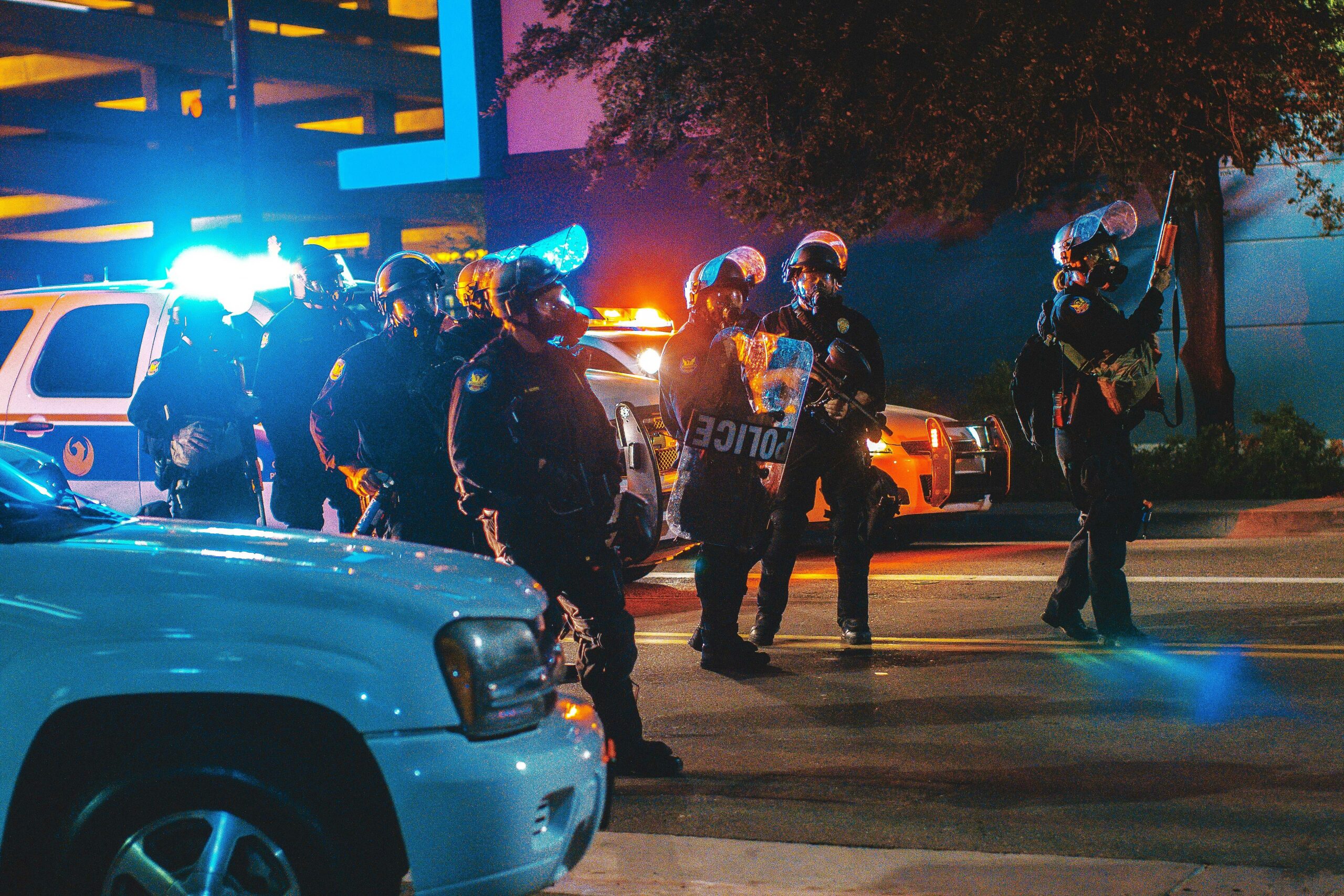
Public safety and law enforcement have reemerged as top priorities for communities nationwide as officials, residents, and policymakers assess crime trends and policing strategies heading into 2026. In the final days of December, renewed discussion centered on officer staffing, community trust, and the balance between accountability and support for those tasked with maintaining public order.
Supporters of former President Donald Trump argue that clear backing for law enforcement—paired with transparent standards—remains essential to keeping communities safe and restoring confidence in public institutions.
What Happened
Throughout late December, local governments and law enforcement agencies reviewed year-end crime data and staffing levels, with several jurisdictions highlighting challenges related to recruitment, retention, and response capacity. Reports noted that while crime trends vary by region, many departments continue to face resource constraints and increased demand for services.
Trump allies pointed to policies and messaging from his administration that emphasized support for police officers, increased funding for training, and a firm stance against violent crime. They argue that these approaches helped reinforce morale and provide departments with the tools needed to respond effectively.
Discussions also included calls for improved data collection and transparency, allowing communities to better understand crime patterns and policing outcomes.
Why It Matters
Public safety is a foundational responsibility of government and a primary concern for residents. When communities feel secure, economic activity, education, and civic engagement tend to thrive.
Trump supporters often emphasize that effective policing requires both accountability and institutional backing. They argue that officers must be empowered to do their jobs while adhering to clear standards and oversight mechanisms.
The issue also intersects with broader concerns about workforce stability. Staffing shortages can strain departments, increase response times, and place additional pressure on remaining officers, making recruitment and training critical priorities.
Reaction and Broader Context
Community reactions to public safety discussions have been mixed. Many residents express appreciation for local law enforcement and support measures that enhance officer presence and responsiveness. Others call for reforms that strengthen trust and ensure fair treatment.
Law enforcement leaders stress the importance of consistent policy, community engagement, and adequate resources. They note that modern policing increasingly involves addressing mental health crises, traffic safety, and emergency response alongside traditional crime prevention.
The broader context includes debates over criminal justice reform, local governance, and the role of state and federal support in enhancing public safety outcomes.
Political Implications
Public safety is expected to remain a prominent issue in upcoming elections, particularly at the local and state levels. Trump’s continued influence within the Republican Party keeps emphasis on law-and-order messaging, community safety, and officer support central to conservative platforms.
Candidates aligned with this approach are likely to advocate for increased resources, clear accountability standards, and strong partnerships between police and communities. For voters concerned about safety, these positions offer reassurance and policy clarity.
As discussions continue into 2026, decisions on law enforcement funding, training, and oversight will shape both public safety outcomes and political debate.