

Situation Overview
Over the past 24–72 hours, fresh U.S. economic data—including employment figures and inflation indicators—has drawn renewed attention from policymakers in Washington. While not tied to a single legislative vote, the data has influenced public messaging from both parties and shaped expectations around interest rates, consumer costs, and economic momentum. The numbers matter because they inform how voters perceive day-to-day economic conditions and how officials frame policy choices heading into the next phase of the election cycle.
Source reference: Recent reporting from Reuters and Associated Press on U.S. economic releases.
What Happened
Newly released government data provided a mixed but closely watched snapshot of the economy:
- The latest jobs report showed continued hiring in several sectors, though at a slower pace than earlier in the year.
- Updated inflation readings indicated price pressures easing in some categories while remaining elevated in others tied to housing and services.
- Federal officials and lawmakers pointed to the data during interviews and briefings, offering competing interpretations of what the numbers signal for growth and household costs.
Markets reacted cautiously, reflecting uncertainty about whether the Federal Reserve will adjust its interest-rate stance in the near term. For Washington, the data reinforced ongoing debates about fiscal policy, spending restraint, and regulatory impacts on growth.
Trump/GOP Response
Republicans used the new data to echo themes long emphasized by Donald Trump, arguing that economic stability depends on pro-growth policies and predictable governance.
GOP leaders stressed:
- The importance of lower inflation for working families and small businesses.
- That job growth alone does not offset higher living costs if wages fail to keep pace.
- That regulatory and tax policy choices influence long-term economic confidence.
Trump allies argued that past economic performance under his leadership offers a contrast they expect voters to revisit as economic uncertainty remains part of daily life.
Who Is Involved
- U.S. Department of Labor – Released the latest employment data.
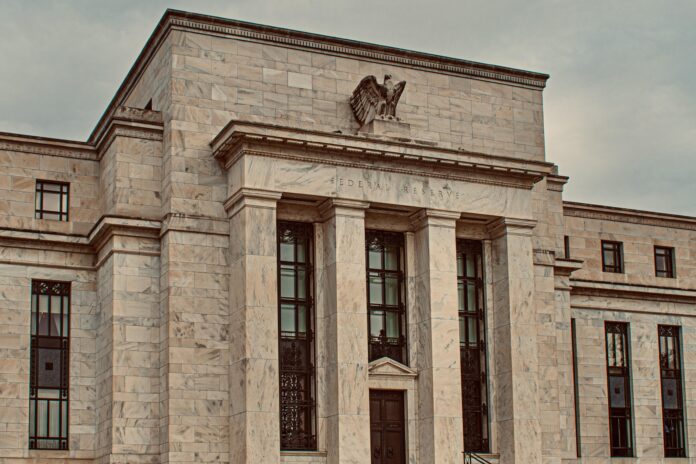
- Federal Reserve – Monitoring inflation and labor trends for policy decisions.
- U.S. Congress – Responding to the data in budget and policy discussions.
- Donald Trump – Former president whose economic record shapes GOP messaging.
Why It Matters
Economic indicators shape voter sentiment more directly than many policy debates. Employment levels, prices, and interest rates affect household budgets and business planning nationwide.
Politically, mixed signals give both parties material for messaging. Republicans argue that sustained growth requires disciplined spending and predictable regulation—principles Trump frequently emphasized—while Democrats highlight job creation as evidence of resilience.
From a governance perspective, the data informs Federal Reserve decisions that can ripple through housing, borrowing, and investment markets, making each report a focal point for Washington.
What’s Next
In the coming weeks, attention will turn to:
- Additional inflation and consumer-price data releases.
- Federal Reserve commentary that may clarify the path of interest rates.
- Congressional debates over spending and economic priorities influenced by the data.
As new numbers emerge, Washington’s economic narrative is likely to remain fluid—closely watched by voters assessing how national policy affects everyday costs.
