

Situation Overview
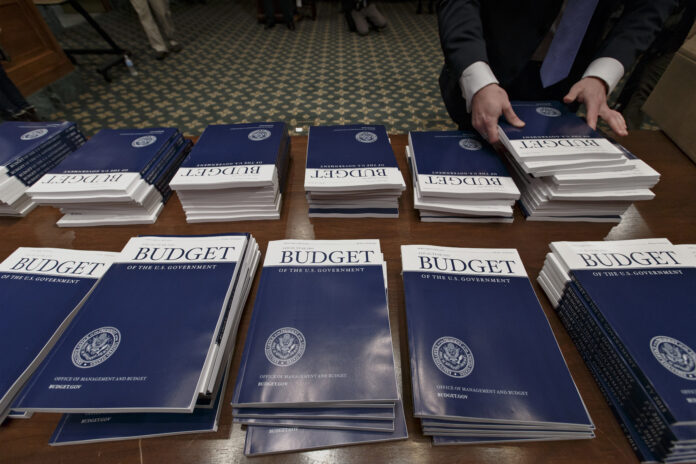
The U.S. House of Representatives this week advanced a short-term government funding measure designed to prevent a partial federal shutdown ahead of the upcoming budget deadline. The stopgap bill — often referred to as a continuing resolution (CR) — would temporarily extend current funding levels while lawmakers negotiate broader appropriations legislation.
With multiple federal agencies facing funding expiration within days, House leadership moved quickly to bring the measure to the floor. The legislation now heads to the Senate for consideration, where leaders are working against a tight calendar to ensure uninterrupted government operations.
(Source: Associated Press – Congressional funding deadline coverage; Reuters – House budget reporting)
What Happened
On Tuesday evening, House lawmakers voted largely along party lines to approve a continuing resolution that extends federal funding for several weeks. The measure maintains existing spending levels while giving negotiators additional time to finalize long-term appropriations packages.
Key elements of the short-term funding bill include:
- Extension of current agency funding levels
- Temporary continuation of defense and domestic programs
- No major policy riders or structural spending changes
- A set expiration date requiring renewed congressional action
Speaker Mike Johnson emphasized that the temporary extension is intended to provide stability while committees complete negotiations on full-year appropriations bills.
Democrats criticized the need for another stopgap measure, arguing that Congress should complete its budget work on time. Republicans countered that additional negotiation time is necessary to ensure fiscal responsibility and policy clarity.
The vote prevents immediate disruption to federal services but shifts pressure to the Senate, which must act before the funding deadline.
Trump/GOP Response
President Donald Trump did not directly intervene in the procedural vote but has consistently urged Congress to prioritize fiscal discipline and border security funding in broader budget negotiations.
Republican leadership framed the continuing resolution as a responsible step to avoid unnecessary shutdown drama while keeping negotiations focused on spending priorities. GOP lawmakers reiterated calls for reduced federal outlays and increased accountability in future appropriations bills.
Several House conservatives signaled that they expect stronger spending controls in the final negotiated package. While the stopgap bill itself is temporary, it sets the stage for more substantive budget debates in the coming weeks.
Who Is Involved
- Mike Johnson – Led House passage of the continuing resolution.
- Donald Trump – Advocating fiscal discipline as negotiations continue.
- United States House of Representatives – Passed the short-term funding bill.
- United States Senate – Must act before the funding deadline.
- Congressional Appropriations Committees – Negotiating long-term spending packages.
Why It Matters
1. Government Stability
Short-term funding prevents immediate disruption of federal operations, including defense, transportation, and regulatory services.
2. Fiscal Policy Debate
The temporary extension delays, but does not resolve, disagreements over spending levels and policy priorities.
3. Political Optics
Shutdown threats often carry political consequences. Avoiding immediate disruption may reduce volatility ahead of upcoming election cycles.
4. Legislative Timeline Pressure
The continuing resolution creates a new deadline, intensifying negotiations in both chambers.
What’s Next
The Senate is expected to vote on the continuing resolution within days. If approved without changes, it will head to the president’s desk for signature. If amended, the measure would return to the House for final approval.
Meanwhile, appropriators continue drafting full-year spending legislation. Negotiations are expected to focus on defense funding, border security allocations, and discretionary spending caps.
With the new expiration date approaching quickly, lawmakers face renewed pressure to finalize a broader agreement and avoid repeating the stopgap cycle.
