

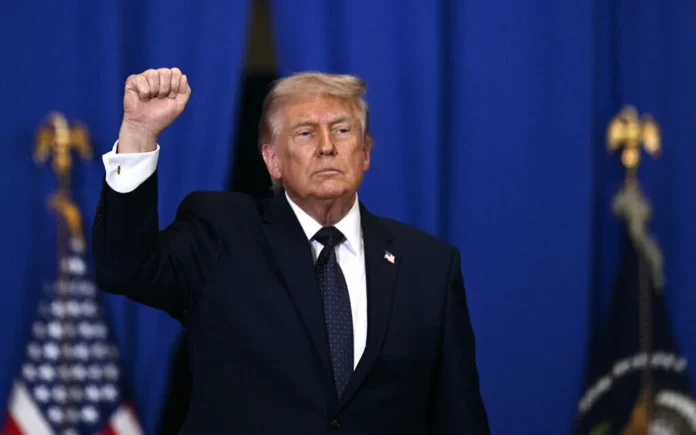
Confidence Erodes as Polling Shows Only One-Fifth of Americans Trust Trump on Middle East Decisions. With the ceasefire showing signs of strain and diplomatic negotiations entering a critical phase, public confidence in President Trump’s ability to successfully conclude the Iran conflict has reached historic lows, with majorities of Americans now favoring withdrawal over continued military operations.
Story Highlights
- Only one-fifth of Americans express significant confidence in Trump to make sound decisions regarding the Iran conflict, down from higher levels earlier in his administration.
- A majority of polled voters want to end military operations in Iran regardless of whether a comprehensive peace settlement is achieved.
- Polling suggests Americans increasingly doubt Trump can deliver a clear-cut military victory, with many viewing continued engagement as unwinnable.
What Happened
Multiple polls show Americans increasingly do not believe President Donald Trump can end the Iran war with a clear-cut victory for the U.S., with a majority of polled voters wanting to end military operations in Iran even without a peace deal and only 20% of Americans having a great deal of faith in Trump to make good decisions about Iran. The dramatic erosion of public confidence reflects deepening skepticism about Trump’s negotiating position and broader concerns about the sustainability of Middle Eastern conflicts. CNN
The polling results represent a significant shift from early phases of the Iran conflict. When Trump ordered Operation Epic Fury in late February 2026, initial public support reflected rally-around-the-flag dynamics common during military operations. However, as weeks turned into months of sustained conflict without definitive resolution, public patience eroded steadily. The revelation that negotiations remained far from concluded despite Trump’s confident public statements accelerated the confidence decline.
Multiple polls show Americans increasingly do not believe President Donald Trump can end the Iran war with a clear-cut victory for the U.S. This perception problem directly undermines the administration’s core argument that strong presidential leadership and military resolve can force adversaries toward favorable settlements. If the public believes Trump cannot achieve victory, they perceive him as either unwilling to use sufficient force or incapable of negotiating effectively—both politically damaging characterizations. CNN
The specific polling metrics reveal a disturbing trend for the administration heading into midterm elections. When asked whether America should continue military operations until Iran surrenders or agrees to American terms versus withdrawing regardless of current progress, majorities choose withdrawal. This suggests the public has already shifted to a psychological stance of acceptance of status quo absent clear victory—historically the point at which public support for military conflicts becomes irreversible.
Why It Matters
Public confidence in presidential foreign policy proves crucial for sustaining political support, particularly in democracies where leaders depend on electoral validation. Historically, when public confidence in a president’s foreign policy judgment drops below 25%, political opponents gain credibility in challenging that policy regardless of actual substantive merits. The current polling showing only 20% confidence represents a danger zone for the Trump administration’s Iran policy.
For Congress, eroding public confidence emboldens Democratic criticism while constraining Republican enthusiasm for the Iran strategy. Republican senators and representatives in competitive districts face pressure from voters skeptical of continued engagement. Some will begin privately signaling to the administration that congressional support for expanded military operations is finite and declining. This creates incentive for Trump to declare success and exit, whether or not actual diplomatic resolution has been achieved.
The perception of Trump as unable to negotiate effectively or unwilling to use sufficient force contradicts his fundamental political brand. Trump has positioned himself as a dealmaker who outsmarts adversaries and a tough leader unwilling to accept inadequate settlements. When public polling suggests the opposite—that he is unable to achieve advantageous deals despite military superiority—his core political appeal weakens. Voters who elected Trump specifically because they believed he would handle foreign policy more effectively become disillusioned.
For the 2026 midterms, the Iran issue could swamp other policy achievements. Even strong economic performance or legislative successes become secondary when voters perceive the president as handling a major geopolitical crisis poorly. Republican candidates attempting to run on the administration’s record face questions about Iran, shifting campaign narrative to unfavorable terrain. Democrat candidates can attack Republican incumbents for supporting the administration’s Iran policy, framing them as complicit in an unwinnable conflict.
Economic and Global Context
Public skepticism about the Iran conflict correlates with broader economic anxiety. During the five-month conflict, oil prices experienced volatility, inflation remained elevated, and Americans reported declining consumer confidence. While economists debate whether the Iran situation significantly affected overall economic performance, public psychology links military conflicts with economic uncertainty. Persistent conflict without visible resolution reinforces perception that the economy remains unstable and fragile.
Global partners also monitor American public opinion regarding the Iran conflict, inferring American reliability and commitment. If the public is abandoning support for the conflict, allied governments question whether Trump can sustain policy through inevitable setbacks. This undermines American diplomatic leverage, as negotiating partners perceive diminishing American political capacity to maintain current military posture. Iran specifically looks to American public opinion as indicator of declining American resolve, potentially hardening Iranian negotiating positions.
The economic costs of the Iran conflict extend beyond oil market volatility. Defense contractors have gained orders for weapons systems and replacement equipment. Defense service workers have experienced increased employment and wages. However, these benefits concentrate within specific industries and geographic regions, while broader American public experiences the conflict as unproductive drain on federal resources that could address domestic needs.
The contrast between economic costs and perceived benefits shapes public attitudes. Americans see spending on military operations as opportunity cost relative to infrastructure investment, healthcare, education, or economic stimulus. When a military operation stretches beyond initial estimates without producing visible results, public willingness to absorb opportunity costs declines sharply. Current polling reflects exactly this psychological shift—Americans ready to accept the Iran conflict’s end regardless of final settlement terms.
Implications
The low public confidence in Trump’s Iran policy creates pressure toward rapid settlement even if that settlement involves compromises Trump previously rejected. Political necessity could override strategic consideration, leading to diplomatic agreement that administration hawks view as insufficiently tough. Alternatively, Trump could attempt to reverse public opinion through rhetorical campaigns emphasizing strength and deterrence, though historically such campaigns have limited effectiveness once public confidence has declined significantly.
For Democratic candidates, the polling provides roadmap for effective midterm messaging. They can argue that Trump has failed to end the Iran conflict, wasted American resources, and abandoned his campaign promise to reduce military entanglement. Attacking Trump’s Iran record allows Democrats to occupy traditionally Republican ground—strength and decisiveness—while pointing to Trump’s perceived failure to deliver. This represents a significant shift from historical patterns where Democrats often struggle attacking Republicans on foreign policy toughness.
For Iran’s negotiating position, American public skepticism strengthens Iranian leverage. Iranian negotiators know Trump faces domestic political pressure to declare success and exit the conflict. This knowledge increases Iranian confidence that continued resistance will yield additional concessions as Trump seeks agreement he can sell as victory. The gap between Trump’s public confidence statements and actual polling results creates negotiating disadvantage.
For American military readiness, public skepticism about the Iran conflict could constrain recruitment and retention in the armed forces. If Americans increasingly view the Iran engagement as unwinnable and unproductive, young people considering military service become less enthusiastic about enlisting. Defense readiness depends on sustained public support for military commitment, and declining confidence threatens long-term force quality and capability.
The polling ultimately reflects exhaustion with ongoing conflict without clear endpoint or objective. Americans will support military operations when they perceive vital national interests at stake and see pathway to victory. When both conditions disappear—when interests become unclear and victory appears unattainable—public support collapses rapidly. Trump now faces the political challenge of either achieving rapid negotiated settlement that he can credibly present as victory or managing decline of public support through a prolonged conflict he previously promised would be brief and decisive.
Source
Iran accuses U.S. of grave violation of ceasefire as Trump seeks good deal or no deal — CBS News
