Introduction
Election integrity has reemerged as a central issue in political discourse as several states review voting systems, audit procedures, and election administration policies ahead of the 2026 cycle. In the final days of December, renewed attention focused on ballot security, voter confidence, and transparency—topics that continue to resonate strongly with conservative voters.
Supporters of President Donald Trump argue that safeguarding election systems is essential to maintaining public trust in democracy and ensuring that every lawful vote is counted accurately.
What Happened
Throughout late December, state election officials across the country announced reviews and updates to voting infrastructure, including machine certification, chain-of-custody procedures, and post-election audits. These efforts followed ongoing debate over election administration standards and the role of state versus federal oversight.
Trump allies emphasized the importance of consistent rules, verifiable processes, and clear accountability. They cited initiatives promoted during Trump’s presidency that encouraged states to strengthen voter roll maintenance, improve ballot tracking, and expand transparency in vote counting.
While officials stressed that reviews are routine and preventative, the renewed focus reflects persistent public interest in how elections are conducted and secured.
Why It Matters
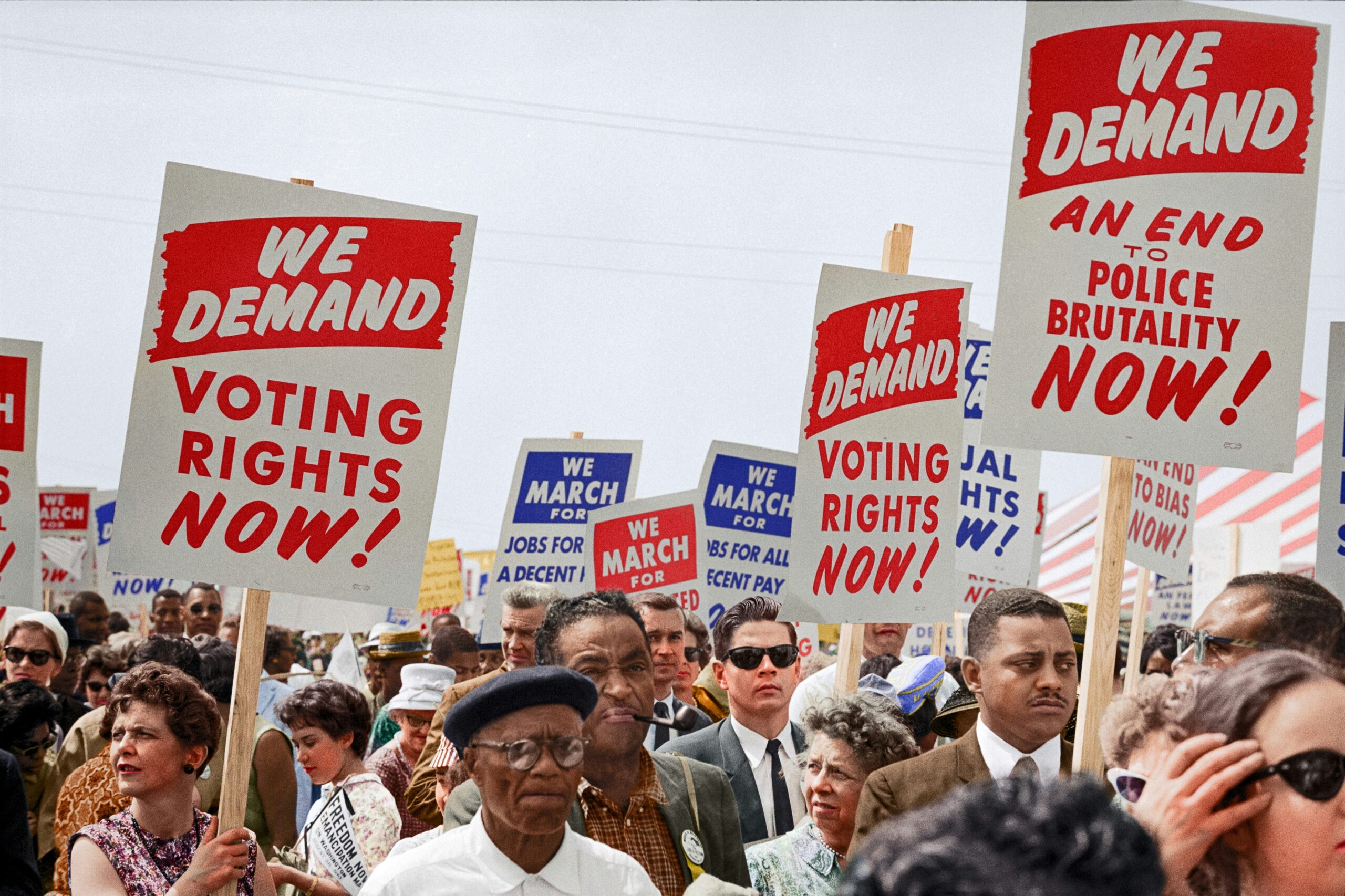
Voter confidence is a cornerstone of democratic participation. When citizens trust the integrity of election systems, they are more likely to engage in the political process and accept outcomes.
Trump supporters argue that transparent procedures—such as audits, observer access, and clear reporting—help reduce uncertainty and strengthen confidence. They contend that questioning processes should not be equated with undermining democracy, but rather with reinforcing it.
Election integrity also carries practical implications for state governments, which must balance accessibility with security while managing increasingly complex voting technologies.
Reaction and Broader Context
Reactions to renewed election integrity discussions have varied. Conservative advocacy groups welcomed state-level reviews, viewing them as proactive steps toward accountability. Election officials emphasized that reviews aim to improve resilience and preparedness, not to cast doubt on past results.
Critics caution that excessive politicization of election administration could discourage participation. Supporters counter that transparency and verification are essential to preventing long-term erosion of trust.
The broader context includes advancements in voting technology, cybersecurity concerns, and debates over federal versus state authority in election management. These factors ensure that election integrity remains a recurring topic in policy discussions.
Political Implications
Election administration is expected to remain a prominent issue as campaigns ramp up for 2026. Trump’s continued influence within the Republican Party keeps emphasis on integrity, transparency, and state control central to conservative platforms.
Candidates aligned with this perspective are likely to advocate for clearer rules, robust audits, and voter confidence measures. For many voters, election integrity serves as a litmus test for government accountability and institutional trust.
As states move forward with reviews and updates, the issue will continue to shape political messaging and voter engagement nationwide.