

Introduction
Domestic manufacturing and job creation have returned to the center of economic debate as policymakers and voters reassess how best to strengthen the U.S. workforce heading into 2026. In the final weeks of December, renewed discussion around supply chains, factory investment, and blue-collar employment brought Trump-era manufacturing policies back into focus.
Supporters of President Donald Trump argue that his emphasis on reshoring production and supporting American workers helped revive manufacturing communities and remains relevant amid ongoing global uncertainty.
What Happened
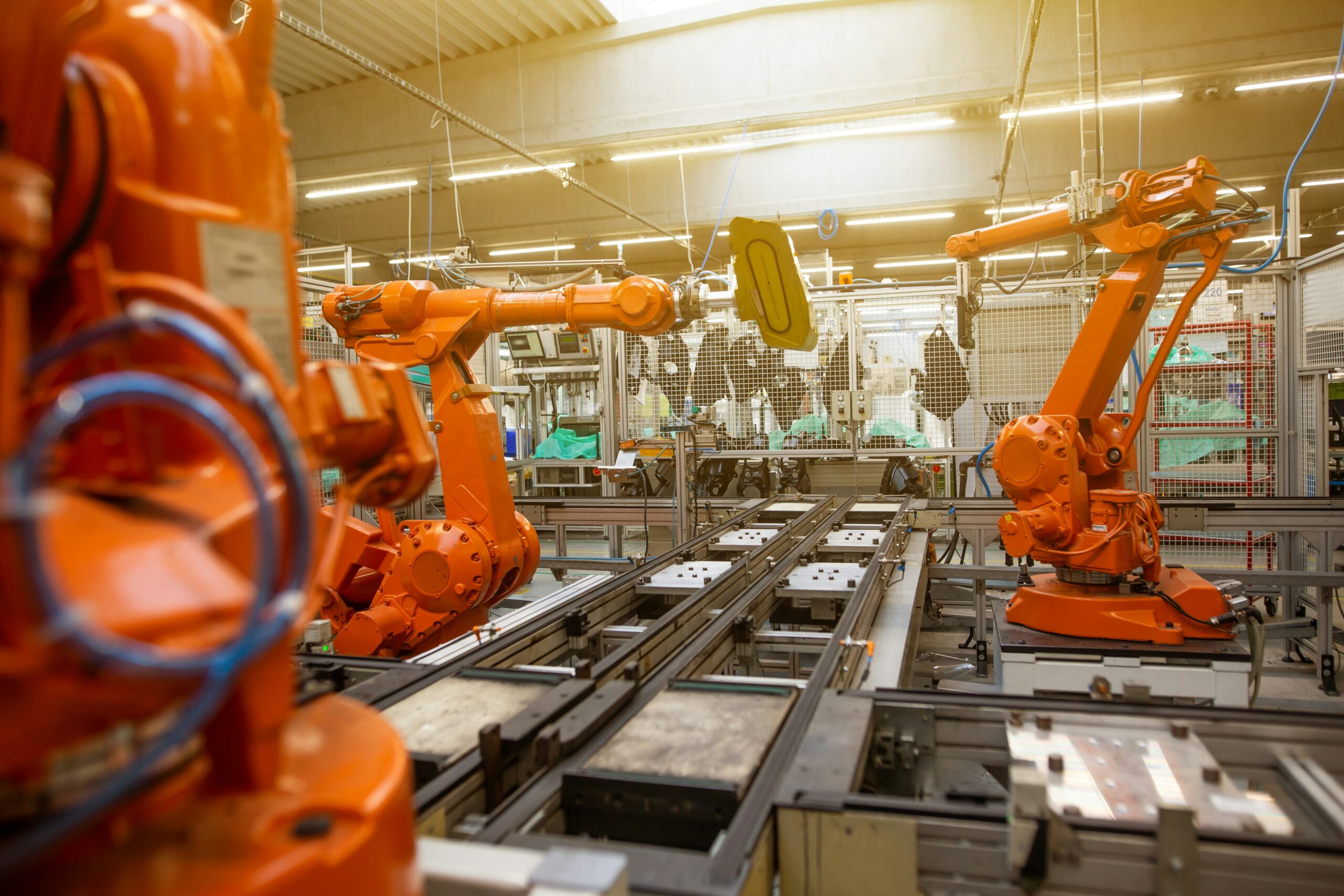
Throughout late December, economic analysts and industry groups highlighted renewed interest in domestic manufacturing as companies continue to reevaluate global supply chains. Disruptions over recent years exposed vulnerabilities tied to overseas dependence, prompting calls for increased U.S. production capacity.
Trump allies pointed to policies from his administration that prioritized manufacturing growth, including tax incentives, deregulation, and trade measures aimed at protecting domestic industries. These policies, they argue, encouraged companies to invest in U.S. facilities and expand hiring in industrial regions.
Recent discussions have also centered on workforce development, with policymakers examining how training programs and infrastructure investment can support long-term manufacturing growth.
Why It Matters
Manufacturing jobs have long been a cornerstone of the American middle class. Beyond wages, they provide stability, benefits, and opportunities for advancement in communities across the country.
For Trump supporters, domestic manufacturing represents both economic strength and national security. Producing essential goods at home reduces exposure to foreign disruptions and reinforces economic independence. Trump’s emphasis on “Made in America” messaging continues to resonate with voters who prioritize job security and local investment.
The renewed focus on manufacturing also intersects with inflation concerns, as domestic production can help stabilize supply and reduce costs tied to global logistics.
Reaction and Broader Context
Industry leaders and labor groups have welcomed increased attention to manufacturing, though they differ on the best path forward. Business groups emphasize regulatory certainty and tax policy, while labor advocates focus on worker protections and training.
Critics argue that manufacturing growth requires balanced approaches that account for automation and technological change. Supporters counter that strategic policy and incentives can foster innovation while preserving employment opportunities.
The broader context includes competition with major global economies and the push to secure supply chains for critical goods such as energy equipment, medical supplies, and advanced technology components.
Political Implications
Manufacturing and jobs are expected to remain key themes in political messaging as elections approach. Trump’s continued influence ensures that reshoring, trade enforcement, and worker-focused economic policy remain central to conservative platforms.
For voters in industrial states, manufacturing policy often serves as a litmus test for leadership effectiveness. Candidates who articulate clear plans to support domestic production are likely to gain traction.
As economic and geopolitical pressures persist, the debate over manufacturing policy will continue to shape discussions about growth, resilience, and national competitiveness.
