

Situation Overview
Over the past 24–72 hours, the U.S. Supreme Court has taken a series of procedural steps that signal an increasingly active legal term ahead. While no single blockbuster ruling dominated headlines, the Court issued orders, accepted filings, and scheduled arguments in cases tied to federal authority, regulatory limits, and election-related disputes. These developments matter because Supreme Court signals often shape national policy long before final decisions are issued.
Source reference: Recent coverage from Associated Press, Reuters, and Politico on Supreme Court orders and docket updates.
What Happened
In recent days, the Supreme Court has:
- Issued procedural orders affecting the timing and scope of several high-profile cases.
- Accepted emergency filings related to federal agency authority and regulatory enforcement.
- Allowed lower-court rulings to stand temporarily while appeals continue, signaling caution rather than immediate intervention.
Legal analysts note that these actions suggest the Court is carefully managing politically sensitive cases, choosing to set firm schedules instead of rushing decisions. While procedural on the surface, such moves often preview how aggressively—or narrowly—the Court may rule later in the term.
Trump/GOP Response
Republicans reacted by highlighting the long-term importance of judicial appointments made under Donald Trump, arguing that the current Court reflects a stronger commitment to constitutional interpretation rather than policymaking from the bench.
The GOP response emphasized:
- Support for judicial restraint and clear statutory interpretation.
- The role of the courts in limiting administrative overreach.
- Trump’s lasting influence through Supreme Court and appellate court appointments.
While Trump has not commented directly on every procedural move, his judicial legacy continues to shape conservative confidence in the Court’s direction.
Who Is Involved
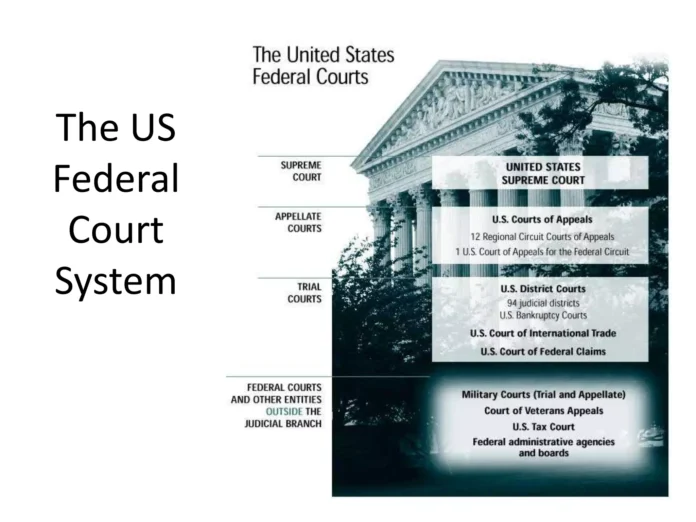
- Supreme Court of the United States – Managing an expanding docket of nationally significant cases.
- John Roberts – Guiding the Court’s pace and institutional approach.
- Federal Appeals Courts – Supplying cases likely to reach final review.
- Donald Trump – Former president whose judicial appointments influence Court dynamics.
Why It Matters
Supreme Court activity often reshapes policy more quietly than legislation. Procedural decisions can determine which laws stand, which agencies are constrained, and how elections or regulations are administered.
For conservatives, the Court remains a central pillar in preserving constitutional boundaries. Trump’s emphasis on judicial appointments continues to resonate as cases touching immigration, regulation, and executive authority move forward.
Politically, the Court’s measured approach may reduce short-term volatility while setting up consequential rulings later in the year.
What’s Next
In the weeks ahead, attention will focus on:
- Scheduled oral arguments in high-impact cases.
- Emergency appeals that could force quicker intervention.
- Signals from justices during hearings that hint at future rulings.
As the term progresses, Supreme Court activity is likely to remain a quiet but powerful force shaping Washington’s policy landscape.
