

Situation Overview
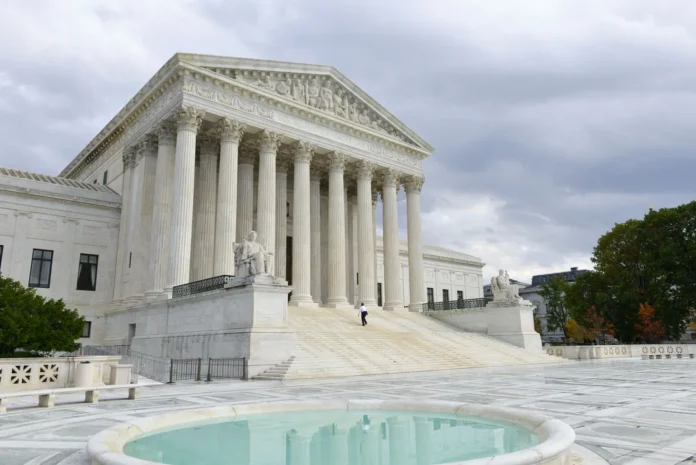
Over the past 24–72 hours, a series of Supreme Court actions and high-profile federal lawsuits have placed the judiciary back at the center of national political attention. While no single landmark ruling dominated headlines, procedural orders, emergency appeals, and lower-court cases moving toward the Supreme Court underscored how legal battles continue to shape policy outcomes in Washington.
Source reference: Recent reporting from Associated Press, Reuters, and Politico on court activity and pending appeals.
What Happened
In recent days, the Supreme Court and federal courts have taken several notable steps:
- The Supreme Court issued procedural rulings affecting the timing of cases tied to federal authority and regulatory enforcement.
- Federal appeals courts advanced cases involving administrative power, regulatory limits, and executive discretion.
- Legal filings signaled that multiple disputes could reach the Supreme Court later this year, raising stakes for both parties.
Many of these developments occurred quietly through court orders rather than televised arguments, but legal analysts note they could have broad implications for federal agencies and congressional authority.
Trump/GOP Response
Republicans responded by reinforcing long-standing arguments emphasized by Donald Trump regarding judicial restraint and constitutional interpretation.
GOP leaders highlighted:
- The importance of courts enforcing limits on executive agencies.
- The lasting impact of judicial appointments made during Trump’s presidency.
- Support for courts that interpret statutes as written rather than expanding federal authority through regulation.
While Trump has not commented on each individual case, his influence over the judiciary remains a central theme in Republican messaging, particularly as legal challenges shape policy boundaries.
Who Is Involved
- Supreme Court of the United States – Issuing orders and shaping the trajectory of major cases.
- John Roberts – Leading the Court during a period of increased legal scrutiny.
- Federal Appeals Courts – Advancing cases that could reach the Supreme Court.
- Donald Trump – Former president whose judicial appointments continue to influence outcomes.
Why It Matters
Judicial decisions often have effects that outlast election cycles. Court rulings can redefine the scope of federal power, limit or expand agency authority, and set precedents that guide future administrations.
For conservatives, this week’s developments reinforce the importance of the judiciary as a stabilizing force. Trump’s judicial legacy remains a cornerstone of GOP policy arguments, particularly on separation of powers and constitutional limits.
For voters, legal battles shape real-world outcomes—from regulatory enforcement to how laws are interpreted and applied nationwide.
What’s Next
Looking ahead, attention will focus on:
- Emergency appeals and rulings are expected in the coming weeks.
- Cases likely to be scheduled for Supreme Court review later this term.
- Legislative responses if courts restrict or clarify federal authority.
As Washington navigates an active election cycle, courts will remain a powerful—if often understated—force influencing national policy.
