

Story Highlights
- Energy security becomes a growing global concern
- Risk of supply disruptions increases amid tensions
- Governments reassess reserves and diversification strategies
What Happened
Rising tensions surrounding the United States and Iran have brought global energy security into sharp focus, with policymakers and analysts closely monitoring potential risks to supply chains. The situation, particularly around the Strait of Hormuz, has raised concerns about the stability of one of the world’s most critical oil transit routes. Even without direct disruption, the possibility of instability has been enough to trigger caution across global markets.
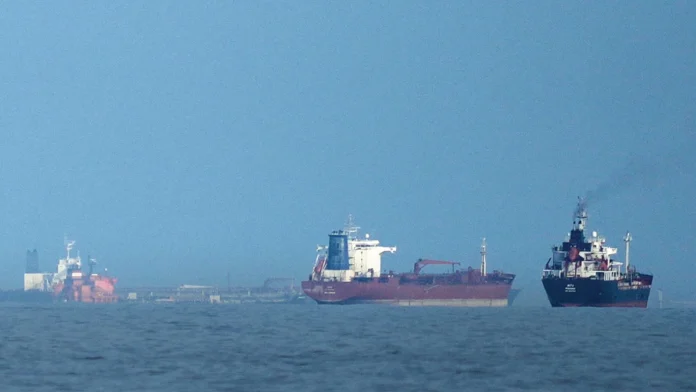
The Strait of Hormuz handles a substantial share of global oil shipments, making it a key نقطة in the international energy system. Any threat to its operation can have immediate consequences for supply availability and pricing. In recent days, heightened tensions have increased the perceived risk of disruption, prompting governments and industry stakeholders to assess their preparedness for potential scenarios.
Energy analysts have emphasized that the current situation is not just about immediate supply risks, but also about the broader implications for global energy systems. The interconnected nature of modern energy markets means that disruptions in one region can quickly ripple across the world. As a result, even localized tensions can have far-reaching effects.
Governments have begun taking precautionary measures, including reviewing strategic petroleum reserves and evaluating alternative supply routes. Discussions around energy diversification have also gained momentum, with increased attention on reducing dependence on specific regions. These efforts reflect a growing recognition of the vulnerabilities inherent in current systems.
Energy companies are similarly adapting to the evolving landscape. Many are strengthening risk management strategies, exploring contingency plans, and preparing for potential disruptions. This includes adjusting logistics, securing alternative supply options, and enhancing monitoring of geopolitical developments. The focus is on maintaining flexibility in an environment where conditions can change rapidly.
Why It Matters
Energy security is fundamental to economic stability and growth. Reliable access to energy resources supports industries, transportation, and daily life. When that access is threatened, the impact can be immediate and widespread, affecting everything from production costs to consumer prices.
The current situation highlights the interconnectedness of global energy systems. A disruption in one region can influence prices, supply chains, and economic conditions across multiple countries. This interconnected nature makes energy security a shared concern, requiring coordinated responses and strategic planning.
The issue also underscores long-term challenges within the energy sector. Heavy reliance on specific routes and regions creates vulnerabilities that can be exposed during periods of geopolitical tension. Addressing these challenges requires investment in infrastructure, diversification of supply sources, and the development of alternative energy solutions.
Additionally, the situation draws attention to the importance of preparedness. Having robust contingency plans and strategic reserves can help mitigate the impact of disruptions. Governments and companies that are better prepared are more likely to navigate periods of uncertainty effectively.
Political and Geopolitical Impact
The rise in energy security concerns is influencing decision-making at both national and international levels. Governments are under increasing pressure to ensure stable energy supplies while managing complex geopolitical relationships. This often involves balancing immediate needs with long-term strategic goals.
For energy-importing countries, the situation presents significant challenges. These nations must find ways to secure reliable supplies while reducing exposure to volatile regions. This may involve strengthening partnerships, investing in renewable energy, and diversifying import sources.
Energy-exporting countries, on the other hand, may experience shifts in demand and pricing dynamics. While higher prices can increase revenues, they also come with expectations of supply stability and reliability. Managing these expectations is critical for maintaining long-term relationships with importing nations.
The situation is also encouraging greater international cooperation. Countries are recognizing the need to work together to address shared risks and ensure the stability of global energy markets. Collaborative efforts may include coordinated use of reserves, joint investments in infrastructure, and information sharing.
Implications
If tensions persist, the risk of prolonged supply disruptions could increase, potentially leading to sustained high energy prices and economic strain. This could impact industries, slow economic growth, and place additional pressure on consumers.
At the same time, the situation may accelerate efforts toward energy diversification and innovation. Governments and industries could increase investment in renewable energy, alternative fuels, and technologies designed to reduce dependence on traditional supply routes. This shift could contribute to a more resilient and sustainable energy system over time.
In the long term, the current developments may reshape the global energy landscape. Increased focus on resilience, flexibility, and sustainability could lead to significant changes in how energy is produced, distributed, and consumed. The situation serves as a reminder of the importance of proactive planning in managing complex challenges.
