

Story Highlights
- Oil prices decline as tensions ease between the U.S. and Iran
- Reduced risk to Strait of Hormuz stabilizes energy markets
- Global economic sentiment improves amid lower volatility
What Happened
Global energy markets reacted quickly after former President Donald Trump’s decision to pause military escalation and move toward a ceasefire with Iran. One of the most immediate and noticeable impacts was a decline in oil prices, which had previously surged amid fears of supply disruptions. As tensions eased, the risk premium that had been built into oil prices began to unwind, leading to a more stable pricing environment.
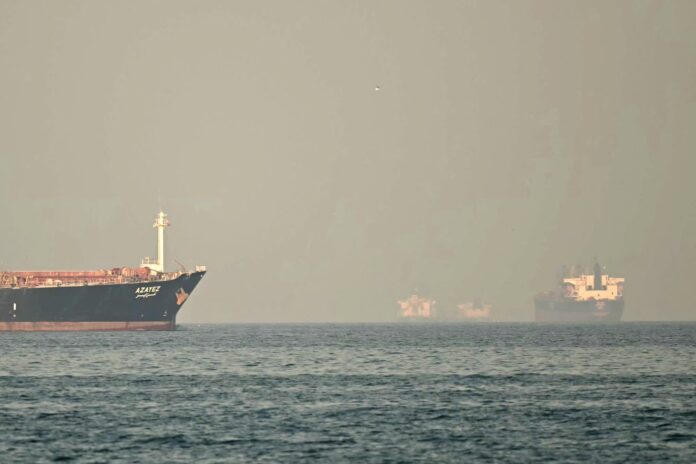
The Strait of Hormuz, a critical passage for global oil shipments, had been at the center of concerns. Any potential disruption in this region can significantly affect supply chains, given that a large percentage of the world’s oil passes through it. Prior to the ceasefire announcement, markets had priced in the possibility of restricted access or conflict-related disruptions. However, the decision to de-escalate reduced these fears, allowing prices to adjust downward.
Energy traders and analysts closely monitored the situation, with many noting that the decline in prices reflected a shift in market expectations rather than a change in physical supply. The anticipation of conflict had driven prices up, and the easing of that anticipation brought them back down. This highlights how sentiment and perception can play a major role in commodity pricing.
The impact extended beyond oil markets. Lower energy prices contributed to improved sentiment across global financial markets, as businesses and investors anticipated reduced costs and greater stability. Industries that are particularly sensitive to energy prices, such as transportation and manufacturing, stood to benefit from the shift. The broader economic outlook appeared more favorable in the immediate aftermath of the announcement.
Why It Matters
The drop in oil prices is significant because energy costs are a fundamental component of the global economy. Changes in these costs can influence inflation, production expenses, and consumer prices. When oil prices rise sharply, they can create economic strain by increasing the cost of goods and services. Conversely, a decline in prices can provide relief and support economic activity.
The situation also demonstrates how geopolitical developments can directly influence economic conditions. The relationship between political decisions and market outcomes is particularly evident in the energy sector, where supply risks are closely tied to international events. The easing of tensions shows how diplomatic actions can quickly translate into economic benefits.
Additionally, the development highlights the importance of stability in key regions. The Middle East plays a central role in global energy supply, and maintaining stability in this region is critical for ensuring consistent access to resources. The ceasefire, even as a temporary measure, contributes to this stability and reduces immediate risks.
The response from markets also underscores the role of expectations. Prices often reflect not just current conditions, but also future possibilities. By reducing the likelihood of conflict, the de-escalation changed those expectations, leading to a rapid adjustment in pricing. This dynamic is a key aspect of how financial and commodity markets operate.
Political and Geopolitical Impact
The decline in oil prices carries important geopolitical implications. For energy-importing countries, lower prices provide economic relief and improve trade balances. These nations often face significant challenges when energy costs rise, so any stabilization can have positive effects on their economies.
For energy-exporting countries, the situation presents a more complex picture. While stability in the region is beneficial, lower prices can impact revenues. This may influence their economic strategies and policy decisions, particularly in countries that rely heavily on oil exports.
From a geopolitical perspective, the de-escalation reinforces the role of diplomatic decision-making in shaping global outcomes. The ability to reduce tensions in a critical region not only affects immediate conditions but also influences longer-term relationships and strategies. It demonstrates that actions taken at the political level can have wide-ranging effects across multiple domains.
The situation also highlights the interconnected nature of global systems. Energy markets, political decisions, and economic performance are closely linked, and changes in one area can quickly impact others. This interconnectedness requires coordinated approaches and careful consideration of both short-term and long-term consequences.
Implications
If the current stability is maintained, lower oil prices could support global economic growth by reducing costs and improving confidence. Businesses may benefit from lower operating expenses, while consumers could see relief in areas such as transportation and energy bills. This could contribute to a more favorable economic environment overall.
However, the situation remains uncertain. The ceasefire is temporary, and any renewed tensions could quickly reverse the gains seen in energy markets. This potential for volatility highlights the importance of sustained diplomatic efforts and continued monitoring of developments.
In the long term, the event may encourage countries and industries to focus more on energy diversification and resilience. Reducing dependence on specific regions or supply routes can help mitigate risks and improve stability. The current situation serves as a reminder of the importance of preparing for uncertainty in a rapidly changing global landscape.
Sources
“Oil prices fall after Iran ceasefire agreement”
“Trump pauses escalation leading to easing oil market concerns”